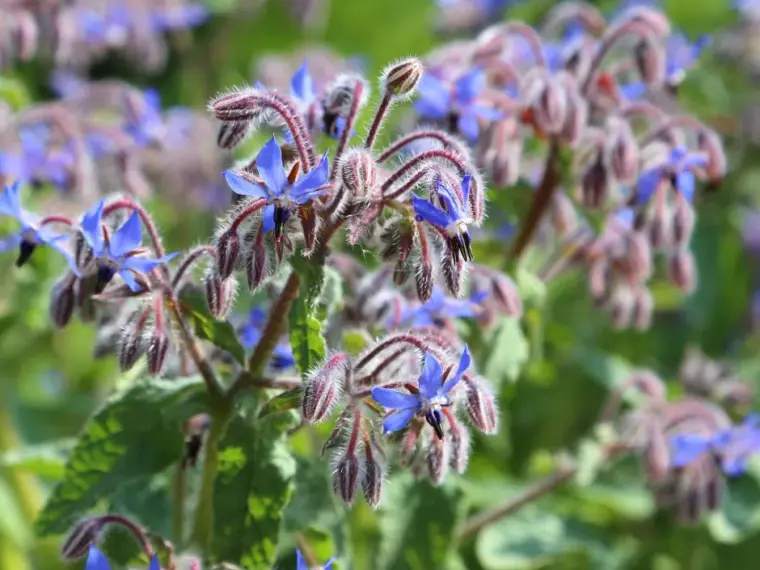
If you’ve ever walked past a garden brimming with vivid blue, star-shaped flowers, you may have encountered borage – an ancient herb with modern-day appeal.
Often overlooked in favor of better-known culinary herbs like basil or rosemary, borage (Borago officinalis) is a true garden gem that combines beauty, versatility, and powerful healing properties in one low-maintenance plant.
This robust herb has been cultivated for centuries, valued by herbalists, cooks, and gardeners for its nutrient-rich leaves, edible flowers, and medicinal seed oil.
Whether you’re looking to attract pollinators, nourish your soil, or explore natural remedies, borage offers an impressive list of benefits.
In this in-depth article, we’ll explore why you should grow borage, how to care for it, its nutritional and medicinal uses, and over a dozen creative ways to incorporate borage into your kitchen, garden, and wellness routine.
What Is Borage?
Borage is a fast-growing, self-seeding annual herb native to the Mediterranean but now naturalized throughout Europe and North America.
It’s easily recognizable by its fuzzy leaves and vivid blue star-shaped flowers – though pink and white varieties also exist.
The plant can grow up to 3 feet tall and thrives in sunny spots with well-drained soil. Once established, borage tends to self-sow generously, meaning it can return each year without replanting.
Top Benefits of Growing Borage
1. Attracts Pollinators and Beneficial Insects
Borage is a pollinator powerhouse. Bees, especially bumblebees, adore its nectar-rich blooms, which replenish faster than most other flowers.
Butterflies, hoverflies, and even predatory insects like ladybugs and lacewings (natural pest controllers) are also drawn to its flowers.
By planting borage, you:
- Increase pollination of nearby crops like tomatoes, strawberries, squash, and peppers.
- Attract beneficial predators that keep pests like aphids and caterpillars in check.
2. A Natural Companion Plant
Borage is a fantastic companion plant in vegetable gardens. It’s said to:
- Improve the flavor and growth of nearby strawberries and tomatoes.
- Repel pests like tomato hornworms and cabbage worms.
- Create a natural mulch as it decomposes, enriching the soil with trace minerals.
Plant borage between rows of vegetables or near your fruit crops to help them thrive.
3. Improves Soil Health
Borage is a dynamic accumulator, which means it pulls nutrients – especially calcium, potassium, and silica – from deep within the soil and brings them to the surface.
When the plant dies back or is used as green mulch, these nutrients are made available to other plants.
Chop and drop borage leaves mid-season or at the end of the growing season to recycle nutrients back into the garden.
4. It’s Beautiful and Ornamental
With its eye-catching blue flowers, borage adds both aesthetic and functional value to flower beds and borders.
Its foliage creates a full, bushy structure, and its bright blooms add charm to any pollinator or herb garden.
5. Highly Edible: Leaves, Flowers, and Stems
Every aerial part of the borage plant is edible.
- Leaves taste faintly of cucumber and are often added to salads, soups, and green drinks.
- Flowers are sweet and mild – perfect for garnishing desserts, freezing into ice cubes, or adding to herbal teas.
- Stems can be used like celery in soups and stews.
6. A Traditional Medicinal Herb
Borage has been used medicinally for centuries. Ancient texts describe its use for:
- Lifting the spirits (it was once called “herb of gladness”)
- Supporting adrenal function
- Treating respiratory inflammation
- Reducing swelling and joint pain
The leaves and flowers contain mucilage, which soothes irritated tissues, while borage oil (from the seeds) is rich in gamma-linolenic acid (GLA) – a powerful anti-inflammatory compound.
7. Seed Oil for Hormonal Balance and Inflammation
Borage oil is one of the richest plant sources of GLA, an omega-6 fatty acid that supports:
- Hormonal balance (especially in PMS and menopause)
- Skin health (eczema, acne, dryness)
- Rheumatoid arthritis and joint pain
- Cardiovascular and metabolic health
Borage oil is available in capsules and is often used as a natural remedy for skin and hormonal conditions.
How to Grow Borage
Planting:
- When to plant: After the last frost in spring.
- How to plant: Sow seeds directly in the ground, 1/4 inch deep.
- Spacing: 12–18 inches apart; borage grows large and needs room.
Growing Conditions:
- Light: Full sun preferred; tolerates light shade.
- Soil: Tolerant of poor soils but thrives in well-drained, compost-rich soil.
- Watering: Moderate; water during dry spells but avoid overwatering.
- Maintenance: Minimal. Deadhead spent flowers to encourage more blooms or allow to go to seed to naturalize.
Pro Tip:
Borage self-seeds vigorously. If you want to control its spread, cut back flowers before seeds develop or grow it in containers.
Culinary Uses of Borage
1. Borage Leaves
Young leaves are best eaten raw; older leaves can be tough and hairy.
Use in: Green salads (finely chopped), Cucumber or yogurt dips, Herbal teas, Green juices or smoothies, Chilled soups like gazpacho
2. Borage Flowers
Beautiful and edible, the flowers can be used: As a garnish on cakes, cupcakes, and pastries, Frozen into decorative ice cubes for cocktails or lemonade, Sprinkled into salads, Infused into honey or vinegar, Steeped in tea blends
3. Borage-Infused Oil or Vinegar
Place fresh flowers in olive oil or vinegar and allow to infuse for 1–2 weeks.
Use for salad dressings or to drizzle over roasted vegetables.
Medicinal and Herbal Uses
1. Herbal Tea for Stress Relief
Borage tea has a calming effect and has historically been used for:
- Nervous exhaustion
- Mild depression
- Adrenal fatigue
To make: Steep 1–2 teaspoons of dried or fresh leaves and/or flowers in hot water for 10–15 minutes.
2. Poultices for Swollen Joints
Mash fresh leaves and apply to inflamed joints, bruises, or swellings to reduce pain and inflammation.
3. Skin-Soothing Wash
Borage leaf infusion can be used as a natural skin wash to relieve rashes, itching, or sunburn.
4. Hormonal and Skin Support (with Borage Oil)
Take certified, pyrrolizidine alkaloid-free borage oil supplements to support:
- Hormonal balance
- Menstrual discomfort
- Dry skin or eczema
- Joint inflammation
Companion Planting: Who Does Borage Help?
Borage is one of the best all-around companion plants in organic gardens. It improves the growth, resilience, or pollination of:
- Tomatoes (repels hornworms)
- Strawberries (improves flavor)
- Cabbage family crops (deters caterpillars)
- Squash and zucchini (boosts pollination)
- Fruit trees and vines (attracts beneficial pollinators)
Its decomposing foliage enriches the soil for root crops like carrots and beets.
Safety Considerations and Warnings
- Borage contains pyrrolizidine alkaloids (PAs), which in high amounts or long-term use may harm the liver.
- Occasional culinary use of leaves and flowers is considered safe, but avoid excessive internal use, especially of roots or large quantities of leaves.
- Pregnant and breastfeeding women should avoid internal borage remedies unless directed by a healthcare provider.
- Always choose PA-free borage oil supplements certified for safety.
How to Harvest and Preserve Borage
- Leaves: Pick young, tender leaves early in the day.
- Flowers: Harvest as they open. They wilt quickly, so use fresh or dry immediately.
- Seeds: Let some plants go to seed in late summer if you want to collect them.
Preservation Methods:
- Drying: Hang leaves and flowers upside down in a dry, dark area.
- Freezing: Freeze flowers in ice cubes or freeze leaves in small containers of water or oil for later use in soups.
- Infusion: Make herbal oils, vinegars, or honey infusions for culinary or medicinal uses.
Borage is more than just a beautiful flower – it’s a dynamic and multifunctional plant that supports your garden’s ecosystem, your kitchen creations, and your wellness journey.
From improving soil health to supporting pollinators and soothing your skin and nerves, borage offers an incredible return on a small investment of space and time.
With its edible leaves and blossoms, healing herbal power, and ability to enhance the performance of other plants, it’s no wonder that herbalists and permaculture gardeners alike consider borage a cornerstone of holistic gardening.