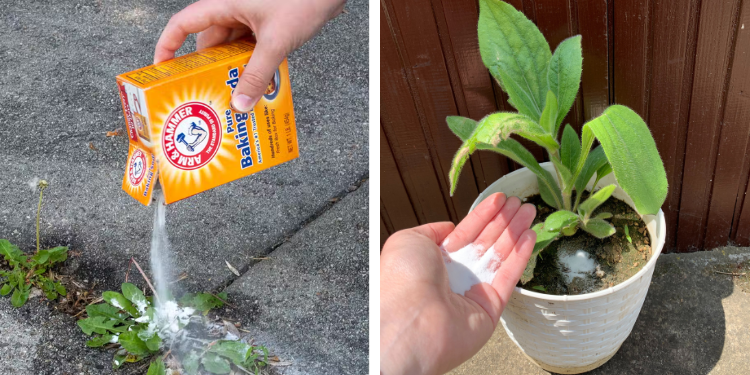
When it comes to natural, budget-friendly solutions for a thriving garden, baking soda is one of the most powerful and underrated tools you can use.
This humble kitchen staple – known scientifically as sodium bicarbonate (NaHCO₃) – is more than just a baking ingredient or a household cleaner.
It’s a versatile gardening ally that can improve plant health, control pests and diseases, balance soil pH, and even boost blooms and yields – all without resorting to harsh chemicals.
What Exactly Is Baking Soda (and Why Does It Work)?
Baking soda is a naturally occurring alkaline compound (sodium bicarbonate) with a pH of around 8.3.
This slight alkalinity is what makes it so effective in the garden. It neutralizes acidic environments, disrupts the growth of fungi and bacteria, and acts as a gentle abrasive and cleanser – all while remaining non-toxic to humans, pets, pollinators, and most plants.
When dissolved in water or mixed with other natural ingredients, baking soda can:
- Change surface pH on leaves, making them inhospitable to fungi.
- Deter certain pests like aphids, slugs, and ants.
- Clean produce and soil surfaces of contaminants.
- Neutralize acidic soils (when used carefully).
- Stimulate blooming in flowering plants.
- Reduce plant stress caused by diseases or poor soil conditions.
However, because of its alkalinity, baking soda should always be used with precision – overuse can raise soil pH too much or harm plants sensitive to salt buildup.
Why Gardeners Love Baking Soda: Key Benefits
Before we dive into how and where to use it, let’s look at why baking soda deserves a permanent spot in your gardening toolkit:
1. Natural Fungicide
Fungal diseases like powdery mildew, black spot, leaf mold, and blight thrive in acidic conditions. Baking soda alters the pH on plant surfaces, making it harder for fungi to survive and spread.
2. Eco-Friendly Pest Control
Baking soda disrupts the waxy coating of many soft-bodied pests (like aphids, spider mites, and whiteflies), discouraging infestations without harming beneficial insects like bees or ladybugs.
3. Soil pH Regulator
In gardens with overly acidic soil, baking soda can gently raise the pH, making nutrients more available and supporting better plant growth.
4. Improved Flower and Fruit Production
By reducing fungal stress and improving nutrient uptake, baking soda helps plants focus their energy on flowering and fruiting.
5. Safe and Non-Toxic
Unlike synthetic chemicals, baking soda is biodegradable, non-toxic, and pet-safe, making it an excellent choice for organic gardeners and pollinator-friendly gardens.
6. Budget-Friendly and Readily Available
One of the most appealing benefits is cost – a single box of baking soda costs just a few cents but offers dozens of garden uses.
Plants That Thrive with Baking Soda
While most plants can benefit from baking soda in some way, certain types respond particularly well to it – especially those prone to fungal diseases or those that prefer slightly alkaline conditions.
Here’s a breakdown of plants that love baking soda:
1. Tomatoes (Solanum lycopersicum)
Tomatoes are notorious for fungal issues like early blight and powdery mildew. Baking soda sprays help protect foliage and reduce disease pressure, leading to healthier plants and higher yields.
How to use:
- Mix 1 tablespoon of baking soda, 1 teaspoon of mild liquid soap, and 1 gallon of water.
- Spray on leaves every 7–10 days, especially after rain.
2. Cucumbers and Squash (Cucurbits)
These plants are highly susceptible to powdery mildew and leaf spot diseases. Baking soda’s alkalinity disrupts fungal growth and slows disease progression.
How to use:
- Use the same spray as above but add 1 teaspoon of vegetable oil to help the solution stick to the leaves.
- Apply early in the morning or late in the afternoon to prevent leaf burn.
3. Roses (Rosa spp.)
Roses often suffer from black spot and powdery mildew, especially in humid climates. Baking soda helps prevent and manage these common diseases without damaging delicate petals.
How to use:
- Mix 1 tablespoon baking soda, 1 teaspoon liquid soap, and 1 gallon of water.
- Spray every 1–2 weeks throughout the growing season.
4. Grapes (Vitis vinifera)
Grapevines are prone to fungal diseases like downy mildew and powdery mildew, which can devastate yields. Baking soda sprays create an inhospitable environment for these pathogens.
How to use: Use a foliar spray of 1 tablespoon baking soda per gallon of water during early growth and repeat monthly.
5. Zinnias, Dahlias, and Other Ornamentals
Flowering plants that suffer from mildew or fungal spots benefit greatly from regular baking soda treatments, which keep their foliage clean and vibrant.
How to use: Spray leaves at the first sign of fungal problems. Reapply every 10 days.
6. Strawberries and Berries
Berries are prone to fungal infections like gray mold and leaf spot. A light baking soda spray reduces disease pressure and protects developing fruit.
How to use: Mix 1 tablespoon baking soda and 1 teaspoon horticultural oil with 1 gallon of water. Spray during early flowering and fruit set.
7. Peppers and Eggplants
These warm-weather crops benefit from baking soda applications to prevent fungal infections and maintain robust growth.
How to use: Use a diluted spray (1 teaspoon baking soda per gallon of water) every two weeks to keep leaves healthy.
How to Use Baking Soda in the Garden: Practical Applications
Now that we know which plants love baking soda, let’s explore its most powerful garden uses – from disease control to soil management and pest defense.
1. Fungal Disease Prevention and Treatment
Why it works: Fungi thrive in slightly acidic conditions. Baking soda raises the surface pH on leaves, inhibiting fungal spore germination and growth.
How to make a basic fungicide spray:
- 1 tablespoon baking soda
- 1 teaspoon mild liquid soap
- 1 gallon of water
Directions:
- Shake well and spray on the tops and undersides of leaves.
- Apply weekly during humid weather or after heavy rain.
- Always test on a small area first to ensure no leaf burn.
Best for: Powdery mildew, black spot, leaf spot, rust, blight.
2. Natural Pest Repellent
Baking soda isn’t a strong insecticide, but it can deter many soft-bodied pests and disrupt their life cycles.
DIY pest spray recipe:
- 1 tablespoon baking soda
- 1 teaspoon dish soap
- 1 quart of water
How to use:
- Spray infested plants weekly until pests disappear.
- Works especially well against aphids, whiteflies, spider mites, and caterpillars.
3. Soil pH Adjustment (Use with Caution)
If your soil is too acidic (pH below 6.0), baking soda can gently raise the pH over time. However, this should be done carefully and sparingly to avoid over-alkalizing the soil.
How to test and adjust:
- Test your soil with a pH meter or test kit.
- If pH is below 6.0, sprinkle 1–2 tablespoons of baking soda per square meter and water it in deeply.
- Re-test after 4 weeks before reapplying.
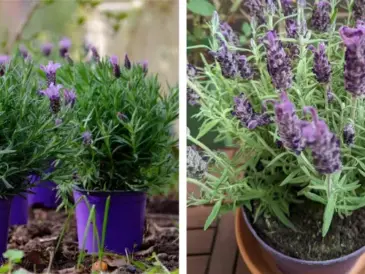
Best for: Plants that prefer slightly alkaline soil, like lavender, rosemary, cabbage, beets, and asparagus.
4. Boosting Flowering Plants
Baking soda can subtly stimulate blooming in some flowering plants by reducing fungal stress and improving nutrient uptake.
How to use:
- Dissolve 1 teaspoon of baking soda in 1 gallon of water.
- Water flowering plants once a month during the blooming season.
Best for: Geraniums, begonias, hydrangeas, petunias.
5. Sweeter Tomatoes and Fruits
Some gardeners swear by baking soda to sweeten tomatoes and fruits by lowering soil acidity around the root zone.
How to use:
- Sprinkle 1 tablespoon of baking soda around the base of tomato plants and gently work it into the soil. Water deeply.
- Repeat once a month during the growing season.
Result: Reduced acidity in the fruit and improved sweetness.
6. Cleaning Leaves and Improving Photosynthesis
Dusty or dirty leaves block sunlight and reduce photosynthesis. A mild baking soda solution can gently clean foliage and improve light absorption.
How to use:
- Mix ½ teaspoon baking soda in 1 quart of water.
- Wipe leaves with a soft cloth or spray and rinse gently.
7. Weed Control for Cracks and Pathways
While baking soda is too harsh for garden beds, it works well as a natural weed killer for patios, driveways, and paths.
How to use:
- Sprinkle baking soda directly into cracks where weeds grow.
- Repeat every few weeks.
Caution: Do not use directly in garden soil – it can harm desirable plants.
8. Compost Odor Neutralizer
If your compost pile smells sour or rotten, it may be too acidic. Baking soda neutralizes the pH and eliminates unpleasant odors.
How to use:
- Sprinkle 1–2 tablespoons into the compost bin every few weeks.
- Avoid overuse, as too much alkalinity can slow decomposition.
9. Ant and Slug Deterrent
Baking soda can deter ants and repel slugs when sprinkled strategically around plants.
How to use:
- Mix equal parts baking soda and sugar and place in shallow lids near ant trails. Ants carry it back to the colony, where it disrupts their digestive systems.
- Sprinkle a thin line around garden beds to repel slugs and snails.
Common Mistakes to Avoid When Using Baking Soda
While baking soda is a safe and natural option, improper use can harm plants or soil health.
Here’s what to avoid:
- Overuse: Too much baking soda can increase soil salinity and harm plant roots.
- Using on Acid-Loving Plants: Avoid using it near blueberries, azaleas, rhododendrons, or hydrangeas that prefer acidic soil.
- Spraying in Hot Sun: Always apply sprays early in the morning or late afternoon to prevent leaf burn.
- Skipping Patch Tests: Test any spray on a small area first to ensure no adverse reaction.
Frequently Asked Questions
1. Can baking soda harm plants?
Only if overused. Always dilute it in water and avoid excessive applications.
2. How often should I apply baking soda sprays?
Every 7–14 days during the growing season or at the first sign of fungal issues.
3. Can I mix baking soda with other natural remedies?
Yes! It works well with neem oil, vinegar (in separate applications), horticultural oil, and dish soap for enhanced effectiveness.
Must-Try Baking Soda Garden Mixes
All-Purpose Fungicide Spray
- 1 tbsp baking soda
- 1 tsp liquid soap
- 1 gallon water
Use weekly on vegetables, roses, and ornamentals.
Antifungal Root Drench
- 2 tsp baking soda
- 1 gallon water
Use as a soil drench for tomatoes, peppers, or cucurbits showing signs of root rot or fungal wilt.
Bloom Booster Water
- 1 tsp baking soda
- 1 tbsp Epsom salt
- 1 gallon water
Water flowering plants monthly to boost blooms and nutrient uptake.

Baking soda might seem humble – just a white powder sitting in your kitchen pantry – but in the garden, it’s nothing short of a game-changer.