Salt gargles have been a staple in home remedies for sore throats and oral hygiene for generations. Yet, despite their long-standing reputation, many people are not reaping the full benefits of this simple practice because they might be doing it incorrectly. Whether it’s due to misinformation or a lack of understanding, improper usage can lead to inefficacy or even discomfort.
In this article, we’ll explore the common mistakes made when using salt gargles and provide clear guidance on how to do it right. From the ideal water temperature to the benefits of the practice, you’ll learn everything you need to ensure your salt gargles are as effective as possible.
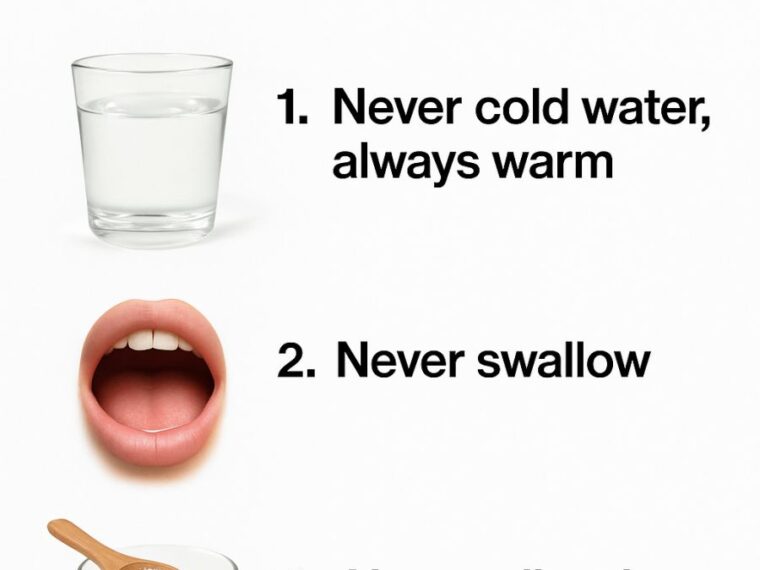
1. The Importance of Using Warm Water
One of the most common errors in preparing a salt gargle solution is using water that’s too cold or too hot. Warm water is essential because it helps dissolve the salt more effectively, ensuring that the solution is uniform and soothing. Ideally, the water should be at a temperature between 100°F and 110°F. This range is comfortable for gargling and maximizes the benefits.
Warm water also helps soothe an irritated throat by increasing blood flow, which can aid in faster healing. Cold water, on the other hand, can cause constriction and may not be as effective in dissolving the salt, reducing the overall efficacy of the gargle.
2. Avoid Swallowing the Gargle Mixture
It’s crucial to remember that a salt gargle is meant to be spit out, not swallowed. Swallowing the saltwater solution can lead to an excessive intake of sodium, which isn’t healthy. A typical salt gargle solution might contain about a teaspoon of salt per 8 ounces of water, translating to around 2,300 milligrams of sodium if consumed — nearly the recommended daily intake.
To avoid swallowing the mixture, tilt your head back slightly and gargle for about 30 seconds before spitting it out. This practice helps ensure that the solution covers the throat area effectively without the risk of ingestion.
3. Ensuring Salt is Fully Dissolved
A common oversight is not ensuring that the salt is fully dissolved in the water. Undissolved salt can lead to an uneven solution and might cause irritation or discomfort during gargling. To avoid this, stir the salt into the warm water thoroughly until you no longer see granules. If necessary, let the solution sit for a minute and stir again.
Using fine-grain salt, such as table salt, can help with dissolving more quickly than coarse sea salt. This ensures that the gargle is smooth and effective in soothing the throat.
4. Limit Usage to Prevent Irritation
While salt gargles can be beneficial, overuse can lead to irritation of the mucous membranes in the mouth and throat. It’s generally safe to gargle with salt water two to three times a day. More frequent use can dry out the tissues and exacerbate irritation rather than alleviate it.
For those with sensitive skin or mucous membranes, consider starting with a less concentrated solution, such as half a teaspoon of salt per 8 ounces of water, and observe how your throat responds before increasing frequency or concentration.
5. Understanding the Benefits of Salt Gargles
Salt gargles are known for their ability to soothe sore throats, reduce inflammation, and aid in the removal of bacteria and mucus. The hypertonic saline solution helps draw out fluids from the throat tissues, which can reduce swelling and make it easier to expel phlegm.
Additionally, salt has natural antiseptic properties, which can help reduce the bacterial load in the throat, potentially preventing minor infections from worsening. This makes salt gargles not only a remedial action but also a preventative measure against throat infections.
6. The Correct Salt-to-Water Ratio
Achieving the correct salt-to-water ratio is critical for an effective gargle solution. The most commonly recommended ratio is one teaspoon of salt per 8 ounces (240 ml) of warm water. This concentration is both effective in soothing the throat and safe for most people when not swallowed.
Adjustments can be made based on personal comfort and sensitivity. For children or those with a lower tolerance, starting with half a teaspoon of salt might be more appropriate. Always ensure that the salt is fully dissolved to prevent irritation.
7. Timing Your Gargles: When and How Often
For optimal benefits, it’s best to gargle with salt water after meals and before going to bed. This timing helps clear any food particles and bacteria that could contribute to throat irritation or infection.
During times of illness, such as a cold or sore throat, increasing the frequency to two or three times a day can help accelerate healing. However, maintaining the practice even when not ill can contribute to overall oral hygiene and throat health.
8. Common Mistakes People Make
One of the most frequent mistakes is using too much salt, assuming it will enhance the effectiveness. However, a solution that is too concentrated can lead to irritation. Another mistake is not gargling long enough; a quick swish won’t provide the full benefits. Aim for at least 30 seconds per gargle.
Additionally, some people might use the solution for other purposes, such as rinsing nasal passages without proper guidance, which can be harmful. Always use salt gargles as intended, for the throat, and follow best practices for safety.
9. How Salt Gargles Work Scientifically
Salt gargles work through the process of osmosis. The hypertonic nature of the saline solution draws excess fluid from swollen tissues in the throat, reducing inflammation and discomfort. This osmotic action also helps thin mucus, making it easier to expel and clearing the throat of potential irritants.
Moreover, the saline environment is inhospitable to many types of bacteria, reducing their ability to multiply and cause infection. Combined, these effects make salt gargles a scientifically backed method for managing throat irritation and promoting oral health.
10. Viral Hacks: What Works and What Doesn’t
Viral hacks often suggest adding other ingredients like vinegar or honey to salt gargles. While honey can soothe the throat and has antimicrobial properties, adding vinegar is not recommended as it can alter the pH balance and potentially cause irritation.
It’s important to be discerning about such hacks. Sticking to a simple salt water solution is often the most effective and safest approach. If you wish to incorporate other ingredients, ensure they are safe and consult with a healthcare professional if unsure.
11. Alternative Ingredients to Enhance Effectiveness
For those looking to boost the effectiveness of their salt gargles, consider adding a teaspoon of honey to the solution. Honey not only soothes the throat but also adds antibacterial properties. Another option is to include a pinch of baking soda, which can help neutralize acids and provide additional soothing effects
However, it’s important to keep the base formula intact — warm water and salt. Any additions should be carefully measured and used in moderation to avoid altering the primary benefits of the salt gargle.