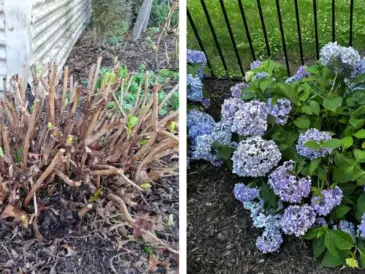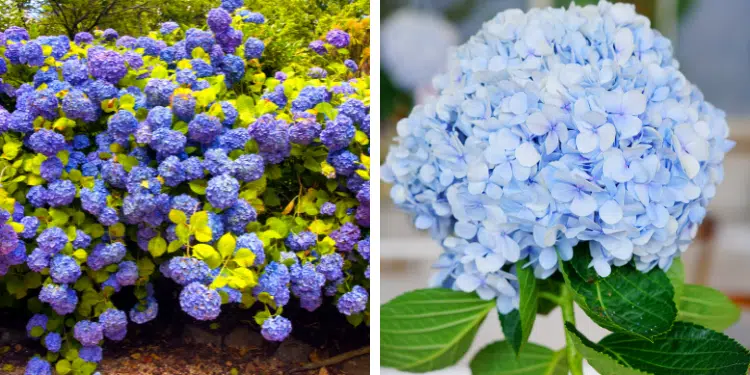
Hydrangeas are among the most beloved flowering shrubs, known for their large, colorful blooms that brighten gardens from early summer through fall.
But if you’ve ever been disappointed by fewer blooms one year, the culprit is often what happens the previous fall.
September is a critical month for hydrangea care. As summer fades and temperatures begin to cool, the way you prepare your hydrangeas now will directly influence their health and the abundance of their flowers next spring and summer.
Understanding Hydrangea Blooming Habits
Before diving into September tasks, it’s essential to know that not all hydrangeas bloom the same way.
Mistakes usually happen when gardeners treat all hydrangeas alike.
Major Types of Hydrangeas
Bigleaf Hydrangea (Hydrangea macrophylla)
- Includes mophead and lacecap varieties.
- Most bloom on old wood (stems formed the previous year). Some newer cultivars are “reblooming” and also flower on new wood.
Oakleaf Hydrangea (Hydrangea quercifolia)
- Native to the southeastern U.S.
- Blooms on old wood.
Panicle Hydrangea (Hydrangea paniculata)
- Cone-shaped flower clusters.
- Blooms on new wood (current year’s growth).
Smooth Hydrangea (Hydrangea arborescens)
- Includes the popular ‘Annabelle’.
- Blooms on new wood.
Why This Matters in September
Old-wood bloomers (bigleaf, oakleaf): Their buds for next spring are forming right now. Cutting or stressing them in September can destroy next year’s flowers.
New-wood bloomers (panicle, smooth): They’ll set buds next year, so September prep focuses more on strengthening the plant for winter survival.
Knowing which type you have is the foundation for all the steps below.
Why September Care Is So Important
Hydrangeas are perennials, but they behave differently from many shrubs. By September:
- Old-wood varieties are developing buds for next year’s blooms.
- All hydrangeas are preparing to enter dormancy and need strong roots and energy reserves.
- Weather shifts (cool nights, reduced daylight) begin the plant’s transition from growth to rest.
Neglecting care in September often leads to:
- Fewer or no blooms next spring.
- Weak or winter-damaged plants.
- Stunted growth and fewer flower clusters.
By focusing on the right September care, you essentially “lock in” next spring’s success.
Step-by-Step September Hydrangea Care
1. Evaluate the Plant
- Inspect for signs of disease, such as powdery mildew, leaf spot, or rust.
- Check for pests like aphids, spider mites, or scale.
- Look at overall shape: Is the plant crowded? Does it have dead or crossing stems?
This evaluation helps you decide what pruning, cleaning, or treatment is needed.
2. Pruning in September
This is the trickiest part because pruning mistakes are the number one reason hydrangeas fail to bloom.
For Old-Wood Bloomers (Bigleaf and Oakleaf):
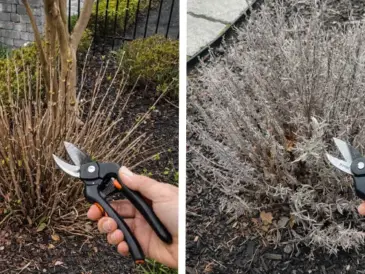
- Do not prune in September – you’ll cut off next year’s flower buds.
- Only remove dead, diseased, or damaged wood.
- If shaping is necessary, do it immediately after flowering in mid-summer, not fall.
For New-Wood Bloomers (Panicle and Smooth):
- You may prune lightly in September, though major pruning is best left until late winter or early spring.
- Dead or weak stems can be cut back now to tidy up the plant.
Golden Rule: When in doubt, don’t prune in September – you’ll risk sacrificing blooms.
3. Fertilization Strategy
By September, fertilization practices should change.
- Stop nitrogen-heavy fertilizers. These encourage soft, leafy growth vulnerable to winter damage.
- If desired, apply a balanced, slow-release fertilizer with higher phosphorus and potassium to strengthen roots and encourage bud development.
- In many cases, the last fertilizer application should be in August, with September focused more on soil health than feeding.
Soil Testing Tip: Hydrangeas are pH-sensitive. Adjust soil pH in fall if you want to influence flower color next season (blue in acidic soils, pink in alkaline).
4. Watering Needs
September often brings cooler weather, but don’t assume your hydrangeas don’t need water.
- Continue deep watering weekly, especially during dry spells.
- Reduce frequency slightly to help plants prepare for dormancy.
- Ensure soil drains well; waterlogging can lead to root rot as the plant slows down.
Hydrangeas with strong root hydration in fall are far better at surviving winter.
5. Mulching and Soil Protection
Mulching is one of the most important tasks in September.
- Apply a 2–3 inch layer of mulch (shredded bark, straw, compost, or pine needles) around the base.
- Mulch insulates soil, retains moisture, and protects forming buds on old-wood varieties.
- Keep mulch 2–3 inches away from stems to prevent rot.
In cold regions, mulch acts as the first defense against harsh winters.
6. Cleaning and Deadheading
- Remove faded flowers carefully, cutting above a set of healthy leaves.
- Do not cut too deeply on old-wood bloomers – you may remove next year’s buds.
- Clear fallen leaves and debris from around the plant to prevent overwintering pests and diseases.
7. Disease and Pest Prevention
September can still be humid, creating conditions for fungal diseases.
- Treat powdery mildew with neem oil or horticultural soap.
- Remove and dispose of diseased leaves (do not compost).
- Inspect stems and undersides of leaves for scale and spider mites.
Keeping plants clean before winter prevents issues from carrying into the next season.
Preparing for Winter: September to Frost
Once September tasks are done, continue prepping hydrangeas for the colder months.
For Old-Wood Bloomers
- Protect buds with burlap wraps or frost covers once temperatures dip below freezing.
- In very cold zones (3–5), consider covering shrubs with a wooden frame filled with leaves or straw.
For New-Wood Bloomers
- Focus more on protecting the root system with thick mulch.
- Because they bloom on new wood, you don’t need to worry about bud protection.
Regional Guidance
Cold Climates (Zones 3–5)
- Prioritize bud protection for bigleaf and oakleaf hydrangeas.
- Consider container growing for less-hardy varieties to bring indoors.
Moderate Climates (Zones 6–7)
- Mulching and light winter protection are usually enough.
- Watch for late-season warm spells that may encourage vulnerable growth.
Warm Climates (Zones 8–9)
- September prep focuses more on disease management and preventing excessive fall growth.
- Winter protection is minimal.
Advanced Tips for More Blooms
- Pruning Timing Mastery: Know your hydrangea type and prune accordingly. Mis-timed pruning is the #1 cause of no blooms.
- Pinching in Early Summer: Pinching tips on new-wood bloomers before July can encourage more branches – and more flower heads.
- Fall Soil Care: Add compost in September to improve soil fertility and structure over winter.
- Container Hydrangeas: For potted hydrangeas, bring containers into sheltered spots in late fall. Roots in pots are more vulnerable to freezing.
- Staggered Planting: Plant different hydrangea types to ensure blooms across multiple months.
Troubleshooting: Why Didn’t My Hydrangeas Bloom?
If blooms were disappointing last year, September prep is the time to fix the problem.
- Pruned at the wrong time: Likely cut off buds of old-wood bloomers.
- Winter bud kill: Not enough mulch or protection in cold climates.
- Too much fertilizer: Excess nitrogen produced leaves, not flowers.
- Shade issues: Hydrangeas need morning sun and afternoon shade for optimal blooming.
Frequently Asked Questions
Q: Can I prune hydrangeas in September to shape them?
A: Only panicle and smooth hydrangeas can be pruned now. Avoid pruning old-wood bloomers in fall.
Q: Should I fertilize hydrangeas in September?
A: In most climates, September is the last chance for a low-nitrogen, phosphorus-rich feed. Avoid heavy fertilization.
Q: Do I need to cover hydrangeas every winter?
A: Not always. It depends on type, zone, and severity of winter. Old-wood bloomers in zones 3–6 usually need protection.
Q: What’s the best mulch for hydrangeas?
A: Shredded bark, compost, pine needles, or straw all work well. Compost also adds nutrients.
Hydrangea success in spring starts with careful September preparation.
By identifying your hydrangea type and tailoring fall tasks – pruning correctly, mulching, adjusting fertilization, watering wisely, and protecting buds – you ensure healthier plants and abundant blooms next year.