A bright, white smile can boost your confidence and enhance your appearance, but maintaining pearly white teeth isn’t always easy. Many factors, including diet, habits, and oral hygiene, contribute to tooth discoloration. While numerous whitening products and treatments are available, many people prefer to tackle this issue at home with natural remedies.
However, not all home remedies are created equal. Some can cause more harm than good if done incorrectly. In this article, we’ll explore the common mistakes people make when trying to whiten their teeth at home and provide guidance on the right ways to achieve a healthier, brighter smile.
1. Understanding the Causes of Tooth Discoloration
To effectively address tooth discoloration, it’s crucial to understand what causes it in the first place. The most common culprits include consumption of staining beverages like coffee, tea, and red wine, as well as smoking, which can lead to surface stains. Additionally, poor oral hygiene and certain medications can result in deeper, intrinsic discoloration.
Age also plays a role as the enamel wears down over time, revealing the yellowish dentin underneath. Dietary choices, such as consuming foods high in sugar and acids, can exacerbate the problem by eroding enamel. Understanding the root cause of your tooth discoloration can help you choose the most effective treatment approach.
2. The Risks of Overusing Lemon and Baking Soda
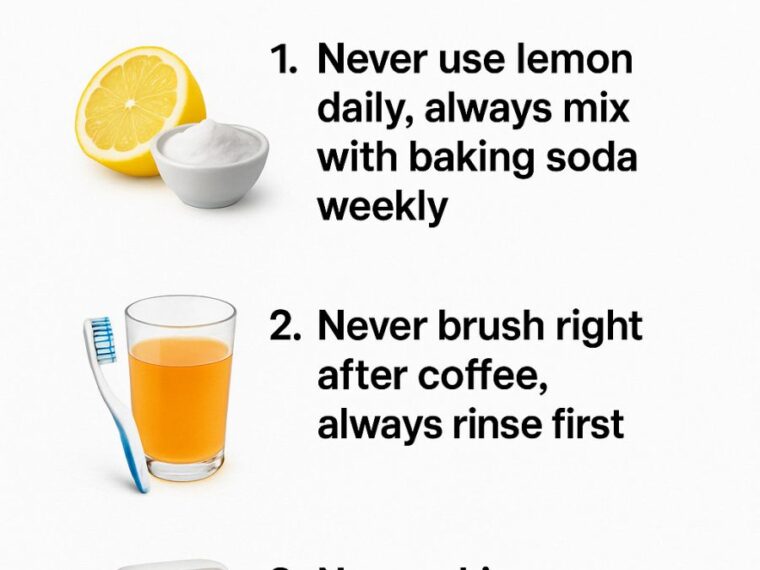
Lemon and baking soda are popular home remedies for teeth whitening due to their natural bleaching properties. However, overusing these substances can be detrimental to your dental health. Lemon juice is highly acidic, with a pH of around 2.3, which can erode enamel if used excessively. This erosion can lead to increased tooth sensitivity and a higher risk of cavities.
Baking soda is abrasive and can wear down enamel over time, especially if used in large quantities or too frequently. While it can help remove surface stains, using it more than once a week can damage the protective layer on your teeth. It’s important to use these substances sparingly and with caution.
3. Properly Using Lemon and Baking Soda for Whitening
If you decide to use lemon and baking soda for teeth whitening, it’s essential to do so correctly to avoid damaging your teeth. Mix a small amount of baking soda, about 1/2 teaspoon, with a few drops of lemon juice to form a paste. Apply this paste to your teeth using a toothbrush or fingertip and let it sit for no longer than two minutes.
After application, thoroughly rinse your mouth with water to remove any residue. Limit this treatment to once a week to prevent enamel erosion. Always follow up with a fluoride toothpaste to help remineralize and strengthen your enamel.
4. Why You Should Rinse, Not Brush, After Coffee
Many people instinctively reach for their toothbrush after consuming coffee to prevent staining, but this can do more harm than good. Coffee is acidic, and brushing immediately afterward can spread the acids over your teeth, leading to enamel erosion.
Instead, rinse your mouth with water or chew sugar-free gum to increase saliva production, which naturally neutralizes acids. Wait at least 30 minutes before brushing to allow your enamel to harden and protect itself against abrasion.
5. The Right Way to Use Charcoal for Teeth Whitening
Activated charcoal is a trendy natural whitening agent, but it’s important to use it correctly to avoid damaging your teeth. Use a small amount of activated charcoal powder, about 1/8 teaspoon, and gently apply it to your teeth with a soft-bristled toothbrush.
Do not scrub aggressively, as activated charcoal is abrasive and can wear down enamel. Let it sit for a couple of minutes before rinsing thoroughly with water. Use this method sparingly, no more than once a week, to minimize the risk of enamel damage.
6. The Importance of Flossing for Natural Whitening
Flossing is often overlooked in the quest for whiter teeth, but it plays a crucial role in maintaining a bright smile. Regular flossing removes plaque and food particles that can cause staining between teeth. By preventing plaque buildup, flossing helps keep your teeth looking cleaner and healthier.
Incorporate flossing into your daily oral hygiene routine, ideally before brushing, to ensure that fluoride from toothpaste can reach and strengthen areas between your teeth. Consistent flossing can significantly contribute to a naturally whiter smile over time.
7. Avoiding Common Tooth Whitening Mistakes
Many people make common mistakes when trying to whiten their teeth at home, such as using too much whitening product or applying it too frequently. Overuse can lead to tooth sensitivity and enamel erosion. It’s important to follow product instructions carefully and not exceed recommended usage.
Another mistake is neglecting professional advice. Consulting with a dentist before starting any whitening regimen can help you avoid potential issues and choose the most suitable method for your needs. They can provide valuable insight into safe and effective whitening practices.
8. The Role of Diet in Maintaining White Teeth
Diet plays a significant role in maintaining white teeth. Foods and beverages with intense pigments, such as berries, soy sauce, and red wine, can stain teeth over time. Limiting their consumption can help preserve your tooth color.
Incorporating crunchy fruits and vegetables like apples, carrots, and celery can naturally scrub teeth and stimulate saliva production, which helps wash away food particles and acids. Drinking plenty of water throughout the day also aids in keeping your mouth clean and your teeth white.
9. Effective Whitening Toothpaste Ingredients
Whitening toothpastes can be an effective part of your oral care routine when they contain the right ingredients. Look for toothpastes with mild abrasives, such as hydrated silica or calcium carbonate, which help polish teeth and remove surface stains.
Hydrogen peroxide and carbamide peroxide are common active ingredients in whitening toothpastes that help bleach teeth over time. Make sure to choose a toothpaste with the ADA Seal of Acceptance to ensure its safety and effectiveness.
10. Natural Remedies You Can Try at Home
In addition to lemon, baking soda, and charcoal, several other natural remedies can help whiten teeth. Coconut oil pulling is a traditional practice that involves swishing a tablespoon of coconut oil in your mouth for 10-15 minutes. This can help reduce plaque and bacteria, contributing to a brighter smile.
Another option is using strawberries, which contain malic acid, a natural whitening agent. Mash a ripe strawberry and mix it with baking soda to form a paste. Apply this mixture to your teeth and let it sit for five minutes before rinsing. Use this method sparingly to avoid enamel damage.
11. When to Seek Professional Help for Tooth Discoloration
While home remedies can be effective for mild discoloration, there are times when professional intervention is necessary. If you experience persistent discoloration despite using over-the-counter or natural remedies, consult a dentist to determine the underlying cause.
Professional treatments, such as in-office bleaching or custom-fitted whitening trays, can provide more dramatic results and are tailored to your specific needs. Seeking professional help ensures that you receive safe, effective whitening treatments under the supervision of a dental expert.