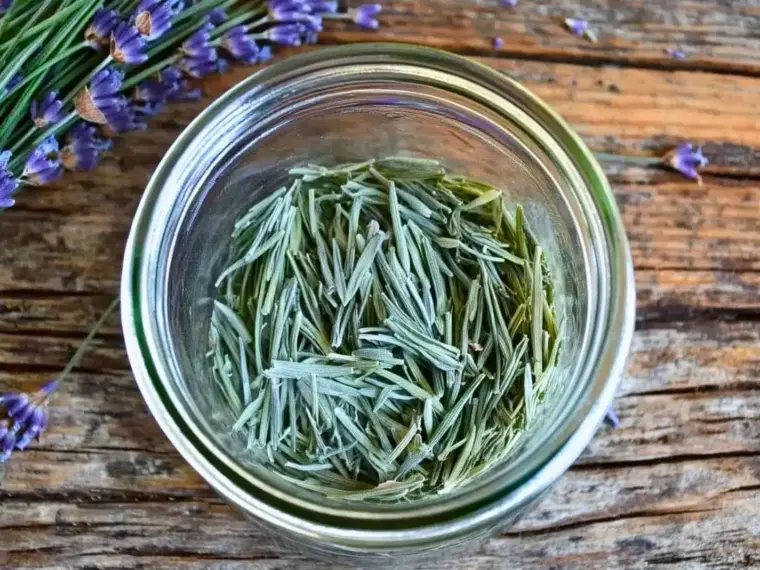
Lavender is one of the most beloved herbs in the world, known for its aromatic purple flowers, calming scent, and impressive range of uses.
From essential oils to culinary dishes, lavender flowers often steal the spotlight – but what about the leaves?
Many gardeners and herb enthusiasts don’t realize that lavender leaves are equally useful.
While they may not carry the same intensity of fragrance as the blooms, they still contain beneficial essential oils, compounds, and flavors that are too valuable to waste.
Instead of tossing them into the compost bin, put your lavender leaves to good use.
In this detailed guide, you’ll discover surprising, practical, and creative ways to use lavender leaves – from household applications to health remedies, garden solutions, and beyond.
What’s in a Lavender Leaf?
Lavender leaves contain essential oils like linalool, linalyl acetate, and camphor – the same calming and antimicrobial compounds found in the flowers, though in slightly lower concentrations.
They offer a subtle fragrance, a slightly bitter herbal taste, and gentle antiseptic properties.
There are several types of lavender, but English lavender (Lavandula angustifolia) and French lavender (Lavandula dentata) are especially fragrant and ideal for leaf-based uses.
Whether you’ve just pruned your lavender bush or harvested it for drying, don’t throw away the leaves – they have a surprising second life.
1. Make a Soothing Lavender Leaf Tea
Lavender leaf tea is calming, gently aromatic, and caffeine-free. While lavender flower tea is popular, the leaves offer a milder version that’s perfect for a relaxing evening brew.
Benefits of lavender leaf tea:
- Reduces anxiety and stress
- Supports sleep and relaxation
- Aids digestion and relieves bloating
How to brew it:
- Rinse fresh or dried leaves.
- Steep 1 tablespoon in hot (not boiling) water for 5–10 minutes.
- Strain and enjoy plain or with honey and lemon.
Combine with chamomile, lemon balm, or mint for a multi-herb blend.
2. Infuse Lavender Leaves into Oil
Lavender-infused oil is a versatile product that can be used for massage, skincare, homemade salves, or as a base for natural cleaning products.
How to make it:
- Dry lavender leaves to remove moisture.
- Fill a jar halfway with dried leaves.
- Cover with carrier oil (olive, sweet almond, or jojoba).
- Let it infuse in a sunny window for 2–3 weeks, shaking occasionally.
- Strain and store in a dark glass bottle.
Use it for massage, after-shower moisturizer, or mix with beeswax to create a calming salve.
3. Add Lavender Leaves to Potpourri or Sachets
Lavender leaves retain their scent when dried, making them perfect for potpourri bowls, scented sachets, or linen bags. Combine with dried flowers, rose petals, citrus peels, or cloves for long-lasting fragrance.
Uses:
- Tuck sachets into drawers or closets to repel moths.
- Place under your pillow for relaxation.
- Keep in your car, bathroom, or shoes for odor control.
The leaves help extend the lifespan of your flower-based potpourri and create a grounding herbal base.
4. Use as a Natural Pest Repellent
Lavender is a natural pest deterrent, and the leaves work just as well as the flowers to keep bugs at bay. The strong scent repels moths, flies, mosquitoes, and even ants.
How to use lavender leaves for pest control:
- Scatter fresh or dried leaves around windowsills, doorways, or garden beds.
- Make a lavender leaf sachet and place it in clothing drawers to deter moths.
- Mix dried leaves into homemade insect-repelling candles or fire starters (see tip #10).
For added effectiveness, combine lavender with other pest-repelling herbs like mint, rosemary, or bay leaf.
5. Cook with Lavender Leaves (In Small Amounts)
While the flavor of lavender leaves is stronger and more resinous than the flowers, they can still be used in cooking when applied thoughtfully. Use sparingly to avoid bitterness.
Ways to use lavender leaves in food:
- Add a small amount to roasted potatoes, grilled meats, or herb rubs.
- Infuse them into vinegars or olive oil for salad dressings.
- Mince finely and add to butter, shortbread, or herbal teas.
- Use in lavender salt or sugar blends.
Remember: a little goes a long way. Start with a pinch and adjust to taste.
6. Create a Lavender Leaf Vinegar Cleaner
Lavender has natural antimicrobial properties. When combined with white vinegar, it makes an effective and fragrant all-purpose cleaner.
How to make it:
- Fill a glass jar with dried lavender leaves.
- Cover with white distilled vinegar.
- Let it sit in a cool, dark place for 2–3 weeks.
- Strain and pour into a spray bottle.
Use this cleaner for countertops, windows, bathroom surfaces, or as a laundry rinse. It leaves behind a soft herbal scent and is free from synthetic chemicals.
7. Infuse Lavender Leaves into Bathwater
Add fresh or dried lavender leaves directly to your bath or place them in a muslin bag to create a soothing herbal soak.
Benefits of a lavender bath:
- Eases muscle tension
- Promotes restful sleep
- Calms itchy or inflamed skin
You can also combine the leaves with Epsom salts, oatmeal, or baking soda to create a full bath soak recipe.
8. Make Lavender Leaf Foot Soak or Scrub
Tired feet? Lavender leaves can be transformed into a revitalizing foot soak or exfoliating scrub.
Foot soak recipe:
- Steep a handful of fresh leaves in hot water for 10 minutes.
- Add to a basin of warm water with 1/2 cup Epsom salts.
- Soak feet for 15–20 minutes.
Scrub recipe:
- Blend dried leaves with sugar and coconut oil.
- Use to exfoliate rough skin on feet, knees, and elbows.
The antimicrobial properties of lavender may also help prevent foot odor and fungal issues.
9. Craft a Natural Air Freshener or Simmer Pot
Freshen the air in your home naturally using lavender leaves in a stovetop simmer pot or homemade air freshener.
Simmer pot recipe:
- Combine lavender leaves with lemon slices, rosemary, cinnamon sticks, or cloves.
- Simmer in a pot of water for a few hours on low heat.
You can also add lavender leaf essential water (made by steeping leaves) to spray bottles for a DIY room spray.
10. Make Herbal Fire Starters
Dried lavender leaves are excellent kindling material and release a lovely scent when burned. Use them to make fire starters for wood stoves, fire pits, or camping.
How to make:
- Fill empty toilet paper tubes or paper muffin cups with dried lavender leaves, paper shreds, and a bit of wax.
- Seal and store in a dry place.
These fire starters add a subtle fragrance to your fire and repurpose herbal waste.
11. Deter Rabbits and Deer in the Garden
The strong aroma of lavender is disliked by many garden pests, including rabbits and deer. Scatter crushed or fresh lavender leaves around vulnerable plants to help deter nibbling.
This natural deterrent is especially helpful in vegetable gardens or young flower beds.
12. Add to Compost for Extra Nutrients
While composting lavender leaves may not be as exciting as some of the other uses, it’s still beneficial. They break down easily and add a trace of antimicrobial properties to your compost pile.
Tips for composting:
- Chop leaves finely to speed decomposition.
- Balance with “brown” materials (like cardboard or leaves).
- Avoid composting diseased or moldy herbs.
Lavender leaves are especially helpful for deodorizing smelly compost.
13. Dry for Long-Term Storage and Blends
If you have a large harvest of leaves, dry them for year-round use. Dried lavender leaves store well and can be used in herbal blends, teas, potpourri, or DIY projects.
How to dry:
- Bundle stems and hang upside-down in a dry, dark room.
- Once brittle, strip leaves and store in airtight jars.
Use dried leaves to make custom herbal blends with thyme, rosemary, lemon balm, and mint.
14. Make a Lavender Leaf Tincture or Herbal Extract
Lavender leaves can be steeped in alcohol (like vodka or brandy) to create a herbal tincture.
How to make a tincture:
- Fill a clean jar halfway with chopped fresh leaves.
- Cover with high-proof alcohol.
- Store in a dark, cool place for 4–6 weeks.
- Strain and store in a dropper bottle.
Use 1–2 drops in tea or under the tongue to reduce anxiety and promote calmness. Always consult a professional before using herbal tinctures medicinally.
15. Create Homemade Insect Repellent Spray
Combine lavender leaves with other bug-repelling herbs to make a natural insect spray for your skin or garden.
Recipe:
- Simmer lavender leaves with mint, citronella, and rosemary in water for 15 minutes.
- Strain and cool.
- Add a splash of witch hazel or alcohol for preservation.
- Store in a spray bottle and use on skin or plants.
This spray is gentle on skin and effective against mosquitoes and flies.
Don’t let those beautifully fragrant lavender leaves go to waste. From tea and tinctures to bath soaks and garden sprays, lavender leaves are brimming with potential.
Whether you’re seeking natural wellness remedies, chemical-free household cleaners, or garden hacks, lavender leaves are too useful to throw away.