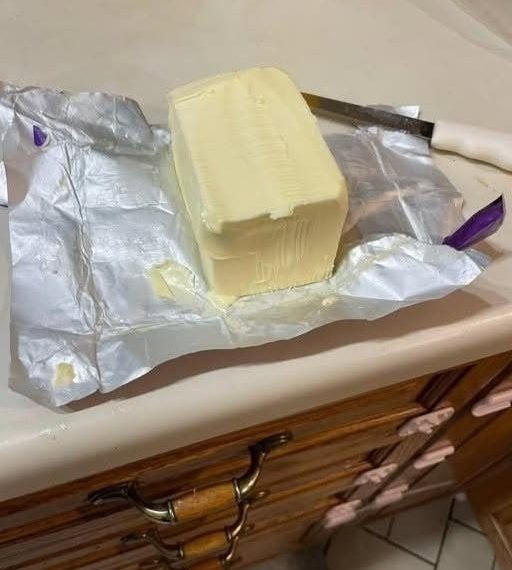

Many households have different opinions about where butter belongs. Some people insist that butter should always stay in the refrigerator, while others keep a butter dish on the kitchen counter because that is how their parents and grandparents did it.
So, who is right? The answer is a little more complicated than you might think. Butter can often be kept at room temperature for a short period, but the temperature, type of butter, and storage conditions all matter.
Get Fresh Dairy
Why Do Some People Leave Butter Out?
There is a practical reason why many people prefer to leave butter on the counter: it becomes soft and easy to spread.
Cold butter straight from the refrigerator can tear soft bread, crumble toast, and make preparing breakfast less convenient. Keeping a small amount at room temperature makes it easier to spread on toast, muffins, pancakes, and other foods.
This habit has been passed down through generations, particularly in households where butter was kept in a covered butter dish and used regularly.
However, traditional habits do not automatically guarantee food safety. Modern food storage advice takes into account temperature, contamination, and how long food has been left out.
Try New Foods
Does Butter Go Bad at Room Temperature?
Butter is different from many other dairy products. It contains a high percentage of fat and considerably less water than milk or cream. This makes it less hospitable to many bacteria than more moisture-rich dairy foods.
Salted butter generally keeps better than unsalted butter because salt helps inhibit microbial growth. Nevertheless, neither type is completely immune to spoilage.
Butter can develop an unpleasant smell or taste as its fats oxidize and become rancid. Exposure to warmth, air, sunlight, and contaminants can speed up this process.
The main considerations are:
- Room temperature: A cool kitchen is more suitable than a warm kitchen.Book HVAC Repairs
- Type of butter: Salted butter is generally the better option for short-term counter storage.
- Cleanliness: A clean, covered butter dish helps protect butter from dust, food particles, and other contaminants.
- Time: The longer butter sits out, the more opportunity there is for quality to deteriorate or contamination to occur.
How Long Can Butter Safely Sit Out?
For the best balance between convenience and safety, keep most of your butter refrigerated and take out only the amount you expect to use soon.
Get Fresh Dairy
Some food-storage guidance considers a small amount of butter in a covered dish acceptable for short-term use in a cool room. However, recommendations vary, and there is no single time limit that guarantees safety under every condition.
If your kitchen is hot, particularly during summer, refrigeration is the safer choice. Avoid leaving butter near an oven, stove, or sunny window.
Also, do not assume that butter is safe indefinitely just because it looks normal. Harmful contamination is not always visible or detectable by smell.
Salted vs. Unsalted Butter: Which Is Better on the Counter?
Salted butter is generally more suitable for brief storage outside the refrigerator because salt helps slow some forms of microbial growth.
Get Fresh Dairy
Unsalted butter lacks this additional protection and is often preferred for baking because it allows more precise control over the amount of salt in a recipe.
If you bake frequently, keeping unsalted butter refrigerated and softening only the amount needed for a recipe is a sensible approach.
For everyday toast, a small covered dish containing salted butter may be convenient in a cool kitchen, provided it is handled hygienically and used promptly.
The Best Way to Store Butter
The Best Way to Store Butter
You do not have to choose between rock-hard butter and leaving a large block on the counter all day.
Try these simple storage tips:
- Keep the main supply of butter in its original packaging in the refrigerator.
- Transfer a small portion to a clean, covered butter dish when needed.
- Store the dish away from direct sunlight and heat sources.
- Use a clean knife rather than one that has touched other foods.
- Refrigerate the butter if your kitchen becomes warm.
- Discard butter that develops an unusual smell, discoloration, mold, or an unpleasant taste. Do not taste butter to test whether visibly spoiled food is safe.Try New Foods
A covered butter crock designed to limit air exposure may also help preserve quality, but it does not eliminate the need for proper storage.
What About the Butter in Your Roommate’s Kitchen?
If your roommate leaves butter on the counter because that is how her family has always stored it, she is not necessarily doing something dangerous. In a cool kitchen, a small amount of salted butter kept in a clean, covered dish for a short time may be perfectly reasonable.
However, leaving a large block exposed on its wrapper for extended periods is less ideal, particularly in a warm kitchen. The butter shown in the photograph is sitting on opened packaging, so using a clean, covered dish would be a better storage practice.
You are also entitled to prefer refrigerated butter. One practical compromise is to keep the main block in the refrigerator and leave out only a small portion for immediate use.
Frequently Asked Questions
Can butter be left out overnight?
It depends on the room temperature, type of butter, and storage conditions. Refrigeration is the safer choice when conditions are uncertain, especially in a warm kitchen.
Find Treatments
Does butter need to be refrigerated after opening?
Refrigeration is the best way to preserve butter quality and minimize storage risks, particularly for long-term storage.
Can butter left on the counter make someone sick?
It is possible if the butter becomes contaminated or is stored under unsuitable conditions, although butter is generally less prone to bacterial growth than many other dairy products.
Is a butter dish safer than leaving butter on its wrapper?
A clean, covered butter dish helps protect butter from airborne contaminants and food debris. It does not make prolonged or warm storage risk-free.
Final Verdict
Your roommate is not automatically wrong, and you are not unreasonable for preferring refrigerated butter. Butter can be kept out briefly under suitable conditions, but refrigeration remains the most reliable way to preserve it.
Find Treatments
The simplest compromise is to refrigerate the main supply, keep only a small portion in a clean covered dish, and return to refrigeration whenever the kitchen is warm.
That way, everyone can enjoy spreadable butter without turning a difference in kitchen habits into an argument.