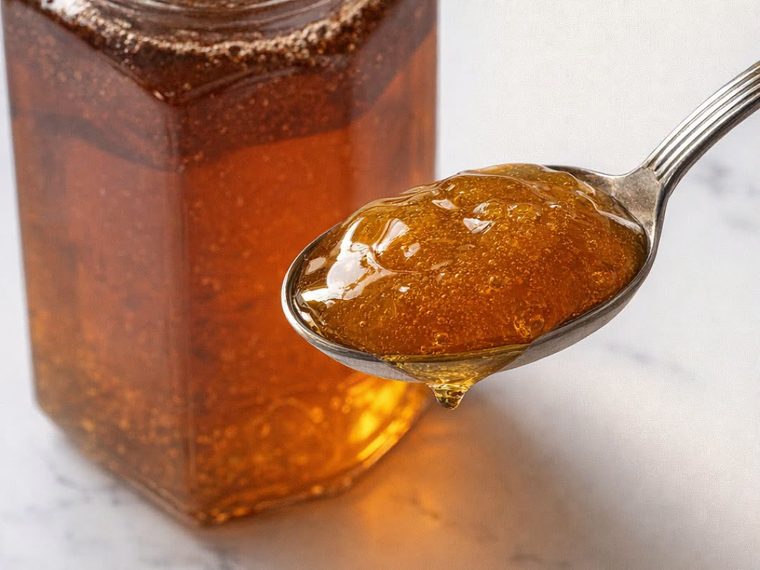
Raw honey is one of those old kitchen staples I keep coming back to. I cook with it, stir it into drinks, and, when the weather turns or my throat feels rough, I reach for it before I reach for anything complicated. A jar of the raw kind does more than sweeten tea: it brings natural sugars, trace enzymes, antioxidants, humectant properties that draw in moisture, and mild antibacterial activity that can make it surprisingly practical around the house.
If you have a spoonful of raw honey before bed, there are a few effects worth knowing about, but that is really just the beginning. Below are 20 specific ways to use it, in the exact amounts and timing that make the most sense, plus the safety notes I would give any friend: never give honey to babies under 1, remember raw honey is not pasteurized, and keep portions sensible if you monitor blood sugar closely.
1. Better sleep with a spoonful before bed
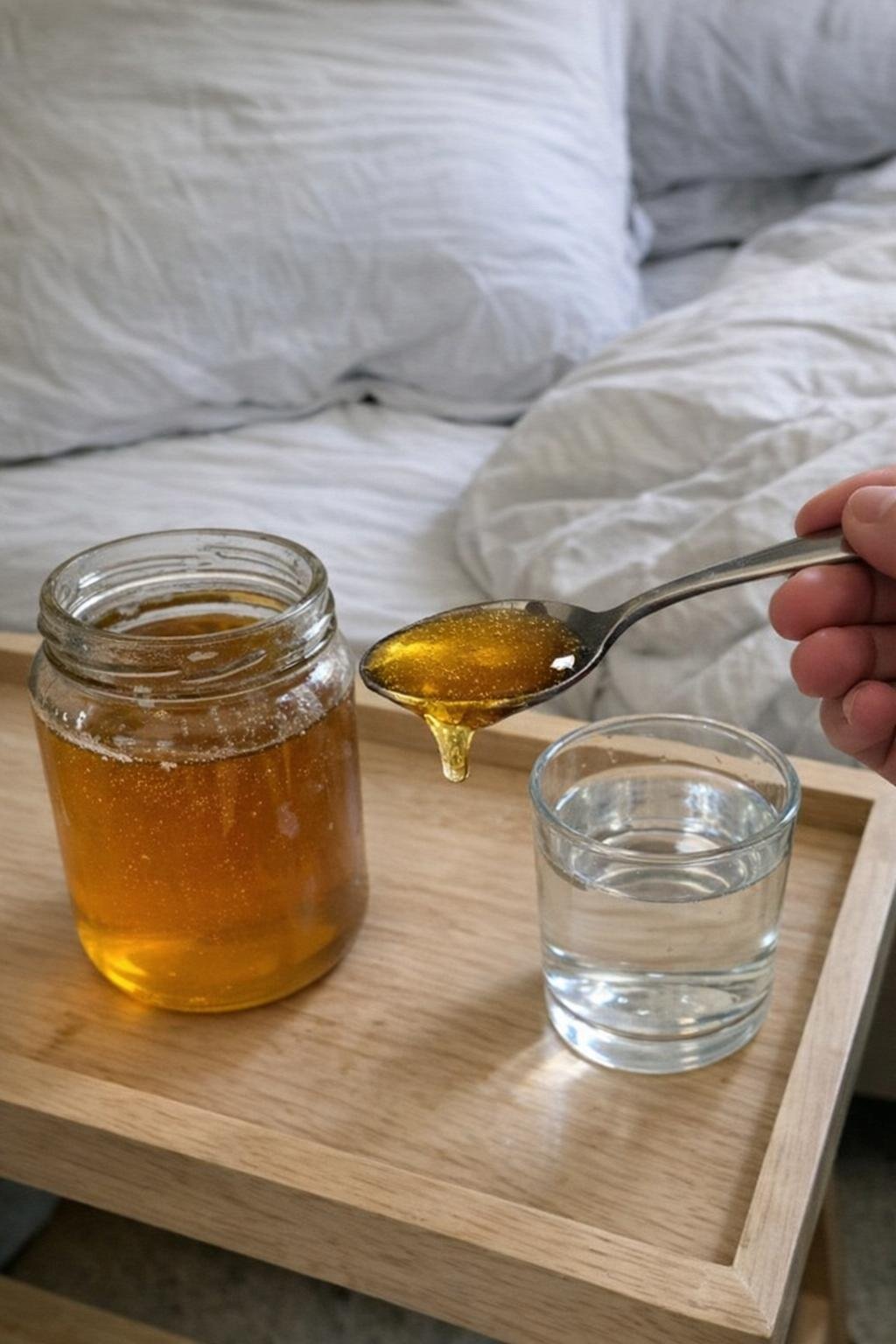
Take 1 teaspoon to 1 tablespoon of raw honey about 30 minutes before bed. I usually stay at 1 teaspoon if I have already had dessert, and closer to 1 tablespoon only when dinner was light. You can take it straight off the spoon or stir it into 2 to 3 tablespoons of warm water. The thinking here is simple: honey’s natural sugars can gently nudge insulin, which may help tryptophan availability and support serotonin and melatonin production, the hormones tied to sleep and circadian rhythm.
It is not a sedative, so do not expect it to knock you out. Think of it more as a small, calming nudge that may help you settle in, especially if you wake hungry at night. If you watch blood sugar, keep the amount modest and consistent so you can see how your body responds.
2. Honey, lemon, and ginger cough syrup
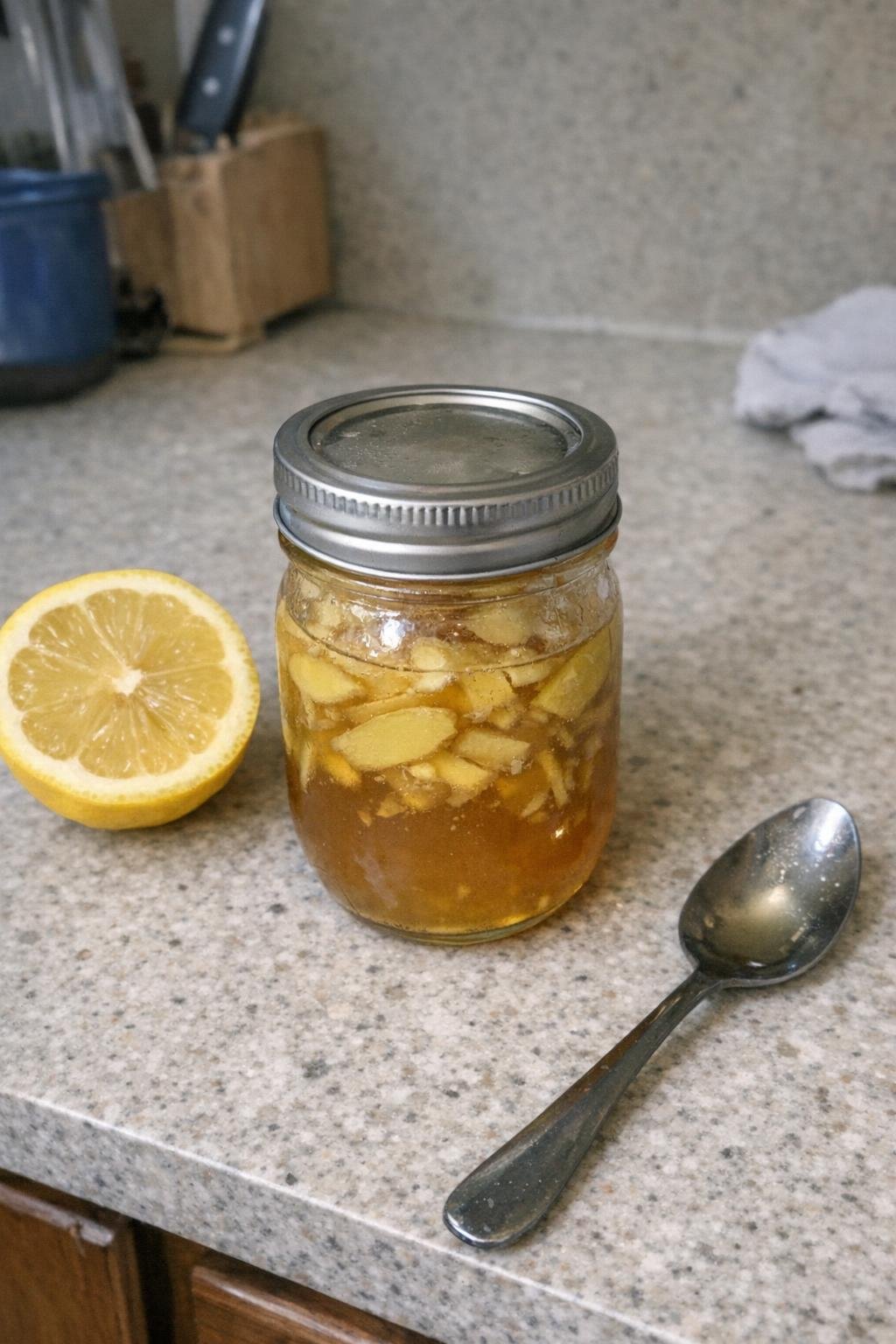
For a simple homemade cough syrup, fill a small clean jar with 1 cup raw honey, 2 tablespoons fresh lemon juice, and 1 tablespoon finely grated ginger. Stir well, cap it, and keep it in the refrigerator for up to 1 week. Take 1 teaspoon to 1 tablespoon as needed, especially before bed or when a dry cough starts nagging. Honey coats the throat better than many thin syrups, while ginger adds warmth and lemon brings acidity that can brighten the flavor and thin mucus a bit.
I like this because it is easy to make in five minutes and tastes far better than most medicine cabinet options. Safety note: if a cough lasts more than a week, comes with wheezing, high fever, chest pain, or shortness of breath, it is time to call a doctor rather than keep spooning from the jar.
3. A natural dressing for scrapes and small cuts
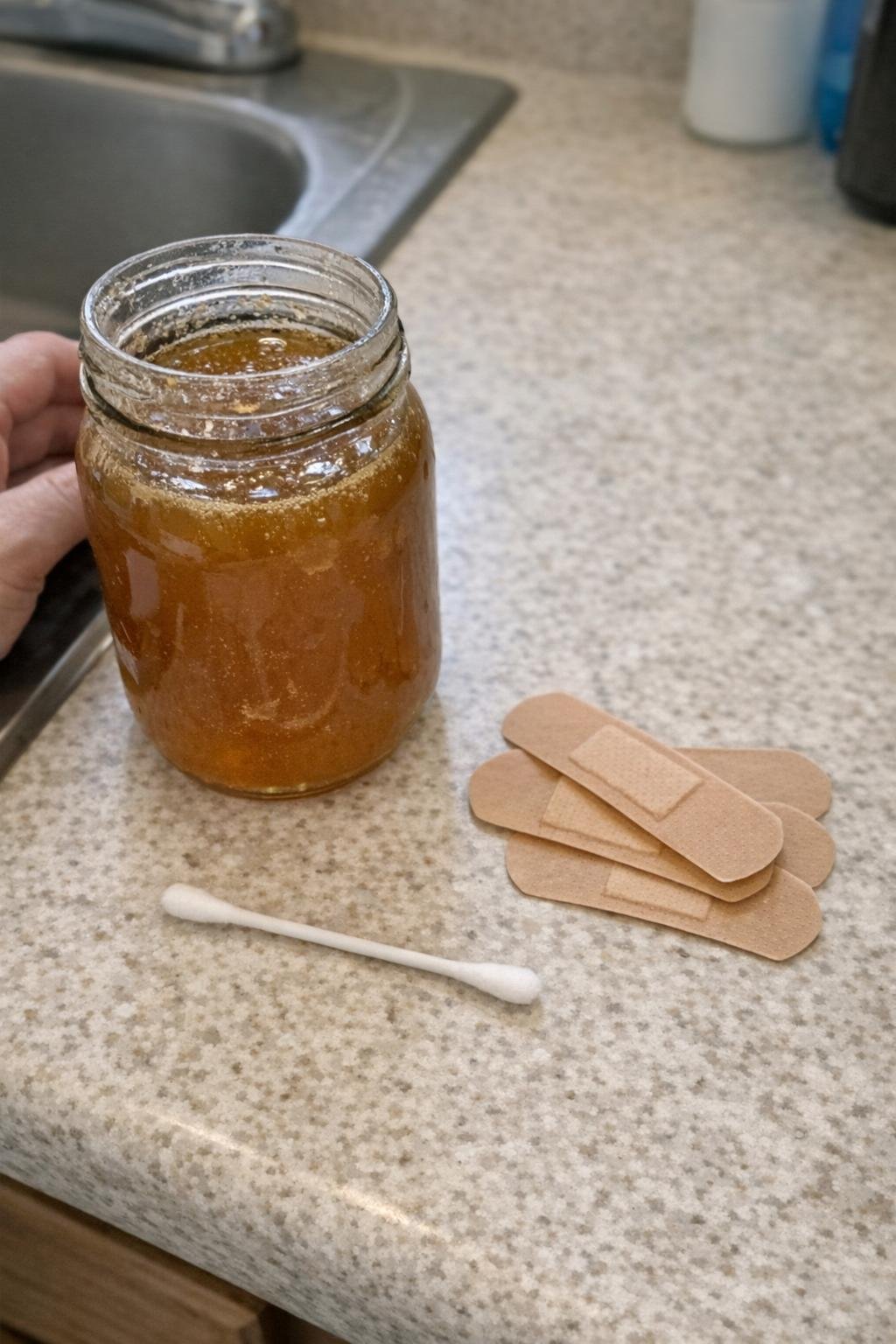
For a very small scrape or shallow cut, wash the area gently with mild soap and water, pat dry, then apply a very thin layer of raw honey and cover it with a clean bandage. Change the bandage once a day, or sooner if it gets wet or dirty. Honey’s mild antibacterial properties and moisture-retaining texture can help keep the wound from drying out too fast, which supports normal healing.
This is only for minor injuries. If the wound is deep, gaping, dirty, still bleeding after 10 minutes of pressure, caused by an animal bite, or showing worsening redness, swelling, pus, or fever, skip the pantry remedy and get medical care. And because raw honey is not sterile like medical-grade honey, use common sense here.
4. Warm honey water first thing for digestion
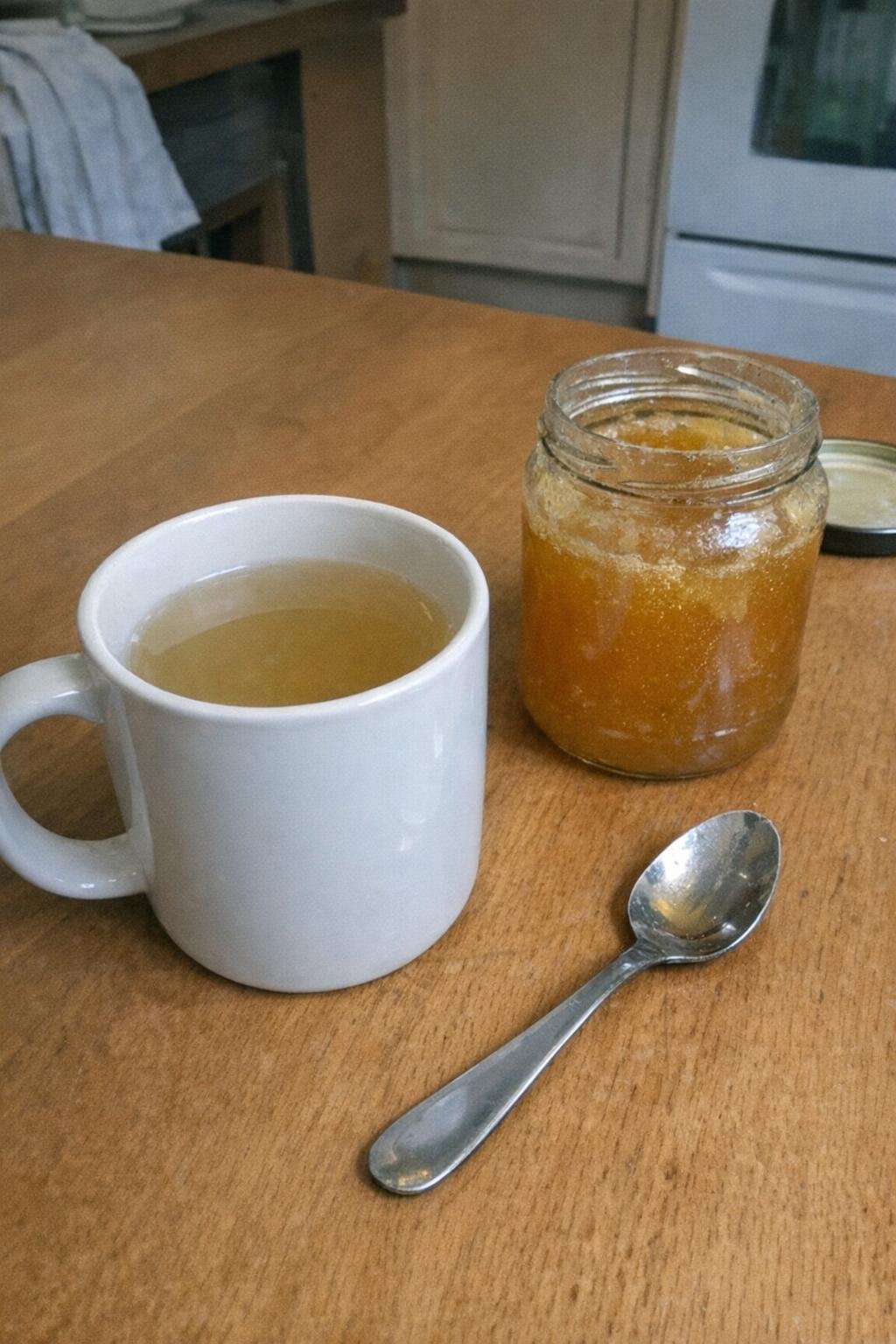
Stir 1 teaspoon of raw honey into 1 mug, about 8 to 10 ounces, of warm water first thing in the morning. Make sure the water is warm, not boiling, so the honey dissolves easily without becoming unpleasantly hot to drink. Sip it slowly before coffee or breakfast. Many people find that a gentle, warm drink helps wake up digestion, and honey adds a little energy without feeling heavy.
Raw honey also contains small amounts of enzymes and compounds that can be soothing to the digestive tract, though it is not a cure-all. I think of this as a mild ritual more than a miracle. If sweet drinks on an empty stomach bother you, have it after a few bites of breakfast instead.
5. A homemade electrolyte drink
Mix 2 cups water, 1/2 cup orange juice, 2 tablespoons lemon juice, 1 tablespoon raw honey, and a small pinch of salt, about 1/8 teaspoon. Stir or shake until the honey dissolves, then chill if you like. This gives you fluid, a little sodium, and quick carbohydrates from the honey and juice, which can be useful after a sweaty workout, a stomach bug, or a hot afternoon in the yard.
I prefer this to many ultra-sweet bottled drinks because I can control the sweetness. It is not a substitute for medical care if you are severely dehydrated, but for mild fluid loss it is a practical kitchen fix. If you have to limit sodium or sugar, adjust accordingly.

6. Winter chapped lips
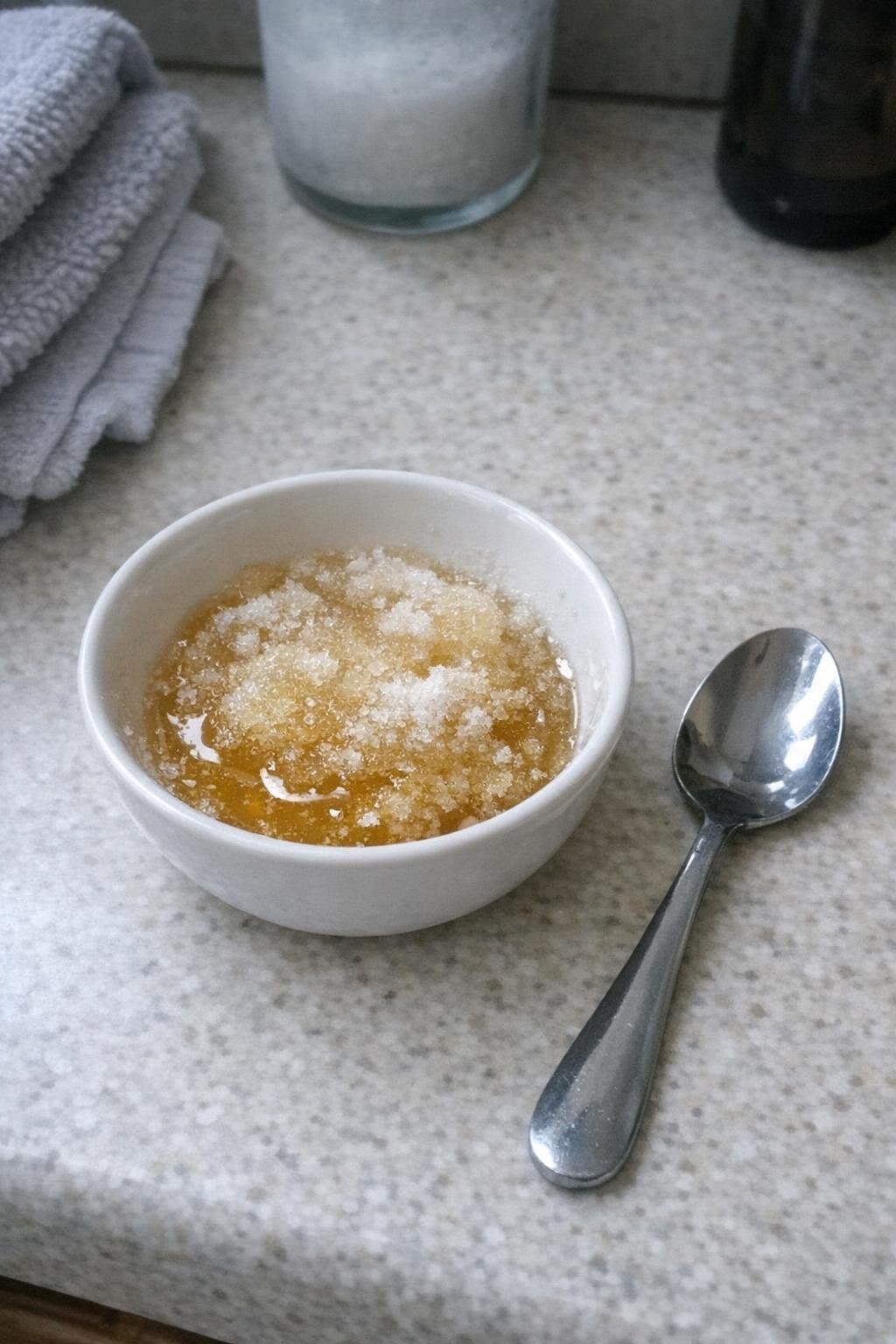
For lips that get rough in cold weather, mix 1 teaspoon raw honey with 1 teaspoon fine sugar and gently rub it over the lips for 20 to 30 seconds, then rinse or wipe off. After that, dab on a very thin layer of plain honey and leave it overnight. The sugar exfoliates loose flakes, while honey acts as a humectant and helps pull moisture to the surface.
I only do the scrub 1 or 2 times a week; any more and lips can get irritated. If the corners of your mouth are cracked badly or your lips are splitting and bleeding often, it is worth checking with a clinician because sometimes there is more going on than winter air.
7. Local raw honey for seasonal allergies
Some people take 1 teaspoon of local raw honey a day, starting about 4 to 6 weeks before their usual allergy season. The idea is that exposure to tiny amounts of local pollen may help the body gradually get used to it, although the evidence is mixed. Even so, many people enjoy the routine, and at the very least it is an easy swap for refined sweeteners.
I would treat this as a gentle experiment, not a guaranteed fix. If you have serious pollen allergies or a history of anaphylaxis, ask your doctor first, because raw honey can contain pollen and is not risk-free for everyone.
8. Honey and cinnamon paste for a scratchy morning throat
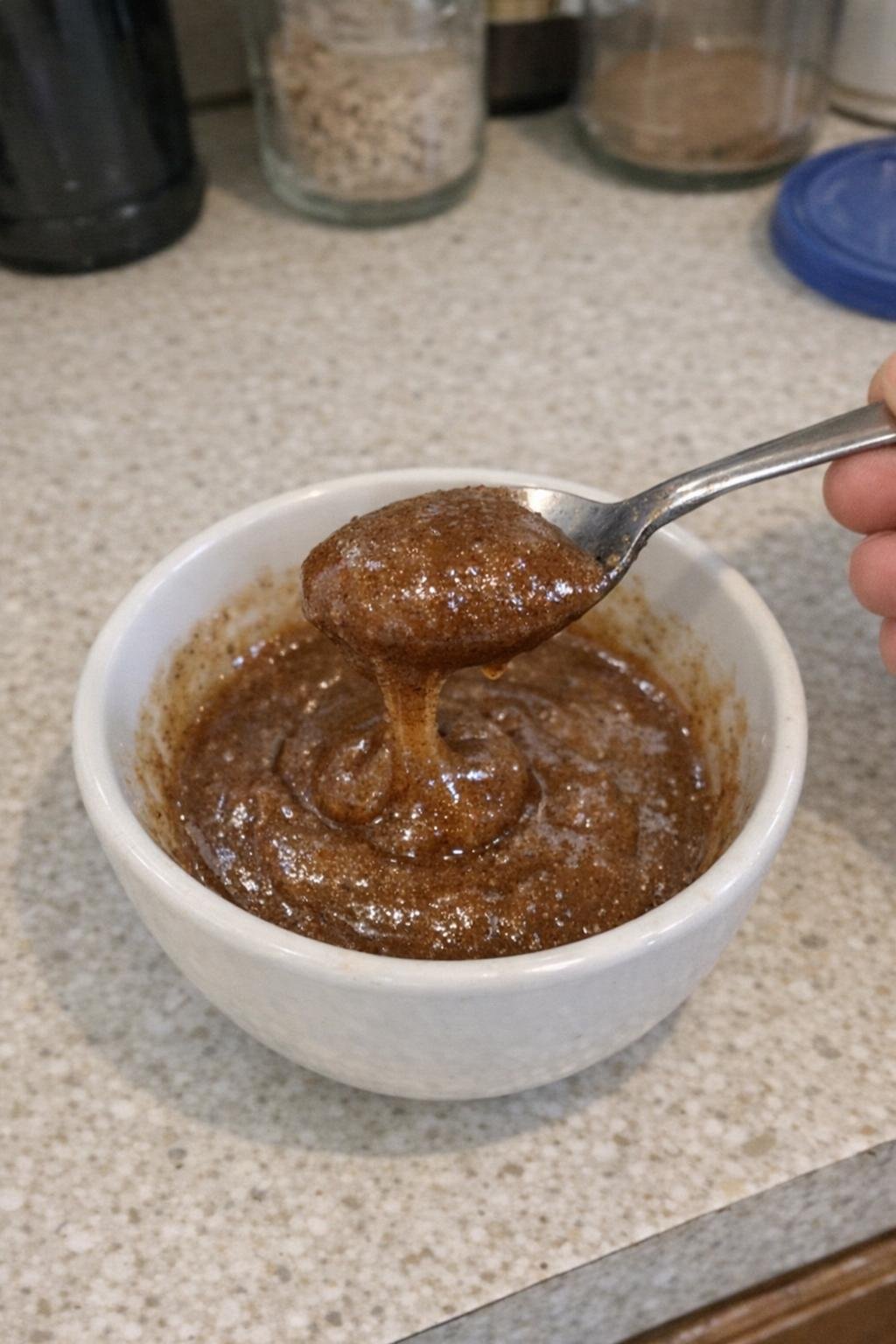
Stir 1 tablespoon raw honey with 1/2 teaspoon ground cinnamon into a thick paste and take it slowly off the spoon. I like this first thing in the morning when my throat feels papery from dry indoor heat. Honey coats the throat, while cinnamon brings warmth and a strong flavor that can make everything feel a bit more open.
Use true cinnamon if you take this often, and keep the amount moderate since too much cinnamon can be irritating. If swallowing hurts sharply, or symptoms last more than a few days with fever, you may need a medical opinion rather than another spoonful.
9. Soothe a cold and sore throat
When you have a cold, take 1 teaspoon of raw honey straight or stir 1 to 2 teaspoons into a mug of warm herbal tea. Chamomile, mint, or simple hot water with lemon all work. Honey often feels more effective than thin cough syrup because it actually coats the throat and stays there for a bit, which can calm that dry, scratchy feeling.
This is one of the oldest uses for honey, and frankly one of the best. If your sore throat comes with trouble breathing, a very high fever, or symptoms that worsen instead of improve, it is time to get checked. And again, never give honey to babies under 1.

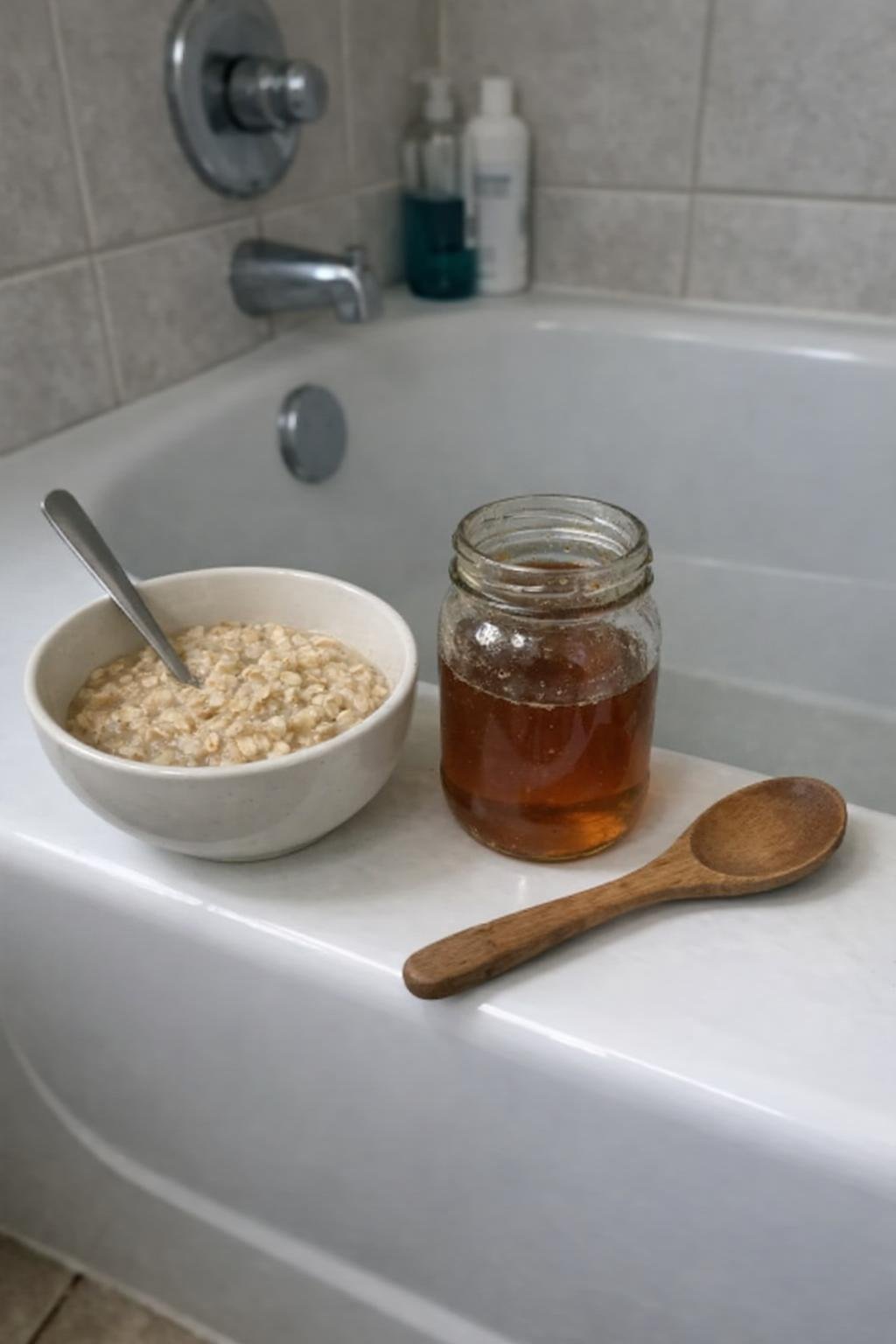
10. A honey and oatmeal soak for dry, itchy winter skin
Add 1 cup plain oats and 1/4 cup raw honey to a warm bath, then soak for 10 to 15 minutes. You can blitz the oats in a blender first if you want the water milkier and silkier. This is especially nice in winter when indoor heating leaves skin tight and itchy. Oats soothe, and honey helps attract and hold moisture on the skin.
Keep the water warm rather than hot, because hot water can make dryness worse. If you have widespread rash, severe itching, or broken skin, do not assume it is just winter dryness; check in with a professional.
11. Itchy skin and flaky scalp rinse
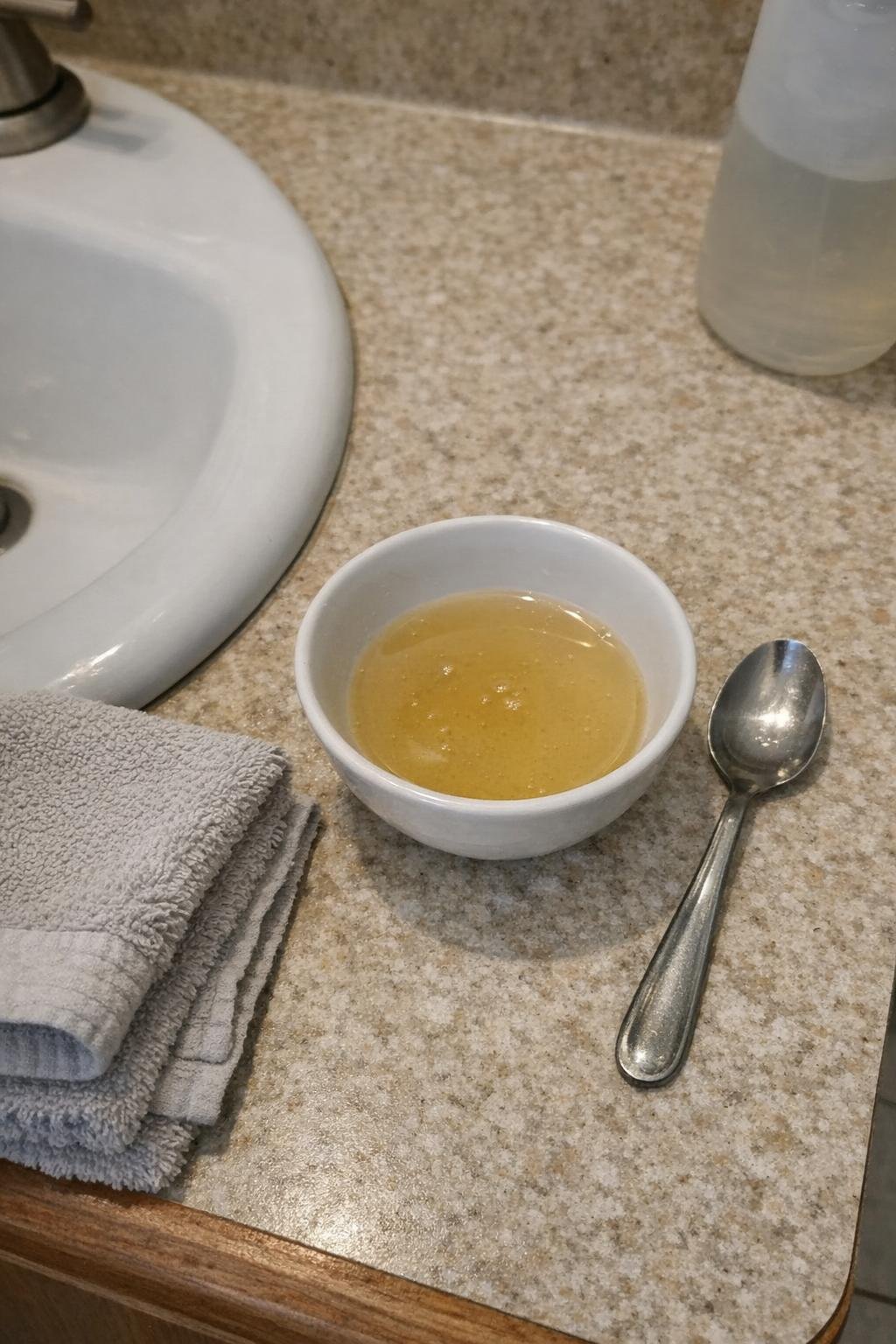
Mix 1 tablespoon raw honey with 3 tablespoons warm water until loose, then smooth it over itchy patches of skin or onto the scalp after shampooing. Leave it on for 3 to 5 minutes, then rinse thoroughly with warm water. Diluting it makes it much easier to spread, and honey’s humectant quality can soften flakes while its mild antibacterial action may help calm irritation.
I have found this works best as an occasional rinse, not an everyday one. If your scalp is very inflamed, painful, or shedding heavily, it could be dandruff, eczema, or psoriasis and may need something stronger than pantry care.
12. A honey hair mask for shine
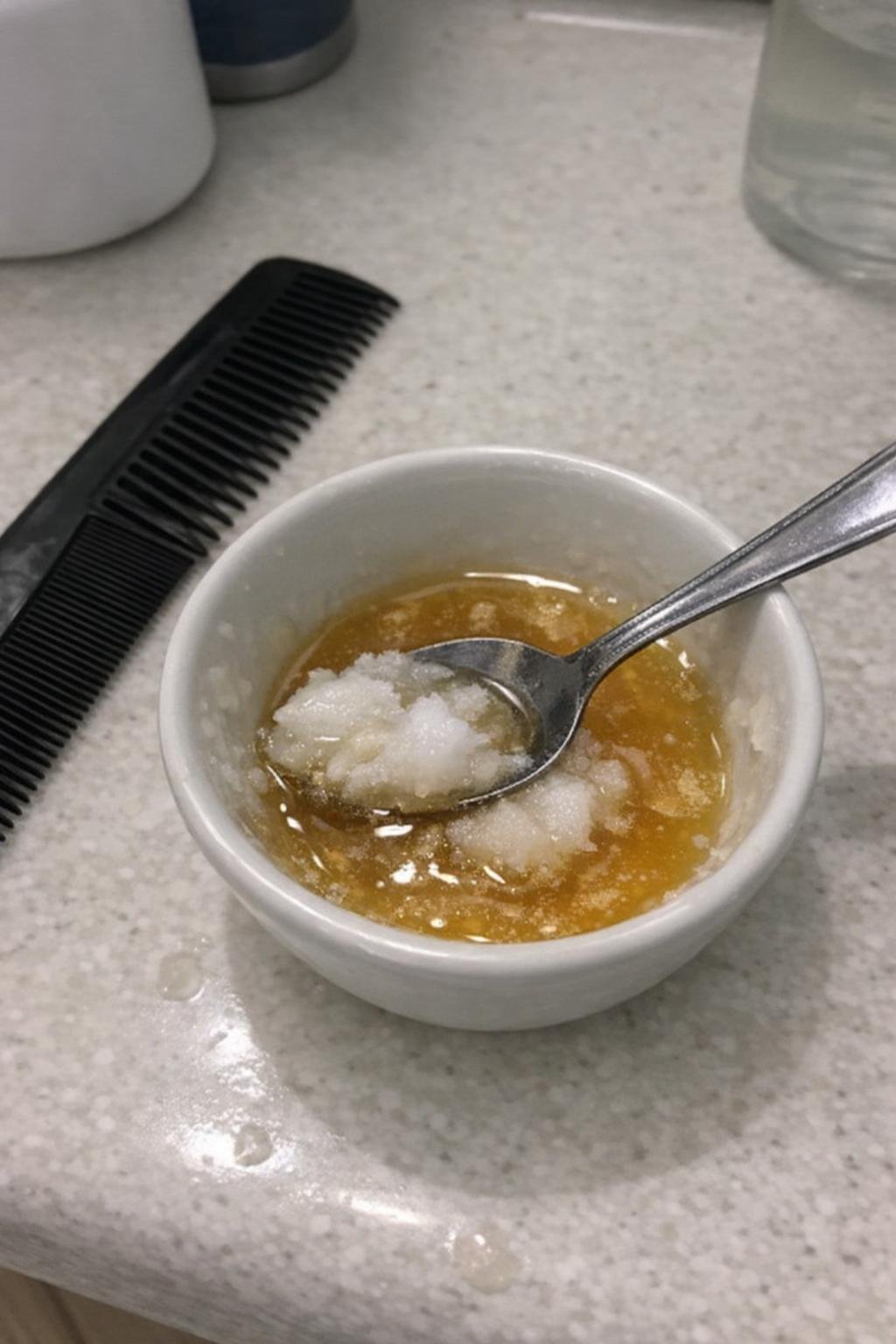
Mix 1 tablespoon raw honey with 1 tablespoon melted coconut oil and apply it to damp hair from mid-length to ends, avoiding the roots if your scalp runs oily. Leave it on for 20 minutes, then shampoo well and rinse. Honey helps draw in moisture, while coconut oil can smooth the hair shaft and add shine.
This is especially useful for dry winter hair or hair that has seen too much heat styling. Start with a small amount; too much can make fine hair heavy. If you have a nut or coconut sensitivity, skip the coconut oil and use a little plain conditioner instead.
13. Minor burns and sunburn
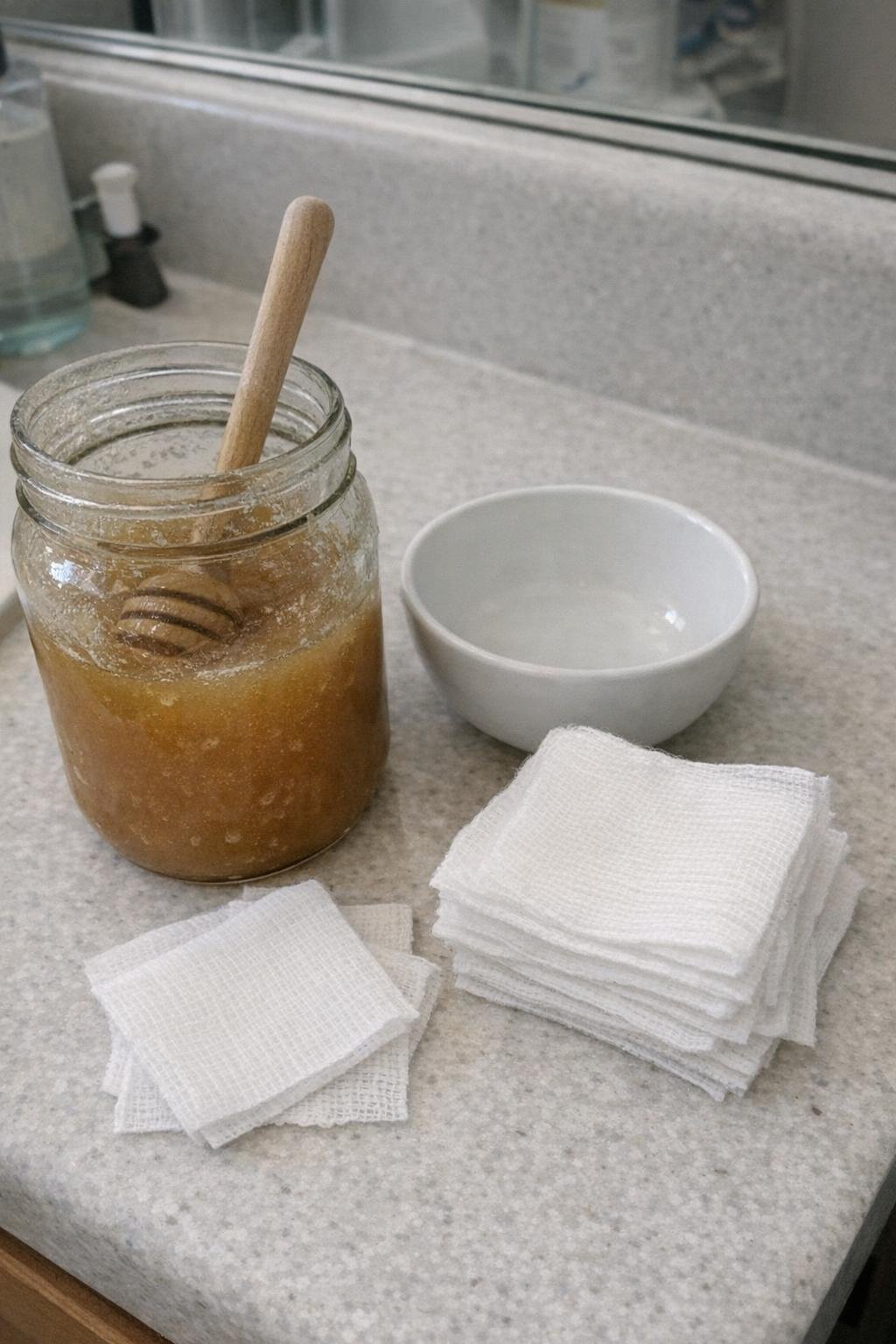
For a minor burn, think small and superficial: mild redness, pain, and no large blisters. Cool the area under running cool water for 10 to 15 minutes first, then pat dry and apply a very thin layer of raw honey. Cover loosely with clean gauze if needed. Honey can help protect the surface and keep it from drying out too much.
Do not use this on large burns, deep burns, chemical burns, electrical burns, or severe sunburn with widespread blistering. Those need medical care. If a burn worsens, looks infected, or does not improve in a couple of days, stop home treatment and get help.
14. A honey and plain yogurt face mask for dull skin
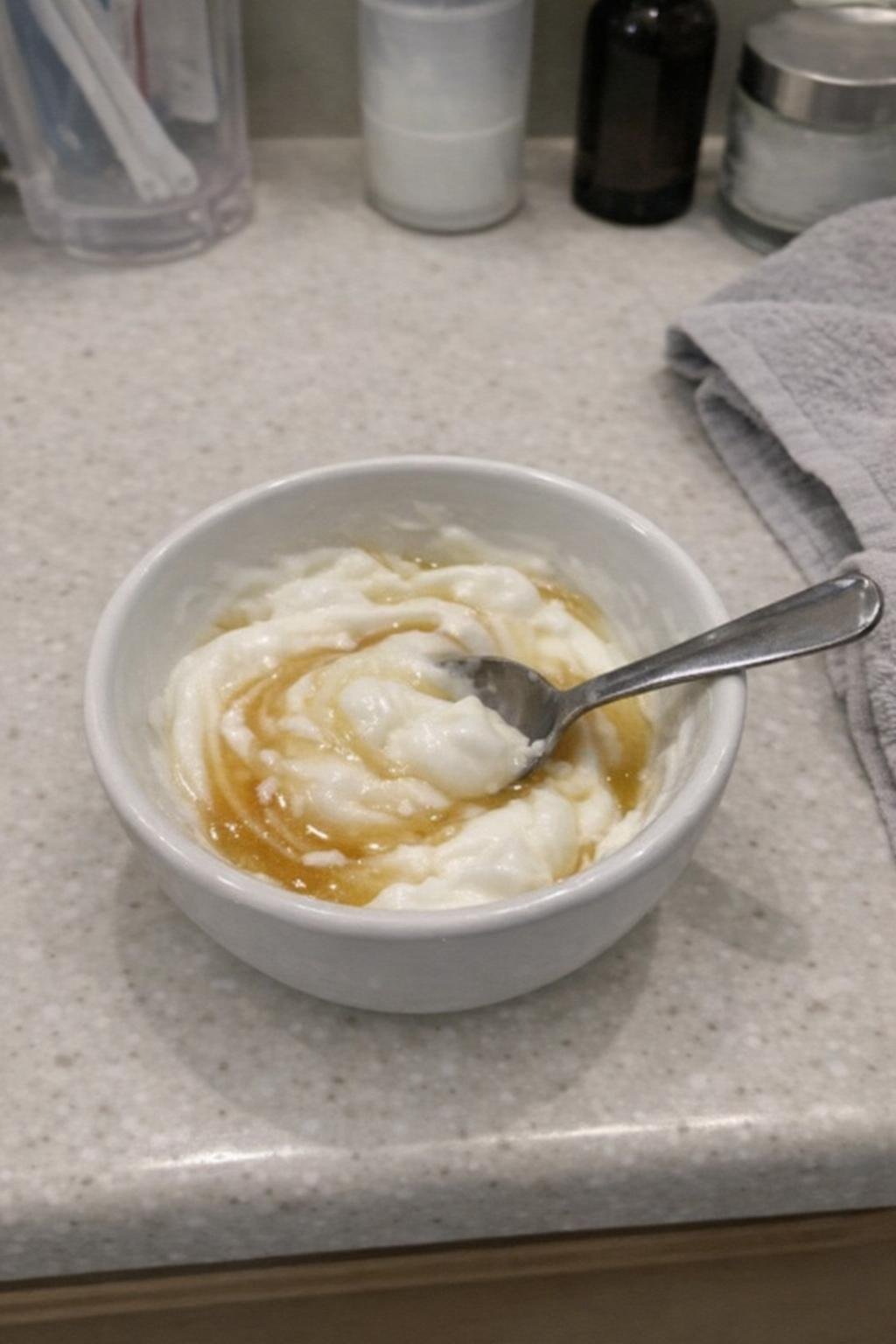
Mix 1 tablespoon plain yogurt with 1 teaspoon raw honey and apply a thin layer to clean skin. Leave it on for 10 minutes, then rinse with lukewarm water and pat dry. Yogurt brings lactic acid, which can gently freshen the look of skin, and honey helps hold moisture so skin feels softer afterward.
Patch test first if you are sensitive, and do not use this on irritated or freshly exfoliated skin. I like simple kitchen masks, but I also think restraint matters; once a week is plenty for most people.
15. Settle an upset stomach and support gut bacteria
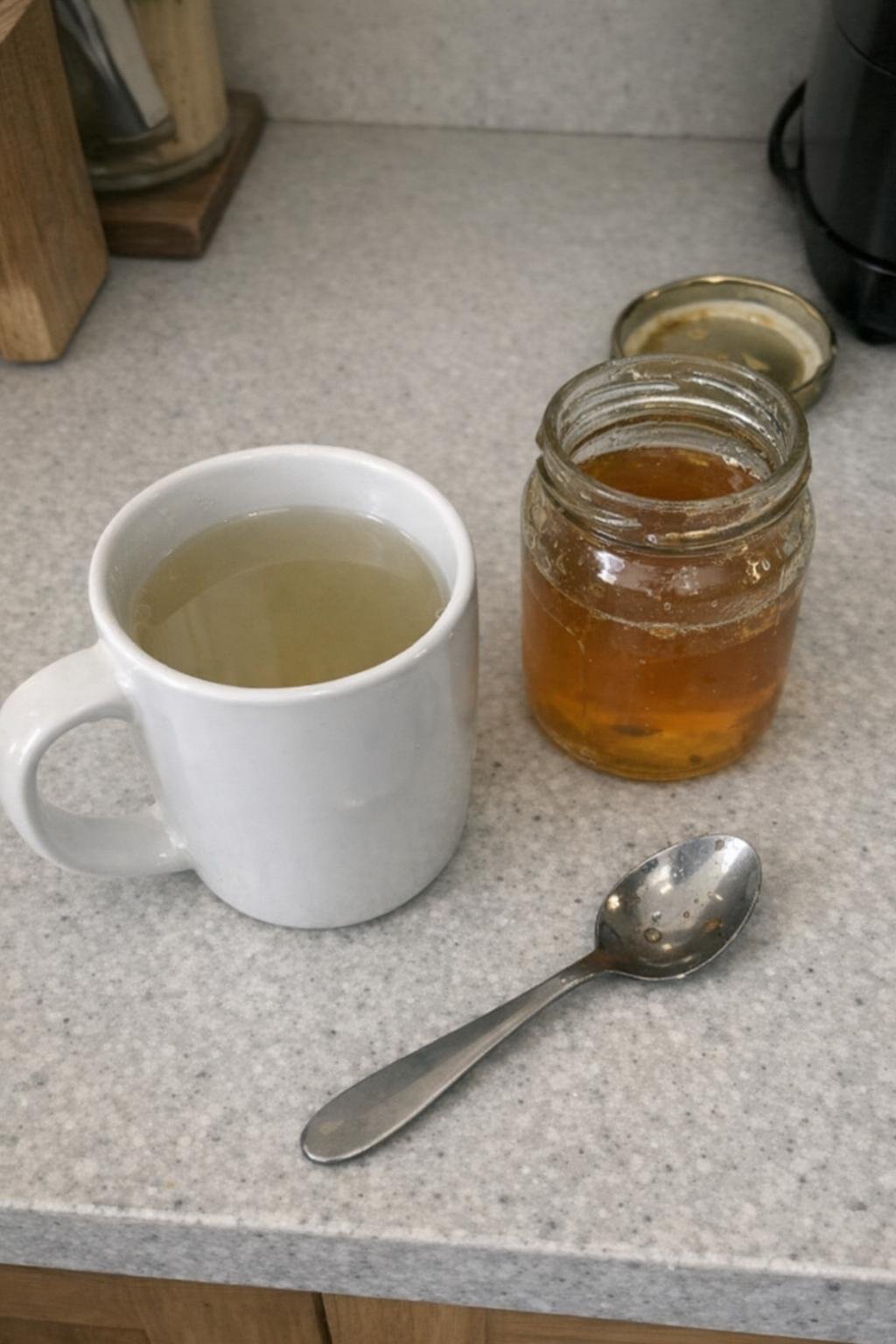
Stir 1 teaspoon of raw honey into 1 cup warm water and sip it slowly when your stomach feels mildly unsettled. Honey is easier on many people than a heavy snack, and its natural sugars can give a little lift when you feel wrung out. Raw honey also contains oligosaccharides and compounds that may help support beneficial gut bacteria.
This is for mild queasiness or that vague off feeling, not severe stomach pain. If you are vomiting repeatedly, have bloody diarrhea, or cannot keep fluids down, use proper rehydration and call a doctor.
16. A honey and apple cider vinegar morning tonic
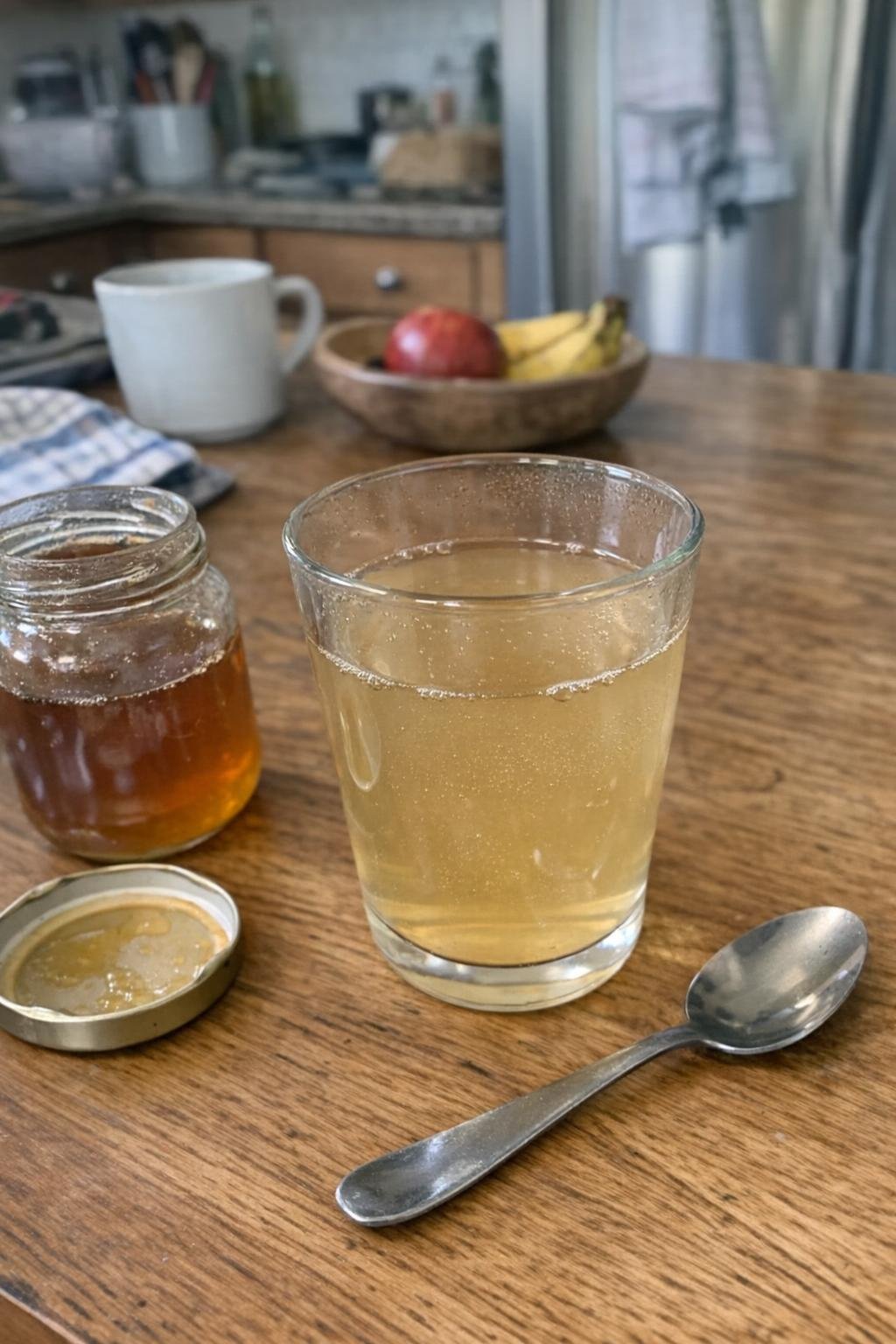
Mix 1 teaspoon raw honey and 1 teaspoon apple cider vinegar into 8 ounces of warm water. Drink it in the morning before breakfast or alongside it. The honey softens the sharpness of the vinegar, making it much easier to drink, and many people like this combination as a wake-up tonic that feels lighter than juice.
It is not magic, but it can be a pleasant ritual. Use a straw if you are worried about acidic drinks on your teeth, and skip it if vinegar aggravates reflux or an irritated stomach.
17. Cracked winter heels
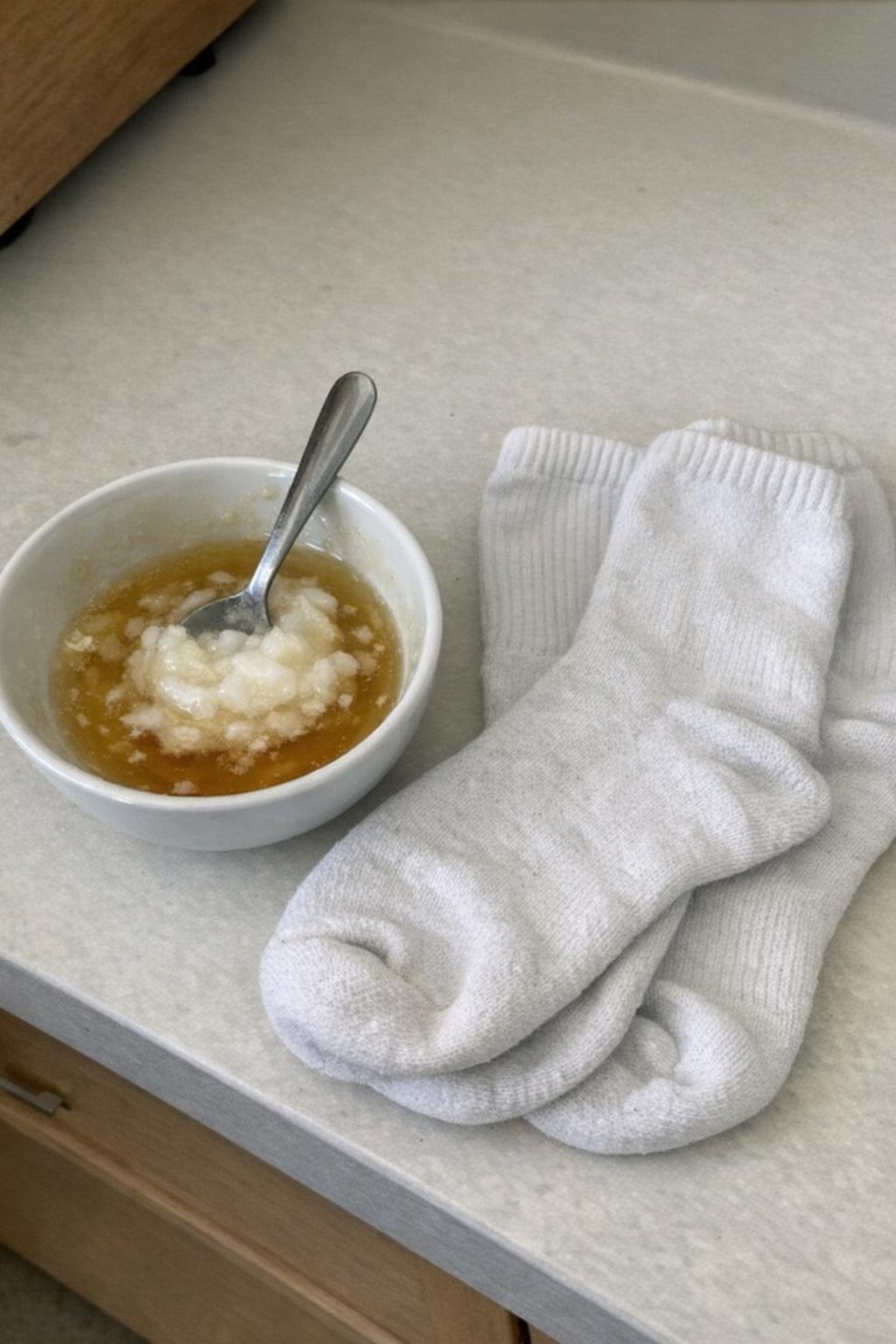
Mix 1 tablespoon raw honey with 1 tablespoon coconut oil, smooth a thin layer over clean heels, then put on cotton socks and leave it overnight. Honey helps draw in moisture, and coconut oil seals it in, which is especially helpful when winter air and indoor heat leave feet rough and split-prone.
Do this 2 to 3 nights a week, and exfoliate gently with a washcloth after bathing if needed. If heel cracks are deep, bleeding, very painful, or you have diabetes, get professional advice instead of relying on home care alone.
18. Honey in herbal tea for a rough morning after
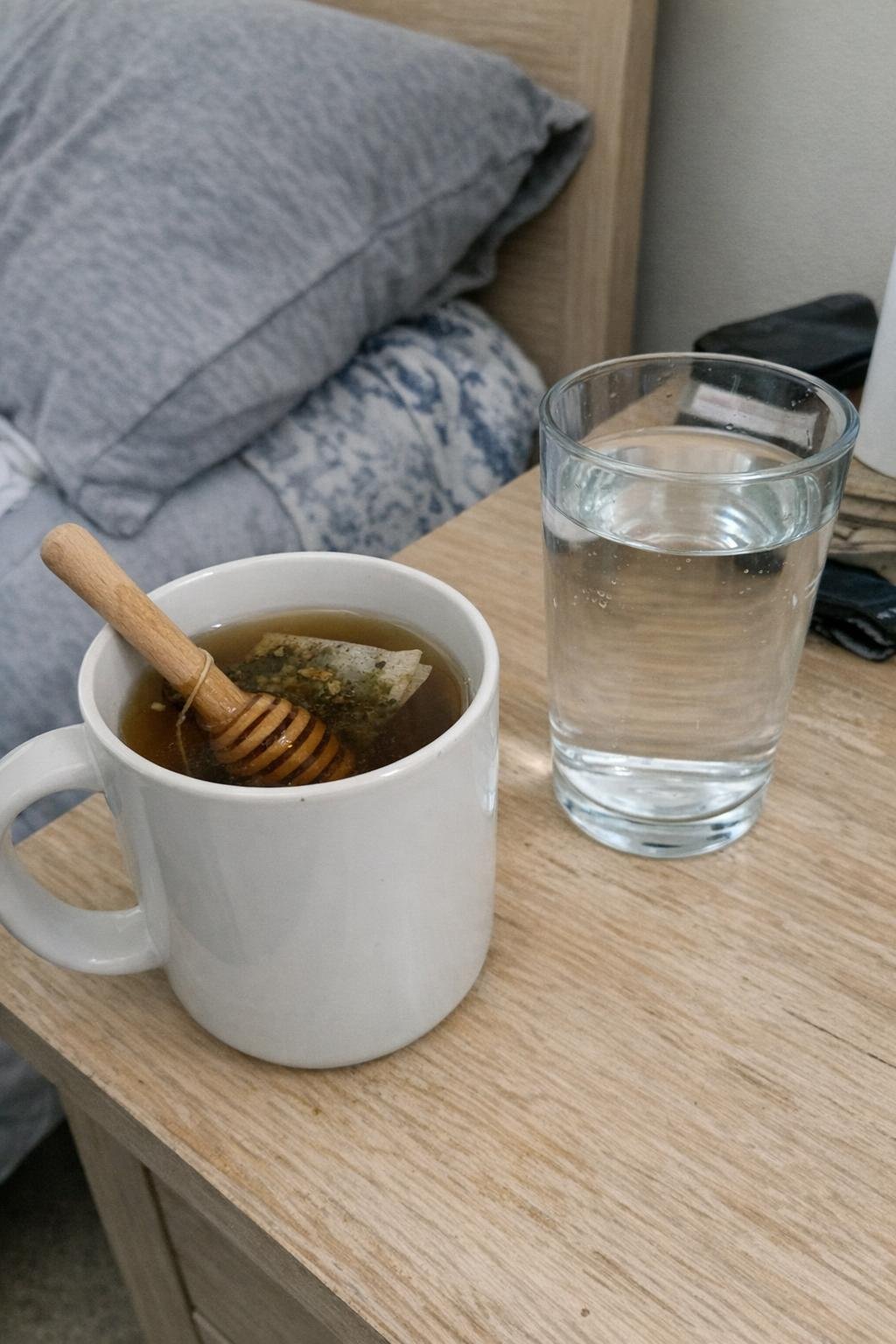
Stir 1 to 2 teaspoons raw honey into a mug of warm herbal tea, such as ginger or peppermint, and drink it along with a full glass of water. If you wake up feeling dry and sluggish after a late night, the biggest need is fluids, and honey can make those fluids more appealing. Its fructose content may also help your body process alcohol byproducts a bit more efficiently, though hydration is the real star here.
I keep this one very plain: tea, honey, water, maybe toast. If there is severe vomiting, confusion, or signs of alcohol poisoning, skip the home remedy and seek emergency help.
19. Swap honey for sugar in coffee and baking
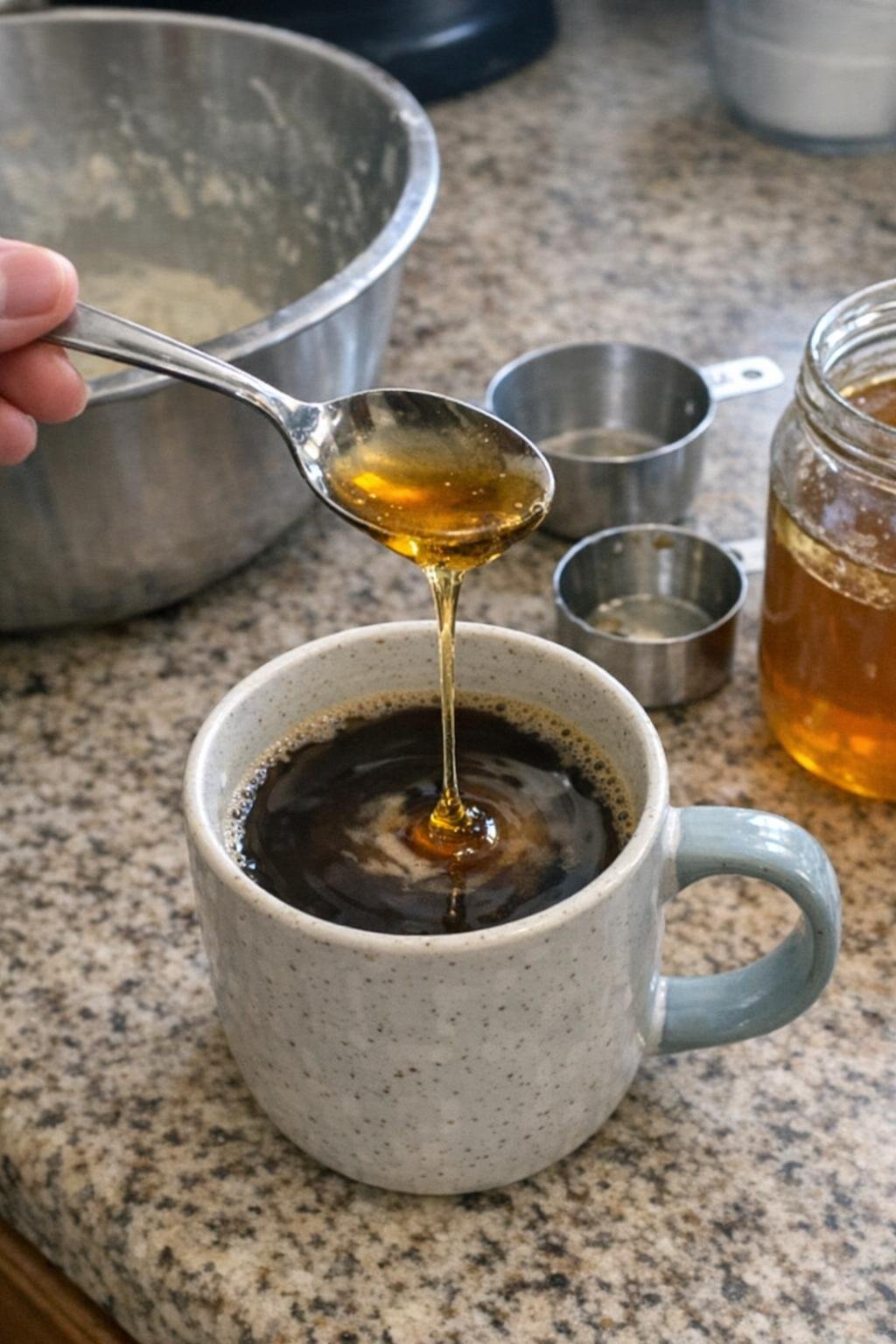
In coffee or tea, use about 3/4 teaspoon honey for every 1 teaspoon sugar, then adjust to taste. In baking, replace 1 cup sugar with 3/4 cup honey, and reduce the other liquids in the recipe by about 1/4 cup because honey adds moisture. You will usually want to lower the oven temperature by 25 degrees Fahrenheit as well, since honey browns faster than sugar.
I use this especially in muffins, quick breads, and spice cakes, where honey’s flavor adds something pleasant instead of disappearing. Remember that honey is still sugar nutritionally, even if it brings a few more natural compounds along with it.
20. Keep a jar on the counter and revive crystallized honey
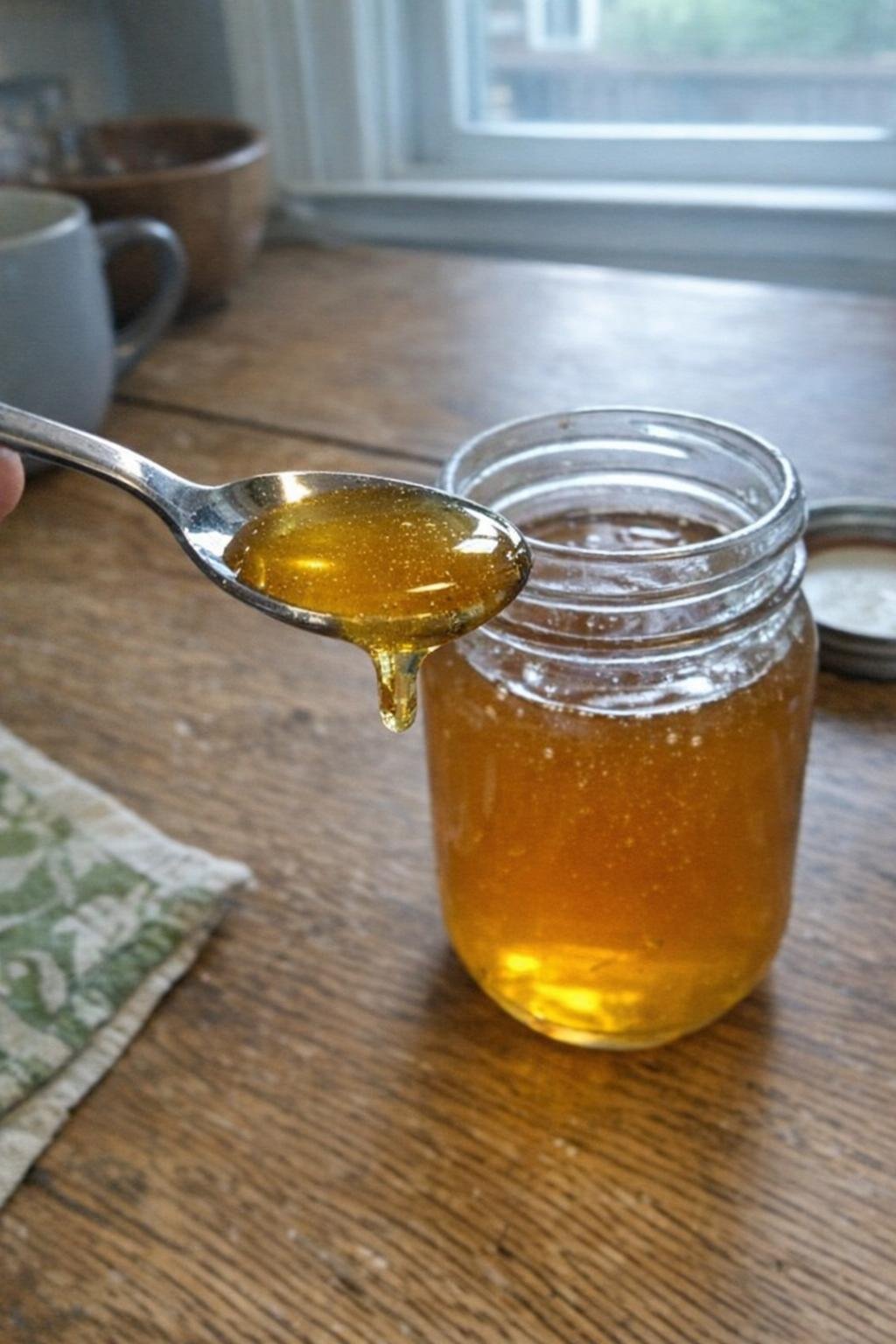
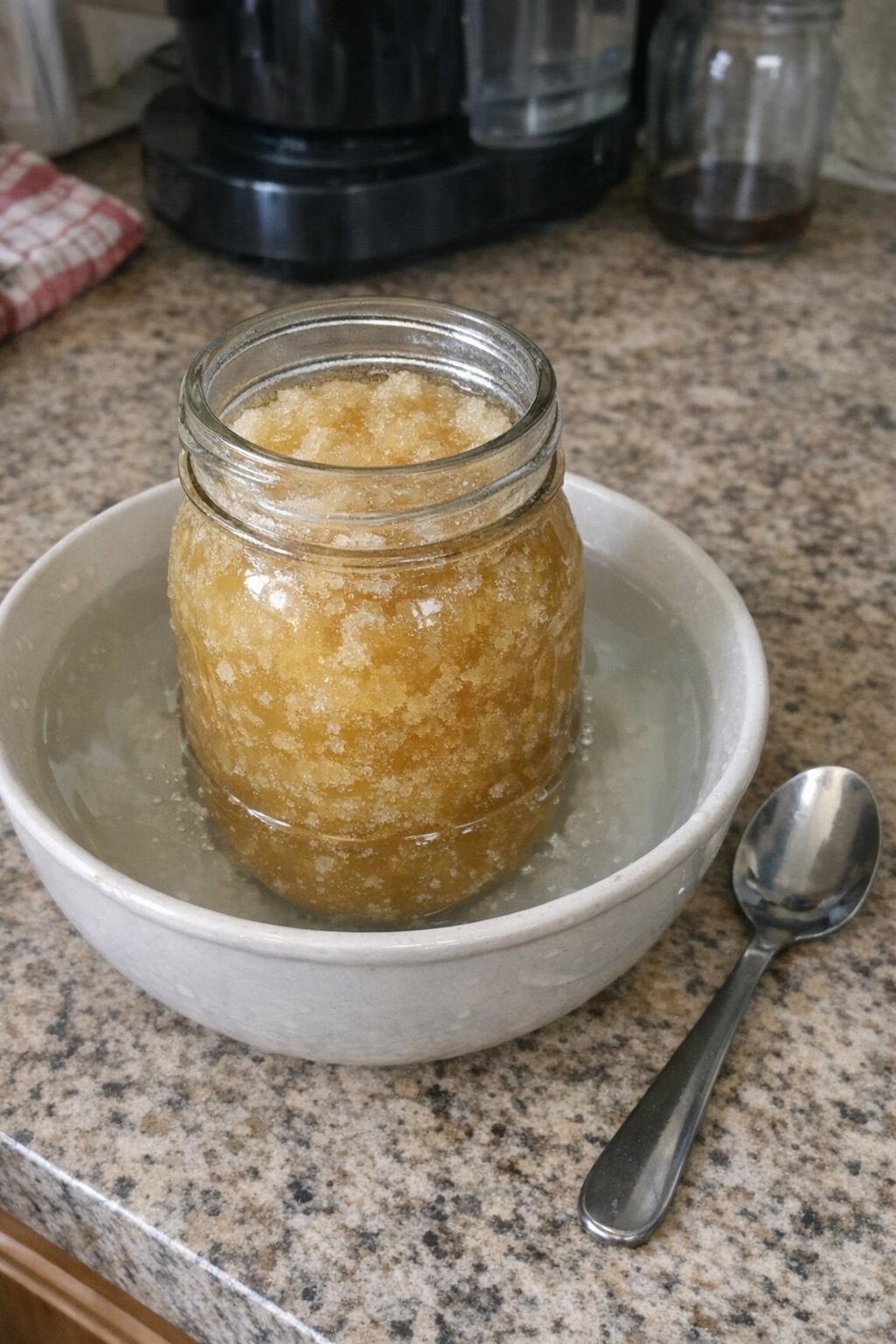
Store raw honey tightly closed at room temperature, away from direct sun and the stove. A cool pantry or a shaded counter is ideal. Properly stored honey keeps for a very long time because its low moisture content naturally discourages spoilage. If it crystallizes, that does not mean it is bad; it just means the natural sugars have formed crystals.
To reliquefy it, set the jar in a bowl of warm water for 10 to 20 minutes, stirring gently if needed. Do not microwave it in the plastic container or blast it with boiling water. Slow warmth works best and preserves the texture and flavor.
A simple jar of raw honey can do quite a lot, from easing a rough throat to adding shine to hair to making an evening routine feel a little calmer. Used thoughtfully, in the right amounts and with the right safety limits, it earns its place in the kitchen just as much as in the medicine cabinet drawer.