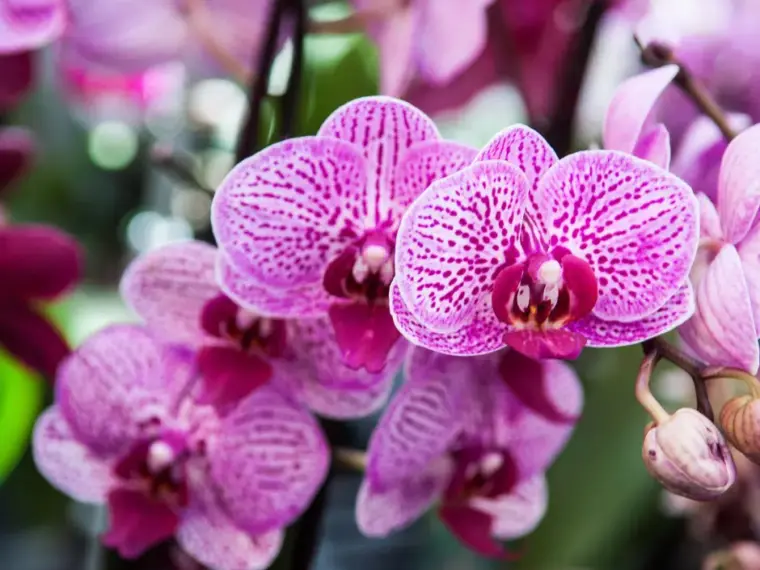
Orchids are among the most breathtaking plants in the world. With their graceful arching stems, glossy leaves, and long-lasting exotic blooms, they add elegance to any home or garden.
Their flowers can last for weeks or even months, making them prized both as gifts and as collector’s plants. Yet despite their beauty, many home growers find orchids frustrating.
After that first flush of blooms fades, the plant often seems to languish, refusing to flower again or producing weak, shriveled roots.
The truth is that orchid success requires more than just light and water. Orchids grown indoors – especially in bark, moss, or airy media – don’t have access to the natural nutrients they’d receive in the wild. Nutrition is the missing key.
While commercial orchid fertilizers are widely available, they are often pricey, chemical-heavy, and intimidating to beginners. Luckily, there’s an easier and more sustainable solution: homemade orchid fertilizer.
With just 1 cup per month of the right natural blend, you can nourish your orchids, strengthen their roots, and keep them blooming consistently year after year.
Understanding Orchid Nutrition
Why Orchids Need Fertilizer
Most houseplants grow in soil, which provides a reservoir of nutrients. Orchids are different: they are epiphytes, growing on trees or rocks in the wild.
Their roots absorb nutrients from rainwater, decomposing leaves, bird droppings, and other organic matter around them.
When kept in pots filled with bark, moss, or perlite, orchids get little to no nutrition from their substrate.
Without supplemental feeding, orchids will:
- Produce fewer or no flowers.
- Develop pale, yellowing leaves.
- Grow brittle, shriveled, or darkened roots.
- Become more vulnerable to pests and fungal diseases.
Consistent fertilization mimics the gentle nutrient trickle orchids receive in their native environments.
The Key Nutrients for Orchids
To thrive, orchids need a balanced diet of macro- and micronutrients:
- Nitrogen (N): Encourages lush leaf and stem growth. Essential for photosynthesis.
- Phosphorus (P): Promotes strong root development and flower production.
- Potassium (K): Improves overall vigor, strengthens cells, boosts resistance to disease.
- Calcium: Supports root tips and prevents cell collapse in leaves.
- Magnesium: Integral to chlorophyll production for greener leaves.
- Micronutrients: Iron, manganese, zinc, and copper are needed in trace amounts for enzyme and metabolic activity.
A good homemade fertilizer provides these elements in a gentle, slow-release way that won’t overwhelm sensitive orchid roots.
Homemade Orchid Fertilizer Recipes
Here are several recipes using simple household items. They are inexpensive, safe, and effective when used sparingly.
1. Banana Peel Fertilizer
Nutrients: High in potassium and phosphorus.
How to Make:
- Chop up 1–2 banana peels.
- Boil in 1 liter of water for 15 minutes.
- Let cool, strain, and use 1 cup per orchid monthly.
Best For: Boosting flowering cycles.
2. Rice Water Fertilizer
Nutrients: Trace nitrogen, B vitamins, minerals.
How to Make:
- Rinse uncooked rice in water.
- Collect the milky water.
- Apply 1 cup per orchid once a month.
Best For: General maintenance and gentle root support.
3. Used Tea Fertilizer
Nutrients: Tannins, nitrogen, trace minerals.
How to Make:
- Steep 1 used tea bag in 1 liter of water.
- Cool and pour 1 cup monthly at the roots.
Best For: Strengthening leaves and root health.
4. Epsom Salt Solution
Nutrients: Magnesium and sulfur.
How to Make:
- Dissolve 1 teaspoon Epsom salt in 1 liter of water.
- Feed once a month, alternating with other recipes.
Best For: Intensifying leaf color and flower vibrancy.
5. Potato Water Fertilizer
Nutrients: Rich in potassium, calcium, phosphorus.
How to Make:
- Boil potatoes (unsalted).
- Save the water, let cool, strain.
- Apply 1 cup monthly.
Best For: Root development and flower spikes.
6. Aloe Vera Tonic (Optional)
Nutrients: Contains enzymes, natural hormones, and micronutrients.
How to Make:
- Blend 1 tablespoon fresh aloe gel with 1 liter of water.
- Apply monthly, alternating with other fertilizers.
Best For: Healing stressed orchids and stimulating growth.
Pro Tip: Rotate between these recipes so your orchids receive a full spectrum of nutrients without overloading on one type.
How to Fertilize Orchids: Step by Step
- Water First: Moisten the orchid with plain water before applying fertilizer. This prevents root burn.
- Measure Carefully: Use only 1 cup per plant. Orchids prefer light feeding.
- Apply to Roots: Pour fertilizer into the potting medium, ensuring roots absorb it.
- Avoid Leaves and Flowers: Fertilizer on leaves can cause spotting. Wipe off if splashed.
- Flush Monthly: Every 6–8 weeks, rinse the pot with clear water to prevent salt buildup.
Common Fertilizing Mistakes
- Using salted cooking water: Salt kills orchids. Never use pasta or salted potato water.
- Overfeeding: Orchids need diluted, regular nutrition, not heavy doses.
- Using strong compost tea: Too harsh for orchid roots.
- Feeding during dormancy: Some orchids rest in winter and should not be fertilized.
Seasonal Fertilizing Guide
- Spring: New shoots appear. Use nitrogen-rich recipes (rice water, tea water) to encourage leafy growth.
- Summer: Peak bloom period. Emphasize potassium- and phosphorus-rich fertilizers (banana peel, potato water).
- Fall: Continue feeding monthly, but taper down as growth slows.
- Winter: Pause or reduce feeding. For Phalaenopsis that bloom in winter, fertilize lightly.
Other Orchid Care Tips for Year-Round Blooms
Light
- Bright, indirect sunlight is best. East- or south-facing windows are ideal.
- Supplement with grow lights in winter.
Watering & Humidity
- Water weekly in summer, less in winter.
- Use rainwater or distilled water if possible.
- Maintain 50–70% humidity with trays, grouping, or humidifiers.
Airflow & Temperature
- Provide gentle air circulation to avoid fungal disease.
- Orchids thrive at 65–75°F (18–24°C) by day, 55–65°F (13–18°C) at night.
- A nighttime drop in temperature can trigger flower spikes.
Pruning & Repotting
- Trim flower spikes above a node after blooming to encourage reblooming.
- Repot every 1–2 years into fresh medium (bark, moss, or mix).
FAQs
Can I fertilize orchids with coffee grounds?
Only as compost tea – direct grounds are too acidic.
How long does homemade fertilizer last?
Use within 24–48 hours to avoid fermentation.
Can I mix recipes together?
Better to alternate monthly for balance.
Do all orchids need fertilizer?
Yes, but adjust amounts for species. Phalaenopsis orchids thrive on consistent feeding.
Orchids may appear delicate, but with the right nutrition and care, they can bloom beautifully year after year.
Instead of spending money on chemical fertilizers, you can harness everyday kitchen ingredients like banana peels, rice water, and potato water to make your own gentle, effective orchid fertilizer