Winter gardening presents unique challenges, primarily due to the harsh weather conditions that can threaten the survival of plants. Mulching is one of the most effective techniques to protect your garden during winter, as it helps to insulate the soil, retain moisture, and suppress weeds. However, traditional mulching methods may not always suffice or be readily available.
To help you navigate these challenges, we’ve compiled a list of 10 unconventional yet effective mulching hacks. These hacks utilize materials that are often overlooked or discarded, turning them into valuable resources for winter gardening. By employing these strategies, you can ensure your garden remains healthy and productive even in the coldest months.
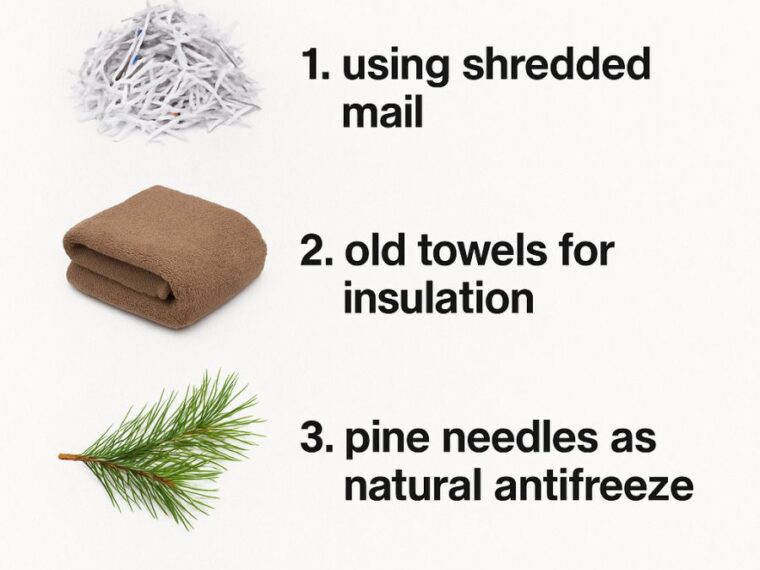
1. Shredded Mail as Mulch
Instead of tossing away that pile of junk mail, consider shredding it and using it as mulch. Shredded paper acts as an excellent insulator, retaining heat in the soil and protecting plant roots from freezing temperatures. Spread a layer of shredded mail approximately 2-3 inches thick around your plants, taking care to avoid direct contact with stems to prevent rot.
Ensure the paper is ink-free or has soy-based ink to avoid potential chemical leaching into the soil. As the paper breaks down, it adds organic matter to the soil, improving its quality over time.
2. Insulating with Old Towels
Old towels can serve as a fantastic insulating layer for your garden beds. Simply lay them over the soil to provide an extra barrier against the cold. Towels are particularly useful for covering delicate plants that might not withstand frost. Layer the towels over the plants during particularly cold nights, and remove them during the day to allow for sunlight and air circulation.
This method is both cost-effective and environmentally friendly, repurposing materials that might otherwise end up in a landfill.
3. Pine Needles as Natural Antifreeze
Pine needles are a natural choice for winter mulching due to their ability to lock in moisture and regulate soil temperature. Spread a layer of pine needles about 3-4 inches thick around your plants. Their acidity levels can help prevent the growth of mold and other fungi, which is particularly beneficial during the damp winter months.
Pine needles also allow for good air circulation, reducing the risk of suffocating the soil and roots beneath them. They are a sustainable option, especially if you have pine trees nearby.
4. Coffee Grounds to Enhance Soil Warmth
Used coffee grounds are a great mulch option for winter gardens. They help to increase the soil’s acidity, which can be beneficial for acid-loving plants like blueberries and azaleas. Spread a thin layer, about half an inch thick, to avoid compacting the soil.
Coffee grounds also retain heat well, which helps to keep the soil warm during colder months. As they decompose, they release nitrogen into the soil, providing a nutrient boost for your plants.
5. Seashells for Reflective Heat
Seashells might not be the first material you think of for mulching, but they can be quite effective. Crushed seashells reflect sunlight, helping to keep the soil warm during the day. Spread a layer of crushed seashells approximately 2 inches thick over your garden beds.
The calcium carbonate in seashells also gradually breaks down, enriching the soil with calcium, which is essential for plant growth. This method is ideal for gardeners living near the coast, where seashells are more readily available.
6. Using Straw Bales for Wind Protection
Straw bales can be strategically placed around your garden to act as windbreaks, shielding plants from harsh winter winds. Arrange the bales in a perimeter around vulnerable plants or garden beds.
In addition to wind protection, straw bales provide insulation and can be used as mulch by spreading the straw over the soil. This dual-purpose use makes them a versatile addition to your winter gardening toolkit.
7. Bubble Wrap for Tender Plants
Bubble wrap isn’t just for packaging—it can also provide excellent insulation for tender plants. Wrap bubble wrap around plant stems or small trees to protect them from frost. Secure the wrap with twine or garden tape, ensuring there is still some airflow to prevent moisture build-up.
For best results, use bubble wrap on plants that are particularly sensitive to cold, and remove it during warmer days to allow the plants to breathe.
8. Hair Clippings for Extra Nutrients
Human or pet hair clippings can be used as a nutrient-rich mulch. Hair is high in nitrogen, which is essential for plant growth. Spread a thin layer of hair clippings around your plants. As the hair breaks down, it releases nitrogen into the soil, enriching it.
Make sure not to use too much hair, as it can form a mat that blocks water and air from reaching the soil. A light sprinkling is sufficient to gain the benefits without the drawbacks.
9. Cardboard Layering for Weed Suppression
Cardboard is an effective mulch for suppressing weeds. Lay flat pieces of cardboard over your garden beds, overlapping the edges to ensure full coverage. Wet the cardboard to help it conform to the soil and stay in place.
Cover the cardboard with a layer of organic mulch, like straw or leaves, to weigh it down and improve its appearance. This method blocks sunlight from reaching weed seeds, preventing germination while keeping the soil warm and moist.
10. Removing Mulch During Midwinter Thaws
While mulching is crucial for winter protection, there are times when removing it is beneficial. During midwinter thaws, when temperatures temporarily rise, removing some of the mulch can prevent the soil from becoming too warm, which might trigger premature plant growth.
Monitor weather forecasts and remove mulch in areas where plants are more likely to break dormancy during these warm spells. Once temperatures drop again, reapply the mulch to protect the plants from returning cold conditions.