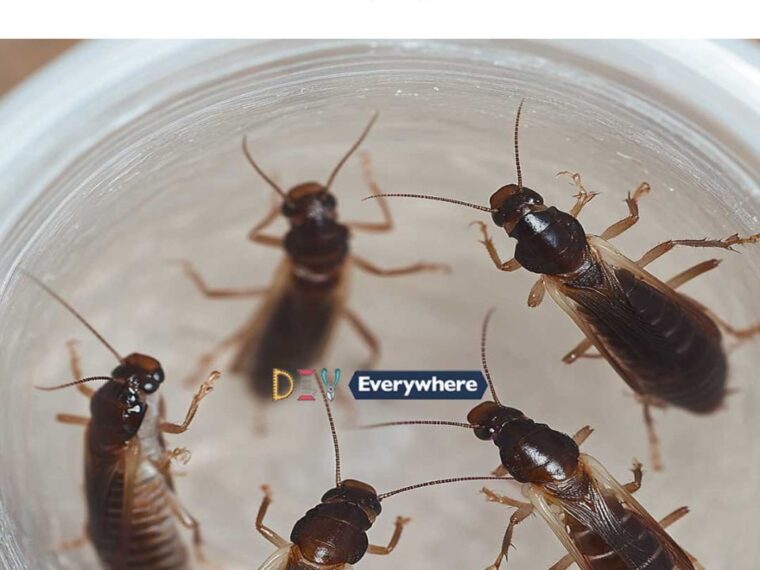
Earwigs, those small, elongated insects with pincers on their rear, can be a common sight in gardens and around potted plants. While their appearance might be unsettling, they are generally harmless to humans. However, earwigs can become a nuisance when they invade your pots and start feeding on your plants. They are nocturnal creatures, often hiding in dark, damp places during the day and emerging at night to feed on decaying plant matter, seedlings, and even live plants. Understanding their behavior and habitat preferences is crucial in managing their presence effectively.
Identifying Earwigs: What to Look For
Earwigs are easily identifiable by their elongated bodies, which can range from brown to black, and their distinctive forceps-like pincers at the end of their abdomen. Adult earwigs can grow up to 25 mm in length. They have two pairs of wings, but they rarely fly. During the day, they can be found hiding under pots, mulch, or stones, and they are more active at night. If you notice small holes in the leaves of your plants or see the insects themselves, you might be dealing with an earwig problem.
The Importance of Addressing Earwig Infestations
While earwigs can help control other pest populations by feeding on aphids and other insects, they can also cause significant damage to young plants and seedlings. In large numbers, they can decimate foliage, leaving plants vulnerable and stunted. Addressing an earwig infestation promptly is important to maintain the health and aesthetics of your garden. Moreover, controlling their population can prevent them from moving indoors, where they might become a nuisance.
DIY Trap 1: Oil and Soy Sauce Mixture
One effective method to trap earwigs is using a mixture of oil and soy sauce. Fill a shallow container with equal parts of vegetable oil and soy sauce. The soy sauce attracts the earwigs with its scent, while the oil traps them. Place the container near your pots or in areas where you notice earwig activity. Check the trap daily and dispose of any captured earwigs. This method is simple, cost-effective, and non-toxic.
DIY Trap 2: Rolled-Up Newspaper Trick
Another simple trap involves using a rolled-up newspaper. Earwigs are attracted to dark, damp places, making a moist newspaper an ideal hiding spot. Roll up a newspaper, dampen it slightly, and place it near your pots in the evening. In the morning, check the newspaper for earwigs and dispose of them by shaking them into a bucket of soapy water. This method is environmentally friendly and easy to implement.
DIY Trap 3: Diatomaceous Earth Barrier
Diatomaceous earth is a natural powder made from the fossilized remains of tiny, aquatic organisms called diatoms. It is an effective barrier against earwigs. Sprinkle a thin layer of diatomaceous earth around the base of your pots and plants. When earwigs crawl over it, the powder damages their exoskeleton, leading to dehydration and death. Be sure to reapply after rain or watering, as moisture reduces its effectiveness.
DIY Trap 4: Alcohol and Water Spray
A mixture of alcohol and water can be used as a spray to deter earwigs. Combine equal parts of rubbing alcohol and water in a spray bottle. Spray this mixture directly on earwigs or in areas where they are commonly found. The alcohol acts as a desiccant, drying out the earwigs. Use this spray with caution, as it can also harm plants if applied excessively.
DIY Trap 5: Light and Water Trap
Earwigs are attracted to light, making a light and water trap an effective solution. Fill a shallow pan with water and add a few drops of dish soap. Place a light source above the pan at night. The earwigs will be attracted to the light, fall into the soapy water, and drown. This method is particularly useful for outdoor areas where electricity is accessible.
DIY Trap 6: Boric Acid Solution
Boric acid is a natural insecticide that can be used to control earwig populations. Mix boric acid with water to create a solution and apply it around the base of your pots and in areas where earwigs are active. The boric acid acts as a stomach poison to the earwigs. However, use this method with caution, as boric acid can be harmful to pets and beneficial insects.
Conclusion: Maintaining an Earwig-Free Environment
Once you’ve managed to control the earwig population around your pots, it’s important to maintain an environment that discourages their return. Keep your garden tidy by removing debris and excess mulch where earwigs might hide. Ensure proper drainage to avoid creating damp areas that attract them. Regularly inspect your plants for signs of earwig activity and reapply your chosen methods as needed. By staying vigilant and proactive, you can enjoy a healthy, earwig-free garden.