In the realm of first aid and minor wound care, iodine tincture has stood the test of time as a staple in medicine cabinets worldwide. Known for its antiseptic properties, iodine tincture is often reached for when scrapes and cuts occur. However, despite its widespread use, many individuals are not using this potent solution correctly, potentially reducing its effectiveness or causing unnecessary irritation.
It’s important to understand the best practices for using iodine tincture, from application techniques to safety precautions. By doing so, you can ensure that you’re maximizing its benefits while minimizing any potential risks. This article will guide you through the right way to use iodine tincture, helping you avoid common pitfalls and making sure you are getting the most out of this essential antiseptic.
1. Understanding Iodine Tincture: What It Is and Why It Matters
Iodine tincture is a solution of iodine in alcohol, typically available in concentrations of 2% iodine and 47% alcohol. This mixture is known for its ability to kill bacteria, fungi, and viruses, making it a powerful antiseptic for cleaning wounds. The alcohol serves as a solvent and also enhances the penetration of iodine into the skin, increasing its effectiveness.
The use of iodine as an antiseptic dates back to the 19th century, and it remains a preferred choice in many medical settings. Its ability to rapidly reduce microbial load on the skin makes it invaluable in preventing infection in minor cuts and abrasions. However, its use is not limited to wound care; iodine tincture also plays a role in other skin-related applications, which we will explore further in this article.
2. Common Mistakes: What Most People Get Wrong
One of the most common mistakes people make when using iodine tincture is applying too much of it. Many believe that more is better, but in reality, a small amount is sufficient for effective antiseptic action. Over-application can lead to skin irritation or staining.
Another frequent error is not allowing the iodine to dry sufficiently before bandaging the wound. This can trap moisture against the skin, providing a breeding ground for bacteria. Additionally, some individuals mistakenly mix iodine tincture with other antiseptics like hydrogen peroxide, which can reduce its effectiveness and cause skin irritation.
3. How to Properly Apply Iodine Tincture to Scrapes
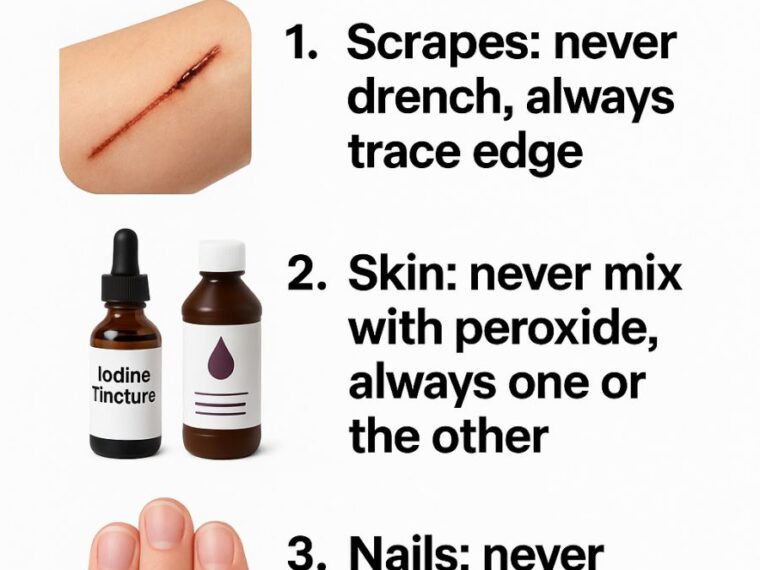
To correctly apply iodine tincture to a scrape, start by cleaning the wound with soap and water to remove any debris. Pat the area dry with a clean towel. Using a cotton ball or swab, apply a thin layer of iodine tincture directly to the wound, ensuring full coverage but avoiding excess dripping.
Allow the tincture to air dry completely before covering the area with a sterile bandage. This ensures that the iodine has time to exert its antimicrobial effects and minimizes the risk of moisture-related complications.
4. Using Iodine Tincture on Skin: Avoid Mixing with Peroxide
While both iodine tincture and hydrogen peroxide are effective antiseptics, they should not be used together. Mixing these two can lead to chemical reactions that reduce their effectiveness and potentially irritate the skin. Stick to one antiseptic per application to ensure optimal efficacy.
If you have used hydrogen peroxide initially to clean a wound, allow it to dry completely before applying iodine tincture. This sequential application can help maximize the benefits of both without the risk of interaction.
5. Nail Care: The Right Way to Use Iodine Tincture
Iodine tincture can also be used as a treatment for nail fungus. To do this, clean the affected nails thoroughly and trim them back as much as possible. Apply a small amount of iodine tincture to the nail and the surrounding skin, making sure to cover all affected areas.
Allow the tincture to dry completely before putting on socks or shoes. This treatment should be repeated daily, and while it may take several weeks to see improvement, iodine tincture can be an effective remedy for fungal infections.
6. Treating Cuts: Why Less Is More with Iodine Tincture
When treating cuts, it’s important to remember that less is more with iodine tincture. Applying a thin layer is sufficient to kill most bacteria, and using too much can lead to skin irritation or damage. Focus on even coverage rather than volume.
After applying iodine, let it dry completely before applying any dressing. This ensures that the antiseptic has had time to work and reduces the risk of trapping excess moisture under the bandage.
7. The Importance of Allowing Iodine to Dry Fully
Allowing iodine tincture to dry fully is crucial for its effectiveness. When iodine is wet, it can be easily wiped away or diluted, reducing its antimicrobial properties. Drying also helps prevent irritation and staining of clothing or bedding.
To ensure proper drying, apply iodine in a well-ventilated area and wait at least 1-2 minutes before covering the treated area. This patience pays off by maximizing iodine’s protective barrier against infection.
8. Choosing the Right Iodine Tincture for Your Needs
When selecting an iodine tincture, consider the concentration and formulation. A 2% iodine solution is common for general use, but higher concentrations are available for more severe applications. Be mindful of the alcohol content, as higher concentrations can be more drying to the skin.
Additionally, if you have sensitive skin, look for iodine tinctures with added emollients, which can help minimize irritation while maintaining antiseptic properties.
9. Viral Hacks: Separating Fact from Fiction
There are many viral hacks online claiming various uses for iodine tincture, from whitening teeth to curing acne. It’s important to approach these claims with skepticism and stick to medically-approved uses. Iodine is not meant for ingestion or application on mucous membranes.
Always consult with a healthcare provider before trying unconventional uses of iodine tincture to avoid adverse effects or ineffective treatment outcomes.
10. Safety Precautions When Using Iodine Tincture
While iodine tincture is generally safe for topical use, it should not be used on large wounds or severe burns. Prolonged exposure can lead to iodine toxicity, which can cause symptoms such as skin irritation, thyroid dysfunction, or allergic reactions.
Avoid using iodine tincture if you are allergic to iodine or are pregnant, as excessive absorption can affect fetal development. Always patch test a small area if using iodine tincture for the first time, and discontinue use if irritation occurs.
11. Frequently Asked Questions About Iodine Tincture
Many people have questions about the use of iodine tincture, such as whether it should sting upon application. A mild stinging sensation is normal, but intense pain should not occur. If it does, rinse the area with water and discontinue use.
Another common question is whether iodine tincture can be used on pets. While it can be used in small amounts on animals, it’s best to consult with a veterinarian for appropriate treatment options tailored to your pet’s needs.