Brushing your teeth is one of those daily rituals that we all engage in, yet surprisingly, many of us may not be doing it quite right. While it might seem like a simple task, effective tooth brushing requires more than just swiping a brush back and forth a few times. Proper technique is essential to ensure that your teeth and gums remain healthy, preventing cavities, gum disease, and other oral health issues.
In this article, we’ll delve into the common mistakes people make while brushing their teeth and provide expert-backed advice on the correct methods. From the timing of your brushing to the type of toothbrush you should use, and even the role of diet in oral hygiene, we’ve got all the information you need to enhance your dental care routine.
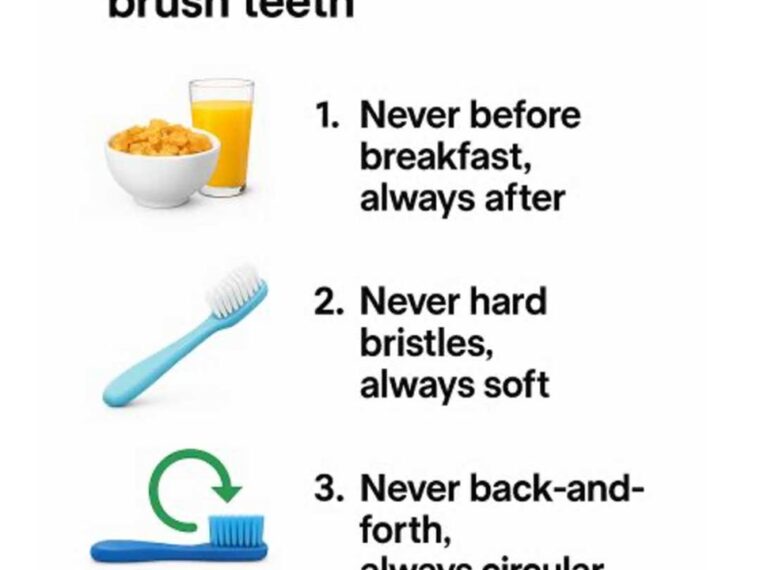
1. Why Timing Matters: Brush After Breakfast
Many people start their day by brushing their teeth as soon as they wake up. However, dental experts recommend brushing after breakfast instead. This is because eating first can expose your teeth to acids that soften the enamel temporarily. Brushing immediately after eating can help remove these acids and prevent them from lingering on your teeth, causing erosion over time.
It’s crucial to wait about 30 minutes after eating before brushing to allow your enamel to re-harden after being softened by acidic foods or beverages. This waiting period gives your saliva time to neutralize acids and remineralize your enamel, making it safer to brush.
2. Choose the Right Tools: Soft Bristles Only
When it comes to toothbrushes, softer is better. Hard or even medium bristles can be too abrasive and may damage your tooth enamel and gums over time. Soft-bristled toothbrushes are effective at removing plaque and debris without causing harm.
Additionally, the size and shape of the toothbrush head matter. It should be small enough to reach all areas of your mouth comfortably. Electric toothbrushes with soft bristles are often recommended for their ability to provide consistent pressure and thorough cleaning.
3. Master the Technique: Circular Motions Over Back-and-Forth
The technique you use while brushing is crucial for effective cleaning. Instead of the common back-and-forth motion, dental professionals recommend using small, circular motions. This technique helps remove plaque more effectively and reduces the risk of damaging your gums.
Hold your toothbrush at a 45-degree angle to your gums and gently brush in circles, ensuring you cover all surfaces of each tooth. Be sure to brush the outer, inner, and chewing surfaces, as well as your tongue, to remove bacteria and freshen your breath.
4. The Secret to Fluoride: Don’t Rinse After Brushing
Fluoride is a key ingredient in toothpaste that helps strengthen tooth enamel and prevent decay. To maximize its benefits, avoid rinsing your mouth immediately after brushing. This allows the fluoride to remain on your teeth longer, enhancing its protective effects.
If you feel the need to rinse after brushing, consider using a fluoride mouthwash instead of water. This way, you can still enjoy the fresh, clean feeling without washing away the fluoride.
5. How Long Should You Brush? The Two-Minute Rule
The American Dental Association recommends brushing your teeth for at least two minutes, twice a day, to ensure a thorough clean. Many people underestimate the time they spend brushing, often falling short of the recommended duration.
Consider using a timer or an electric toothbrush with a built-in timer to help you keep track. Divide your mouth into quadrants and spend about 30 seconds on each section to ensure every area receives adequate attention.
6. The Importance of Replacing Your Toothbrush Regularly
Toothbrushes don’t last forever, and using an old brush can be ineffective and even harmful. Over time, the bristles become frayed and less effective at cleaning. Dental experts recommend replacing your toothbrush every three to four months, or sooner if the bristles become worn.
Also, consider replacing your toothbrush after recovering from an illness, as germs can linger on the bristles and potentially lead to reinfection.
7. Floss First: Why It Matters
Flossing before brushing can help dislodge food particles and plaque from between your teeth, making it easier for your toothbrush to reach those areas. By removing debris from between your teeth first, you’re setting the stage for a more effective brushing session.
Flossing also helps to prevent gum disease by removing plaque and bacteria from places your toothbrush can’t reach. Be sure to use a gentle sawing motion and curve the floss around each tooth to clean effectively without damaging your gums.
8. The Role of Mouthwash: When and How to Use It
Mouthwash can be a beneficial addition to your oral hygiene routine, but it’s important to use it correctly. Mouthwash can help reduce plaque, fight bacteria, and freshen your breath, but it shouldn’t replace brushing and flossing.
Use mouthwash after brushing and flossing for best results, swishing it around your mouth for about 30 seconds. Choose a mouthwash that contains fluoride for added protection against cavities, and avoid eating or drinking for about 30 minutes after using it to allow the fluoride to work effectively.
9. Avoiding Common Mistakes: What Not to Do
Some common brushing mistakes include using too much pressure, brushing too quickly, and neglecting certain areas of the mouth. Brushing too hard can lead to gum recession and enamel wear, while rushing through the process can leave plaque and food particles behind.
Avoid using a toothbrush with hard bristles, as they can damage your gums and enamel. Also, remember to brush your tongue and the roof of your mouth to remove bacteria and promote fresh breath.
10. The Impact of Diet on Oral Hygiene
What you eat greatly affects your oral health. Foods and beverages high in sugar and acids can contribute to tooth decay and enamel erosion. It’s important to limit sugary snacks and drinks and opt for healthier options like fruits, vegetables, and dairy products, which can help protect your teeth.
Calcium-rich foods, such as cheese and yogurt, can help strengthen your teeth, while crunchy fruits and vegetables can stimulate saliva production, which naturally cleanses the mouth and neutralizes acids.
11. Beyond Brushing: Other Habits for a Healthy Mouth
Maintaining a healthy mouth involves more than just brushing and flossing. Regular dental check-ups are crucial for preventing and identifying oral health issues early. Aim to visit your dentist at least twice a year for cleanings and examinations
In addition to professional care, staying hydrated is important for oral health. Drinking water helps rinse away food particles and bacteria, while saliva production helps protect against decay. Chewing sugar-free gum can also be beneficial, as it increases saliva flow and helps clean your teeth between meals.