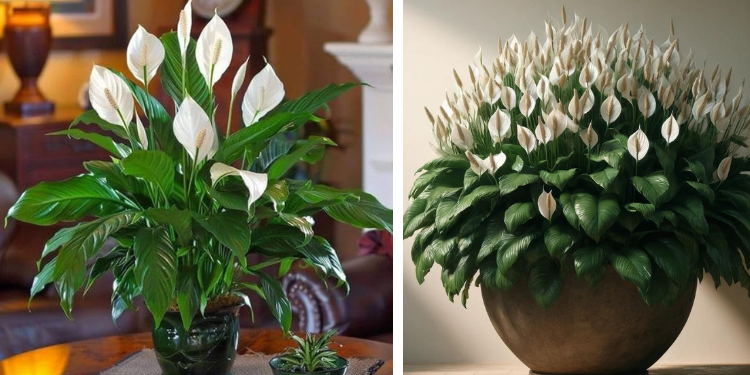
Peace lilies are graceful, easy-care houseplants known for their deep green leaves and striking white flowers.
They’re also among the most popular indoor plants because of their ability to purify air and adapt to different conditions. But like all living plants, peace lilies have seasonal needs.
September is a turning point for your peace lily. The days grow shorter, the light shifts, and temperatures begin to cool.
These subtle environmental changes tell your peace lily that it’s time to slow down. If you give it the right care in September, it will not only stay healthy through autumn and winter but also return with vigor and blooms in spring.
Why September Care Matters for Peace Lilies
Peace lilies are tropical plants native to the understory of rainforests in Central and South America.
In their natural habitat, they experience steady warmth, filtered light, and high humidity.
Indoors, however, they respond to seasonal changes in light and temperature – even in climates where winters are mild.
In September, two things happen:
- Daylight hours shorten, which reduces the plant’s energy production.
- Temperatures begin to drop, especially near windows or drafty spots.
If you continue caring for your peace lily as if it were summer – watering heavily, fertilizing frequently, and keeping it in strong light – the plant may become stressed.
Leaves may yellow, roots may rot, or it may stop blooming altogether. September is the time to transition your care routine to match the plant’s natural slowdown.
1. Adjust Your Watering Routine
Why It Matters
During the summer months, your peace lily grows actively and requires more frequent watering.
But in September, its growth begins to slow, and it no longer needs as much moisture. Overwatering during this period is one of the biggest risks, as it can lead to root rot.
How to Do It
- Check the soil before watering. Insert your finger about an inch deep. If the top inch feels dry, it’s time to water. If it’s still moist, wait a few more days.
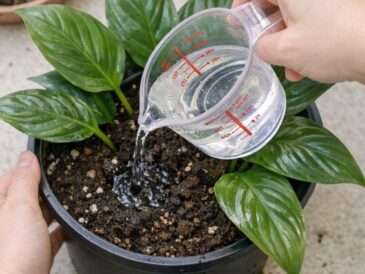
- Water thoroughly but less often. When you do water, let the water soak through the soil until it drains from the bottom. Always empty the saucer to prevent standing water.
- Watch for drooping leaves. Peace lilies are dramatic – they’ll wilt when thirsty but perk up within hours after watering. This makes them one of the easiest plants to “read.”
Pro Tip
Switch to using distilled, filtered, or rainwater if you haven’t already. Tap water often contains fluoride and chlorine, which cause brown tips on leaves.
As growth slows in September, the plant becomes more sensitive to water quality.
2. Reduce Fertilizing
Why It Matters
Peace lilies benefit from regular feeding during their active growing months (spring and summer).
But by September, their nutrient needs decline. Continuing to fertilize heavily can cause salt buildup in the soil, burning roots and leading to yellowing leaves.
How to Do It
- Cut back to once a month or stop fertilizing altogether until spring.
- If you fertilize, use a diluted, balanced houseplant fertilizer (such as 20-20-20).
- Avoid high-nitrogen fertilizers, which push out green leaves but delay flowering.
Pro Tip
Before reducing fertilizer, flush the soil to remove built-up salts. Take the pot to the sink and run water through the soil for a few minutes. Let it drain fully.
This refreshes the root zone and prevents nutrient imbalances.
3. Refresh the Light and Location
Why It Matters
As days shorten in September, the amount of natural light your peace lily receives indoors may decrease dramatically.
A plant that thrived in a corner during summer might not get enough light in autumn. Insufficient light leads to slower growth, pale leaves, and a lack of blooms.
How to Do It
- Move closer to a window. East- or north-facing windows are ideal, providing gentle, indirect light.
- Avoid direct afternoon sun. September sun can still be harsh and may scorch leaves if your peace lily is too close to a west- or south-facing window.
- Supplement with grow lights. If your home is naturally dark, consider using LED grow lights for 8–10 hours a day.
Pro Tip
Rotate the plant every few weeks to ensure even light exposure. This prevents lopsided growth and helps leaves stay uniformly healthy.
4. Clean, Groom, and Repot If Needed
Why It Matters
September is the perfect time to tidy up your peace lily. Dust, dead leaves, and old blooms all sap the plant’s energy.
By cleaning and grooming now, you prepare the plant to go into its slower season healthy and strong.
How to Do It
- Wipe the leaves. Use a damp cloth to remove dust from leaves. Clean leaves absorb more light, which is crucial as daylight decreases.
- Trim dead or yellowing foliage. Cut leaves at the base with sterilized scissors. This keeps the plant looking fresh and prevents disease spread.
- Remove spent blooms. If your peace lily has old flowers turning green or brown, cut the stalks down to the soil line.
- Check the roots. If the plant is root-bound (roots circling the pot or growing through drainage holes), consider repotting into a container one size larger. Use fresh, well-draining soil with peat, perlite, and bark.
Pro Tip
If repotting, do it early in September rather than later in the season. This gives the plant time to settle into fresh soil before growth slows significantly.
5. Prepare for the Blooming Cycle
Why It Matters
Peace lilies naturally bloom in spring and early summer. September is when they begin building energy reserves for next year’s display.
By giving them the right conditions now, you set the stage for strong, healthy blooms.
How to Do It
- Respect the rest period. Don’t expect blooms in fall or winter. Instead, focus on steady care that keeps the plant healthy.
- Maintain steady humidity. Use pebble trays, humidifiers, or group plants together to keep humidity around 50–60%.
- Encourage strong roots. Water properly, avoid overfertilization, and repot if needed. A healthy root system is the foundation of future blooms.
- Use my grandmother’s secret trick. After the plant has rested through fall and early winter, shift into “bloom mode” in late winter or early spring: increase watering, boost light exposure, and feed with a phosphorus-rich fertilizer. This often triggers new flower spikes.
Pro Tip
Don’t move your peace lily around once it’s settled. These plants dislike sudden changes in environment, and stress can delay or reduce blooming.
Troubleshooting Common Peace Lily Problems in September
- Yellow Leaves: Usually from overwatering or fertilizer buildup. Adjust your routine.
- Brown Tips: Often caused by tap water chemicals or low humidity. Switch to distilled water and increase humidity.
- No Blooms: Normal in fall. Focus on rest and preparation for spring blooms.
- Wilting: If soil is wet, it may be root rot. If dry, simply water. Peace lilies communicate clearly!
A Seasonal Care Calendar (September Onward)
- September: Adjust watering, reduce fertilizer, refresh light, groom, and prepare for rest.
- October–February: Keep in bright, filtered light, water sparingly, and maintain humidity. This is the main resting phase.
- March–June: Bloom season! Increase water, fertilize with phosphorus-rich food, and enjoy flowers.
- July–August: Growth slows in heat. Water more carefully and protect from direct summer sun.
By following this rhythm, your peace lily remains in sync with its natural cycle, ensuring long-term health and repeat blooms.
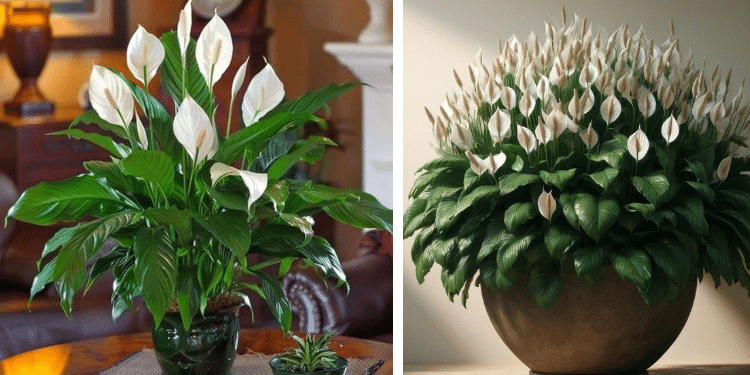
Peace lilies may seem easygoing, but the secret to long-lasting success is seasonal care.
September is the month where you set the tone for the plant’s health through fall and winter.
By adjusting your watering, reducing fertilizer, refreshing its light, grooming carefully, and preparing it for its natural blooming cycle, you’ll keep your peace lily thriving for years to come