For generations, dandelions have been treated as the enemy of a perfect lawn.
Homeowners spend millions on herbicides, endless hours pulling them out, and even more on reseeding grass to keep dandelions away. But what if we’ve been looking at this humble yellow flower all wrong?
The truth is, dandelions are not just weeds – they’re one of the most useful, resilient, and ecologically important plants you can grow.
By leaving dandelions to bloom, you’re not only saving yourself time and effort but also supporting pollinators, enriching your soil, and even giving yourself access to a powerhouse of edible and medicinal benefits.
What Are Dandelions, Really?
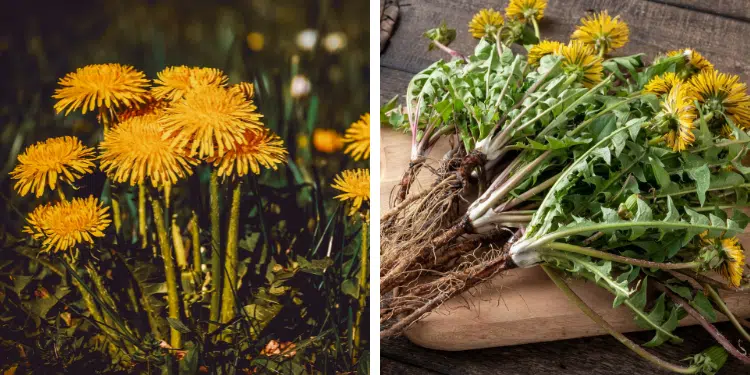
The common dandelion (Taraxacum officinale) is a perennial plant native to Europe and Asia, now widespread across the world.
It’s instantly recognizable by its bright yellow flowers that turn into fluffy seed heads children love to blow.
- Lifespan: Perennial (returns every year).
- Growth habit: Deep taproot with rosette leaves.
- Flowers: Bright yellow, blooming from early spring to late fall.
- Seeds: Wind-dispersed “parachutes” that spread easily.
Dandelions are hardy, adaptable, and thrive in a wide range of soils. And while they may look unruly in manicured lawns, in natural settings they play a vital role.
1. Dandelions Support Pollinators
Dandelions are lifelines for pollinators at critical times of the year. In a world where pollinator populations are rapidly declining due to habitat loss, pesticides, and climate change, these resilient flowers offer an essential food supply.
Early Food Source in Spring
- Dandelions are among the very first flowers to bloom after winter.
- At this time, very few plants are producing nectar or pollen, yet bees and other insects are desperate for food.
- For honeybees emerging from their hives and native solitary bees leaving hibernation, dandelions are often their first meal of the year.
Continuous Bloom Across Seasons
- Unlike many spring flowers that bloom once and fade, dandelions produce flowers repeatedly from early spring through late autumn.
- This makes them an uninterrupted food source, bridging the “hungry gaps” between other flowering plants.
Feeding a Wide Range of Pollinators
- It’s not just honeybees – bumblebees, hoverflies, moths, butterflies, and even beetles flock to dandelions.
- Their large, bright yellow blossoms are highly visible and easy for insects to access.
In an age where pollinator conservation is critical, leaving dandelions in bloom is one of the simplest yet most effective ways to support these vital creatures.
2. Benefits for Soil Health
Dandelions are often misunderstood, but in reality, they’re powerful soil improvers that act like natural “soil engineers.”
Deep Taproots Improve Soil Structure
- Dandelion roots can grow 10–15 inches deep, penetrating hard, compacted soils where other plants can’t survive.
- As the roots push down, they naturally aerate the soil, improving drainage and allowing air and water to reach deeper layers.
Nutrient Mining and Cycling
- These deep taproots also act like nutrient pumps, pulling valuable minerals – such as calcium, potassium, and iron – from subsoil up toward the surface.
- When dandelion leaves die back and decompose, these nutrients are returned to the topsoil, enriching it naturally and providing fertility for surrounding plants.
Erosion Prevention
- Dandelions hold soil in place with their root systems, reducing erosion on bare patches of ground or sloped areas.
- They act as nature’s stabilizers, protecting delicate topsoil from washing away during heavy rains.
In other words, dandelions aren’t degrading your soil – they’re working hard to make it better.
3. Dandelions Are Edible and Nutritious
Dandelions are a superfood hiding in plain sight. Every part of the plant – from leaf to flower to root – is edible and incredibly nutrient-dense.
Leaves
- High in vitamins A, C, K, and minerals like iron, calcium, and magnesium.
- Can be eaten raw in salads for a peppery, slightly bitter flavor or sautéed like spinach.
- Young spring leaves are the most tender and palatable.
Flowers
- Petals can be sprinkled into salads or baked into breads and muffins for color and antioxidants.
- Used traditionally to make dandelion wine and dandelion jelly.
- Infused into honey, vinegar, or tea for added flavor and health benefits.
Roots
- Long taproots can be dried, roasted, and ground into a caffeine-free coffee substitute.
- Rich in inulin, a prebiotic fiber that supports gut health and digestion.
Nutrition Snapshot (per cup of raw leaves)
- Vitamin A: 112% of daily value
- Vitamin C: 32% of daily value
- Calcium: 10% of daily value
- Iron: 9% of daily value
Few “weeds” match the nutritional punch of dandelions, making them one of the most valuable foraged foods in your backyard.
4. Medicinal Uses of Dandelions
Dandelions have been used for centuries in traditional herbal medicine – and modern science is beginning to validate many of these uses.
Digestive Aid
Dandelion root stimulates bile production, which aids digestion and helps the body break down fats more efficiently.
Natural Diuretic
- Promotes urine production, helping the body eliminate excess water while maintaining healthy potassium levels.
- Unlike many pharmaceutical diuretics, dandelions don’t deplete essential minerals.
Anti-Inflammatory and Antioxidant
- Dandelions contain compounds that fight inflammation and protect cells from oxidative damage.
- Regular consumption may support joint health and overall wellness.
Blood Sugar Regulation
Emerging studies suggest dandelion extracts may help stabilize blood sugar levels, offering potential benefits for metabolic health.
Leaving dandelions in your yard isn’t just about ecology – it’s about keeping a natural pharmacy at your fingertips.
5. Dandelions Feed Wildlife
Pollinators aren’t the only creatures that depend on dandelions. Many species of wildlife use them as food.
Birds
- Songbirds like goldfinches, sparrows, and starlings feed on dandelion seeds.
- Leaving seed heads ensures a reliable food source for these birds throughout summer and fall.
Mammals
- Small mammals such as rabbits, deer, and groundhogs graze on the leaves and flowers.
- Dandelions provide vital nutrition during times when other forage is scarce.
Insects
- Beyond pollinators, caterpillars and beetles rely on dandelions as a host plant.
- Their presence increases overall garden biodiversity.
By removing dandelions, you’re not just pulling a plant – you’re disrupting a mini food web.
6. Dandelions Add Beauty and Diversity
Although often dismissed as untidy, dandelions contribute to the visual and ecological richness of a garden.
- A field of dandelions in bloom is a breathtaking sea of golden yellow, signaling the return of spring.
- Mixed with wildflowers, they create a meadow-like charm, supporting a “rewilded” landscape.
- Their puffball seed heads are iconic – children love blowing them into the air, spreading seeds and wonder at the same time.
Dandelions remind us that beauty doesn’t always come in the form of manicured lawns – sometimes it’s found in the wild, untamed blooms we’re quick to overlook.
7. Save Time, Effort, and Money
Finally, leaving dandelions growing can be a huge relief for homeowners and gardeners.
The Futility of Eradication
- Dandelion taproots can regenerate from fragments left behind, making pulling them exhausting and often ineffective.
- Herbicides may kill dandelions temporarily but harm beneficial insects, pollute soil, and cost money.
Cost and Labor Savings
- By embracing dandelions instead of fighting them, you save hours of back-breaking work and reduce reliance on expensive lawn treatments.
- You also eliminate the need to reseed or over-fertilize lawns after aggressive weed removal.
A Sustainable Choice
- Accepting dandelions means working with nature instead of against it.
- It’s a low-maintenance, eco-friendly choice that saves resources while supporting the environment.
Common Myths About Dandelions
Myth 1: Dandelions ruin lawns.
Truth: They actually improve soil health and can coexist with grass when managed.
Myth 2: Dandelions are useless weeds.
Truth: They’re edible, medicinal, and vital for pollinators.
Myth 3: Herbicides are the only way to control dandelions.
Truth: Mowing, mulching, and selective weeding can manage them naturally if needed.
How to Coexist With Dandelions
You don’t need to let your entire yard go wild – here are ways to balance dandelions with a tidy landscape.
Selective Allowance
- Let dandelions bloom in certain areas (garden edges, pollinator strips).
- Deadhead before seeds form if you want to limit spread.
Use as Mulch or Compost
- Chop dandelion leaves and add them to compost for a nutrient boost.
- Use as green mulch around vegetables.
Create a Pollinator Patch
- Dedicate a section of your lawn to “wildflowers,” including dandelions.
- This looks intentional and supports biodiversity.
The Bigger Picture: Rethinking Lawns
The war on dandelions is really a symptom of a larger issue: our obsession with perfect, uniform lawns.
- Traditional lawns require fertilizer, pesticides, and lots of water.
- They provide little to no food for pollinators.
- They are essentially monocultures, vulnerable to pests and disease.
Dandelions challenge this model by insisting on diversity. By leaving them, you’re embracing a more sustainable, eco-friendly yard.
Case Studies & Real-Life Examples
- Pollinator-Friendly Cities: Some municipalities now encourage residents to let dandelions bloom in spring to support pollinators.
- “No Mow May” Movement: Gardeners skip mowing in May, letting dandelions and other wildflowers feed bees.
- Organic Farms: Farmers sometimes use dandelions as cover crops, appreciating their soil-improving qualities.
FAQs About Dandelions
Q: Won’t leaving dandelions make my yard look messy?
A: Not necessarily. Allow them in some areas while maintaining tidy borders for a balanced look.
Q: Do dandelions spread too aggressively?
A: They do spread easily, but mowing after flowering reduces seed dispersal.
Q: Are dandelions safe to eat?
A: Yes – all parts are edible, provided they haven’t been sprayed with chemicals.
Q: Can dandelions help my garden vegetables?
A: Yes – their deep roots improve soil structure and nutrient cycling, indirectly benefiting nearby plants.
By embracing dandelions, you’re not “neglecting” your yard – you’re participating in a cycle of life that benefits the planet.
In a world where pollinators are struggling and biodiversity is shrinking, every dandelion left to bloom makes a difference