Gardening is not always about buying the latest fertilizers or treatments; sometimes, the most effective solutions are already in your home or kitchen, waiting to be repurposed. By repurposing household items and natural waste, you can enhance your garden’s growth while reducing waste. This approach not only saves money but also contributes to sustainable living, making it a win-win situation for both your garden and the environment.
In this article, we explore ten unexpected things you can bury in your garden to boost plant health, enrich the soil, and even deter pests. From nutrient-packed fish heads to the humble cardboard, these unconventional gardening hacks can make a surprising difference in your gardening success. Let’s dig in and discover these hidden treasures that can transform your garden into a thriving oasis.
1. Fish Heads Under Tomatoes for Nutrient Boost
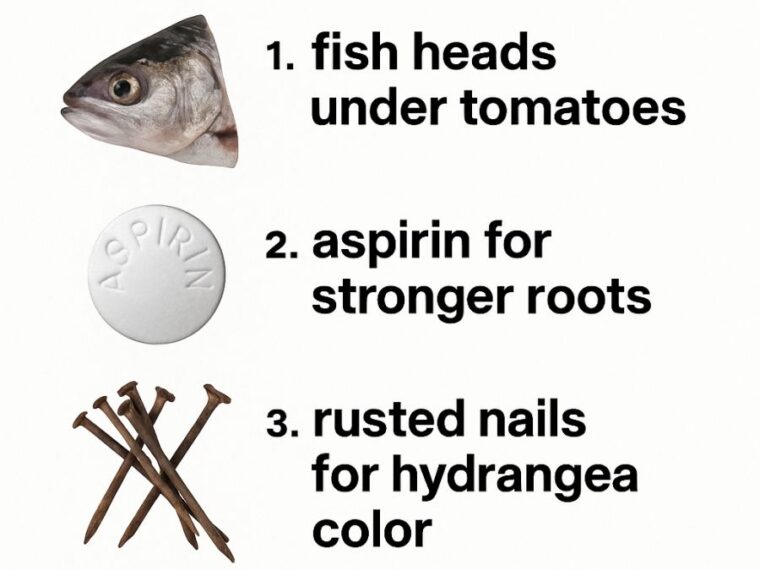
Fish heads are rich in essential nutrients like nitrogen, phosphorus, and calcium, which are crucial for plant growth. To use fish heads, dig a hole about 12 inches deep and place the fish head at the bottom. Cover it with a few inches of soil before planting your tomato seedlings on top. As the fish decomposes, it releases nutrients directly to the plant roots, promoting vigorous growth and high yields.
This method has been used for centuries and is particularly effective for tomatoes, which are heavy feeders. By using fish heads, you provide a slow-release fertilizer that enriches the soil and enhances the flavor of your tomatoes. Just be sure to bury the fish head deep enough to prevent attracting unwanted wildlife.
2. Aspirin for Stronger Plant Roots
Aspirin, or acetylsalicylic acid, can be used to boost plant immunity and root development. Dissolve one aspirin tablet in a gallon of water and use this solution to water your plants once every three weeks. The salicylic acid in aspirin helps plants resist disease and stress, promoting stronger and more resilient roots.
This simple treatment can be particularly beneficial for seedlings and young plants, providing them with a defense mechanism against pathogens and environmental stressors. It’s an easy and cost-effective way to give your plants a health boost, especially during the growing season.
3. Rusted Nails for Vibrant Hydrangea Colors
Rusted nails can be buried near hydrangeas to alter the soil’s pH and influence the color of the blooms. The iron from the rust interacts with the soil, making it more acidic, which can turn hydrangea flowers a vibrant blue. Bury a few rusted nails about 6 inches deep around the base of the plant.
For gardeners looking to experiment with flower colors, this is a simple and inexpensive method. It’s important to note that the soil’s overall pH will also affect the results, so testing and adjustments might be necessary to achieve the desired hue. This natural trick can add a stunning visual impact to your garden.
4. Eggshells Under Peppers for Calcium Enrichment
Calcium is essential for plant cell walls, and eggshells are an excellent natural source of this nutrient. Crush the shells of a dozen eggs and sprinkle them into the planting hole before setting your pepper plants. The eggshells will decompose slowly, releasing calcium into the soil and preventing issues like blossom end rot.
This method not only recycles kitchen waste but also provides a long-term nutrient supply for your plants. As the shells break down, they improve soil structure and aeration, leading to healthier root systems and more vigorous plants.
5. Coffee Grounds to Repel Pests and Enrich Soil
Used coffee grounds are rich in nitrogen and can help improve soil structure. Spread a thin layer of coffee grounds around your plants, or mix them into the top few inches of soil. This addition not only enriches the soil but also deters common garden pests like slugs and snails due to the caffeine content.
Coffee grounds are slightly acidic, so they are particularly beneficial for acid-loving plants like azaleas and blueberries. They also enhance soil microbes, promoting a healthy ecosystem in your garden. Just be sure not to overdo it, as too much can lead to a nitrogen imbalance.
6. Banana Peels for a Potassium Kick
Banana peels are a fantastic source of potassium, an essential nutrient for plant growth. Chop up banana peels and bury them a few inches deep around the base of your plants. As they decompose, they release potassium along with small amounts of phosphorus and calcium, contributing to healthy plant development.
This simple practice can be implemented throughout the growing season to support flower and fruit production. It’s a great way to recycle waste while providing a nutrient boost to your garden. This method is particularly useful for flowering plants and fruit-bearing trees.
7. Charcoal to Improve Soil Drainage
Charcoal, particularly horticultural charcoal, can be mixed into garden soil to enhance drainage and prevent root rot. Add a layer of charcoal about 1 inch thick at the bottom of pots or mix it into the top 6 inches of garden beds. Charcoal’s porous structure helps retain moisture while allowing excess water to drain, keeping the soil aerated and healthy.
This technique is particularly useful in regions with heavy rainfall or for plants that are sensitive to waterlogged conditions. Charcoal also helps to maintain soil pH levels and can absorb impurities, improving the overall quality of the soil.
8. Wine Corks for Water Retention
Wine corks can be used to help retain moisture in your garden beds. Cut corks into small pieces and mix them into the soil around your plants. The corks will absorb water and release it slowly, helping to keep the soil consistently moist and reducing the need for frequent watering.
This method is particularly beneficial for container gardening, where soil can dry out quickly. Wine corks are biodegradable, making them an eco-friendly choice for water management in your garden.
9. Hair Clippings to Deter Deer and Rabbits
Human or pet hair clippings can be scattered around the garden to deter deer and rabbits. The scent of hair is a natural repellent for these animals, as it suggests human presence. Spread a thin layer of hair around the perimeter of your garden beds to create a barrier.
This method is an excellent way to recycle waste hair while protecting your plants from hungry herbivores. It can be combined with other deterrents for increased effectiveness, and the hair will eventually break down, adding organic matter to the soil.
10. Tea Bags for Acid-Loving Plants
Used tea bags can be buried in the soil around acid-loving plants like roses, ferns, and camellias. The tannins and other compounds in tea can help lower soil pH, making it more acidic and suitable for these plants. Bury a few used tea bags 2-3 inches deep near the plant’s root zone.
This method is an easy way to recycle tea bags while benefiting your garden. As the bags decompose, they also add organic matter to the soil, improving its structure and fertility. This practice can be repeated throughout the growing season for best results.
11. Cardboard to Suppress Weeds and Retain Moisture
Cardboard can be used as a mulch alternative to suppress weeds and retain moisture in garden beds. Lay sheets of cardboard on the soil surface and cover them with a layer of mulch or compost. The cardboard blocks sunlight, preventing weed growth, while also helping the soil to retain moisture
This method is a sustainable way to recycle cardboard and reduce the use of chemical weed killers. Over time, the cardboard will decompose, adding organic matter to the soil and improving its fertility. It’s an effective technique for both vegetable and ornamental gardens, providing a clean and tidy appearance while benefiting plant health.