Houseplants have become a staple of modern interior decor, offering not just aesthetic value but also numerous health benefits. However, the rise in popularity of houseplants has also led to the spread of numerous myths and misconceptions about their care. While some of these tips might seem harmless, they can actually hinder the growth and well-being of your plants.
In this article, we aim to debunk some of the most common houseplant myths and provide you with the knowledge you need to care for your plants properly. From watering schedules to the types of soil you should use, we’ll cover a range of topics to help you become a more informed plant parent.
1. The Gravel Myth: Why It’s Unnecessary
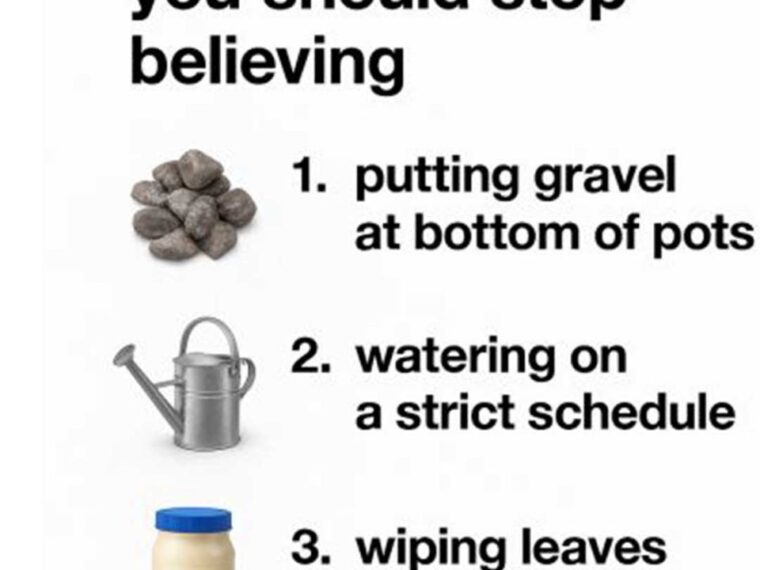
Many people believe that adding a layer of gravel at the bottom of a plant pot improves drainage, but this is a misconception. The idea is that gravel allows excess water to accumulate below the plant roots, preventing root rot. However, in reality, the opposite occurs. The addition of gravel actually raises the water table in the pot, keeping the soil wetter than it would be without the gravel.
For optimal drainage, it is better to use a well-draining potting mix and ensure that your pots have drainage holes. This approach ensures that excess water can escape properly, preventing the roots from sitting in water and rotting.
2. Strict Watering Schedules: A Recipe for Disaster
Watering your plants on a strict schedule might seem like a good way to ensure consistency, but plants have varying needs that depend on numerous factors such as light, temperature, and humidity levels. Sticking to a rigid watering schedule does not account for these changes and can lead to overwatering or underwatering.
Instead, check the moisture level in the soil before watering. For most houseplants, the top inch of soil should be dry before you water again. Adjust your watering frequency based on the season and the plant’s specific requirements.
3. Mayonnaise on Leaves: A Misguided Hack
Some plant enthusiasts suggest using mayonnaise to polish the leaves of plants, claiming it provides a glossy shine. While it might temporarily make leaves shinier, mayonnaise can attract dust and pests, and its greasy film can block sunlight, hindering photosynthesis.
Instead of mayonnaise, use a damp cloth to gently clean the leaves of your plants. This method removes dust and allows the leaves to breathe and photosynthesize efficiently.
4. Misting for Humidity: Does It Really Work?
Misting is often recommended to increase humidity around tropical plants, but its effectiveness is limited. Misting only temporarily increases humidity and can lead to water spots on leaves, which can invite pests and diseases.
For a more effective solution, use a humidifier or place a tray of water near your plants. Grouping plants together can also help create a microclimate with higher humidity.
5. Overcrowding Plants: More Isn’t Always Merrier
Placing multiple plants in a single pot might seem space-saving and aesthetically pleasing, but it can lead to competition for resources like water, light, and nutrients. Overcrowding can cause stress and stunt growth.
When planting multiple plants together, ensure each plant has enough space to grow, and choose plants with similar care requirements to reduce competition. Consider repotting overcrowded plants into separate containers to give each one the space it needs.
6. The Dark Side of Over-Fertilizing
Fertilizing is essential for plant growth, but over-fertilizing can be harmful. Excessive fertilizer can lead to nutrient burn, where salts build up in the soil and damage the plant’s roots, causing yellowing leaves and stunted growth.
Follow the recommended fertilization schedule for your specific plants, and use a balanced fertilizer. During the growing season, most houseplants only need to be fertilized every 4-6 weeks. Always read the instructions and use the correct dosage to avoid over-fertilization.
7. The Myth of Universal Soil
Many people believe that all houseplants can thrive in the same type of soil, but different plants have different soil needs. For example, succulents require a gritty, well-draining soil, while ferns prefer a more moisture-retentive mix.
Research the soil requirements for your specific plants and choose or create a soil mix that suits their needs. Using the correct soil mix will promote healthy root systems and overall plant health.
8. Sunlight Myths: Direct vs. Indirect Debate
There’s a common myth that all houseplants need direct sunlight, but this is not true for all species. Some plants thrive in low light, while others prefer bright, indirect light. Exposing a shade-loving plant to direct sunlight can cause leaf scorch and damage.
Understand the light requirements of your plants and place them accordingly. Use sheer curtains to diffuse harsh sunlight if necessary, and rotate your plants to ensure even light distribution.
9. Plant Rotation: Does It Help Growth?
Rotating plants is often suggested to promote even growth, but this practice is not always necessary. Some plants benefit from consistent light exposure and may not need rotation.
Consider the growth pattern of your plant before deciding to rotate it. If you notice uneven growth, a gentle rotation can help, but be mindful not to disturb plants that are sensitive to changes in their environment.
10. Talking to Plants: Science or Folklore?
The idea that talking to plants can aid their growth is a popular belief. While plants do respond to sound vibrations, there is little scientific evidence to suggest that talking to them directly promotes growth.
However, the act of talking to plants often means you’re spending more time caring for them, which can lead to better attention to their needs. The increased care and attention are more likely to contribute to healthier plants than the act of talking itself.
11. The Green Thumb Myth: Anyone Can Grow Plants
Many people believe a ‘green thumb’ is necessary to grow plants successfully, but anyone can learn to care for houseplants with the right information and dedication. Successful plant care is about understanding the needs of your plants and providing the appropriate environment.
With patience and practice, you can develop your plant care skills and create a thriving indoor garden. Remember, even experienced plant enthusiasts make mistakes, but learning from them is part of the growth process.