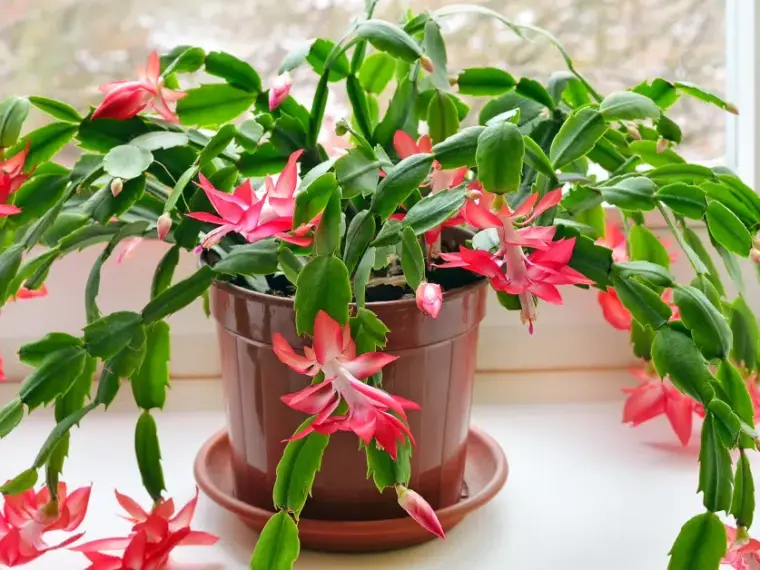
The Christmas cactus (Schlumbergera spp.) is a beloved houseplant cherished for its vibrant flowers and easygoing nature.
Native to the cloud forests of Brazil, it thrives in indirect light and high humidity. Unlike traditional desert cacti, this tropical plant prefers regular watering and mild temperatures.
One of the keys to maintaining a healthy, full, and flowering Christmas cactus lies in proper pruning.
Knowing how and when to prune your Christmas cactus can not only shape the plant but also boost blooming and rejuvenate older, leggy specimens.
This comprehensive guide will walk you through the best time and methods to prune your Christmas cactus, the tools you’ll need, common mistakes to avoid, and the numerous benefits of giving your plant a seasonal trim.

Why Prune a Christmas Cactus?
Pruning a Christmas cactus offers several advantages:
- Stimulates New Growth: Removing old or leggy stems encourages the plant to branch out and grow more segments.
- Promotes Fuller Shape: Pruning helps the plant maintain a balanced and bushy appearance, making it more attractive.
- Improves Flowering: Stimulating new segments increases the number of points where flowers can develop.
- Removes Damaged or Diseased Stems: Keeping your plant tidy prevents the spread of disease or rot.
- Provides Cuttings for Propagation: Pruned segments can be used to grow new plants.
When Is the Best Time to Prune a Christmas Cactus?
The ideal time to prune a Christmas cactus is in late spring to early summer, after the blooming period has ended and before new flower buds form.
This is when the plant enters its active growth phase, allowing it to recover quickly and redirect energy toward developing new branches.
Avoid pruning during these times:
- Right before or during blooming: You might cut off developing buds.
- In winter: The plant is in a dormant state and will be slow to heal.
How Often Should You Prune?
You don’t need to prune your Christmas cactus every year. Aim for once every 1–2 years or as needed to manage shape, size, and overall health.
If your plant is overgrown or leggy, you can prune more heavily, but always leave enough healthy segments to support recovery.
Tools You’ll Need
- A clean pair of pruning shears or sharp scissors
- Isopropyl alcohol or a sterilizing solution
- Optional: gloves, especially if you have sensitive skin
Make sure your cutting tool is clean and sharp to prevent disease spread and ensure clean cuts.
How to Prune a Christmas Cactus (Step-by-Step)
- Wait Until After Blooming: Only start once the last flowers have faded and dropped off.
- Choose Where to Cut: Look for overly long, leggy, or damaged segments. Identify where the segments meet – the joints are the natural breaking point.
- Snap or Cut Segments: Use your fingers to gently twist and snap off a segment at the joint or cut with sterilized scissors. Remove 1–3 segments from each overly long stem.
- Shape the Plant: Step back and assess the overall appearance after every few cuts. Trim symmetrically to create a balanced shape.
- Don’t Overdo It: Limit your pruning to no more than one-third of the plant at a time to avoid stressing it.
- Propagate Cuttings: Set aside healthy segments for propagation. Let them callous for a few hours, then plant in moist, well-draining soil.
What to Expect After Pruning
- New Growth: Within a few weeks, expect new segments to emerge from the cut points.
- Bushier Shape: The plant will start to fill out, especially if pruned evenly.
- Delayed Blooming: If you prune late in the year, blooming may be postponed until the next cycle.
Mistakes to Avoid
- Pruning at the Wrong Time: Cutting before or during blooming can reduce flowers.
- Over-Pruning: Removing too much foliage at once can shock the plant.
- Using Dirty Tools: This can spread bacteria or fungal infections.
- Neglecting Aftercare: Make sure to provide adequate light, humidity, and water after pruning.
Tips for Post-Pruning Care
- Place in Bright, Indirect Light: Avoid direct sun, which can burn the tender new growth.
- Water Sparingly at First: Let the plant adjust for a week before resuming normal watering.
- Keep Humidity High: Use a humidity tray or mist occasionally to maintain ideal moisture levels.
- Fertilize Monthly: Use a balanced fertilizer during the growing season to support recovery.
- Watch for Pests: Newly pruned plants are more susceptible to stress; inspect regularly.
How to Use Pruned Cuttings
Don’t discard healthy segments! Use them to propagate and grow new Christmas cactus plants:
- Let the cut ends callous over for a few hours.
- Fill a small pot with well-draining cactus or succulent soil.
- Insert the segment an inch into the soil.
- Keep lightly moist and place in bright, indirect light.
- New roots should develop in 3–6 weeks.
You can gift these cuttings or expand your own collection.
Frequently Asked Questions
Q: Can I prune a Christmas cactus after it starts growing buds? A: It’s best not to. You risk removing the very parts that will bloom.
Q: My cactus looks bare after pruning. Did I ruin it? A: Likely not. As long as you didn’t remove too many segments, it should bounce back with even more growth.
Q: Can I prune multiple times a year? A: It’s safe to lightly trim for shape during summer, but avoid heavy pruning more than once a year.
Q: Should I fertilize after pruning? A: Yes, but wait a week or two and then resume monthly fertilizing during the growing season.
Pruning your Christmas cactus is a simple but effective way to promote healthy growth, encourage fuller blooms, and maintain a beautiful, balanced plant.
Done at the right time with proper technique, pruning can revitalize tired plants and ensure a vibrant display during the holiday season.
Whether you’re shaping an overgrown cactus or propagating new cuttings, a well-pruned Christmas cactus rewards your effort with dazzling color year after year.