As the weather cools and summer blooms fade, many gardeners hang up their tools and wait for spring.
But if you know what to plant now, October can actually be one of the most important months of the gardening year.
This is the season to sow hardy annuals – those tough, resilient plants that germinate in cool weather, withstand winter’s chill, and reward you with a spectacular display of flowers next spring and early summer.
Why Plant Hardy Annuals in October?
Before we dive into the plant list, it’s important to understand why fall is the perfect time for sowing hardy annuals – and why this simple timing shift can transform your garden.
1. Stronger Root Systems
Planting in autumn gives hardy annuals a head start. They germinate in the cool, moist soil of fall, then focus on root growth throughout winter.
By spring, they have an established root system that supports vigorous growth and abundant flowering.
2. Earlier Blooms
Spring-sown hardy annuals often take weeks to catch up after germination. Fall-sown ones, however, are ready to take off the moment temperatures rise – often blooming 4–6 weeks earlier than their spring-planted counterparts.
3. More Resilient Plants
Hardy annuals are adapted to withstand frost and even light snow. By enduring winter in the soil, they become stronger, hardier, and better equipped to handle pests, drought, and fluctuating spring weather.
4. Extended Bloom Time
Because they start growing earlier, fall-sown annuals often have a longer flowering season, extending your garden’s color from late spring well into summer.
Tips for Planting Hardy Annuals in October
Timing is everything when it comes to fall planting.
Here’s how to ensure success:
- Choose the right time: Aim to sow hardy annuals about 6–8 weeks before the ground freezes. In most climates, October is ideal.
- Prepare the soil: Loosen and enrich the soil with compost. Remove weeds so seedlings don’t have competition.
- Sow shallowly: Most hardy annuals need only a light covering of soil – about twice the size of the seed.
- Water gently: Keep the soil moist (but not waterlogged) until seeds germinate.
- Protect seedlings if needed: In colder regions, a light layer of mulch or frost cloth can help insulate young plants through winter.
15 Hardy Annuals to Plant in October for a Spectacular Spring Garden
These tried-and-true hardy annuals are reliable performers that thrive when sown in fall. Plant them now, and you’ll enjoy a garden bursting with color, fragrance, and pollinator activity next year.
1. Cornflower (Centaurea cyanus)
Why plant it: Known for their intense blue blooms, cornflowers are classic cottage garden favorites. They’re easy to grow, attract pollinators, and make excellent cut flowers.
How to plant:
- Sow seeds directly where they will bloom, 1/4 inch deep.
- Thin seedlings to about 6 inches apart.
- Full sun and well-drained soil are ideal.
Bloom time: Late spring to midsummer
Bonus tip: Pair cornflowers with poppies and larkspur for a beautiful wildflower-style border.
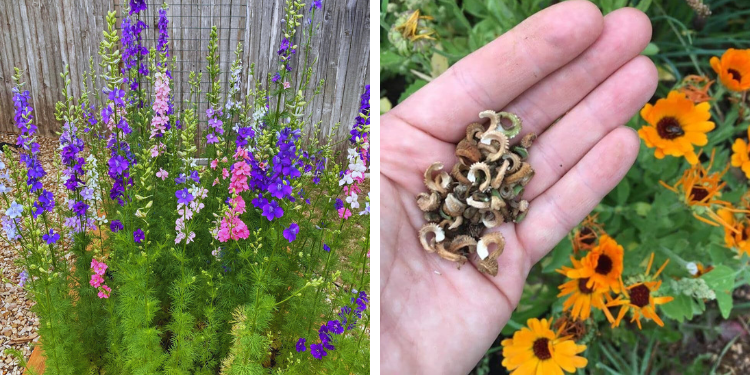
2. Larkspur (Consolida ajacis)
Why plant it: Larkspur’s tall, elegant spires add height and drama to garden borders. They bloom in shades of purple, pink, white, and blue – and are beloved by bees and butterflies.
How to plant:
- Sow seeds outdoors where they are to flower.
- Larkspur seeds need a period of cold to germinate, so autumn sowing is perfect.
- Space seedlings about 10–12 inches apart.
Bloom time: Late spring to early summer
Bonus tip: Larkspur dislikes being transplanted, so direct sowing is best.
3. Nigella (Nigella damascena, also known as Love-in-a-Mist)
Why plant it: Delicate, ferny foliage and sky-blue flowers make Nigella a charming addition to cottage gardens. Its seed pods are also decorative and perfect for dried arrangements.
How to plant:
- Sow seeds directly in well-drained soil, 1/8 inch deep.
- Space seedlings about 6 inches apart.
- Prefers full sun.
Bloom time: Late spring to early summer
Bonus tip: Scatter seeds in succession for continuous blooms.
4. Calendula (Calendula officinalis)
Why plant it: Calendula is one of the easiest and most rewarding hardy annuals. Its cheerful orange and yellow flowers brighten any garden – and they’re edible and medicinal, too.
How to plant:
- Sow seeds directly into garden beds, about 1/2 inch deep.
- Space seedlings 8–12 inches apart.
- Grows well in full sun or partial shade.
Bloom time: Spring through early summer
Bonus tip: Calendula’s petals are edible – try them in salads or as a natural food dye.
5. Sweet Peas (Lathyrus odoratus)
Why plant it: Sweet peas are prized for their intoxicating fragrance and romantic, old-fashioned charm. Fall-sown plants bloom earlier, stronger, and more profusely than spring-sown ones.
How to plant:
- Soak seeds overnight before planting.
- Sow 1 inch deep in rich, well-drained soil.
- Space seedlings 6 inches apart.
Bloom time: Late spring to early summer
Bonus tip: Provide a trellis or support structure as sweet peas are climbing plants.
6. Poppies (Papaver rhoeas and Papaver somniferum)
Why plant it: Few flowers rival the delicate beauty of poppies. Their papery petals in vibrant reds, pinks, and whites create breathtaking displays.
How to plant:
- Sow seeds directly on the soil surface – do not cover, as they need light to germinate.
- Space seedlings 6–8 inches apart.
- Choose a sunny, well-drained location.
Bloom time: Late spring to early summer
Bonus tip: Poppies resent transplanting, so sow them directly where they’ll bloom.
7. Cerinthe (Cerinthe major purpurascens, also known as Honeywort)
Why plant it: With its deep purple-blue flowers and silvery foliage, Cerinthe is a pollinator magnet and a unique addition to borders.
How to plant:
- Sow seeds 1/2 inch deep in well-drained soil.
- Space 12 inches apart.
- Prefers full sun to partial shade.
Bloom time: Late spring through summer
Bonus tip: Cerinthe self-seeds readily – plant it once, and you’ll likely have it for years.
8. Clarkia (Clarkia amoena, also known as Godetia)
Why plant it: Clarkia’s ruffled blooms come in soft pinks, purples, and whites. It’s an excellent choice for cottage gardens and cutting gardens alike.
How to plant:
- Sow seeds directly in the ground, 1/8 inch deep.
- Thin seedlings to 10 inches apart.
- Prefers full sun.
Bloom time: Late spring to early summer
Bonus tip: Clarkia thrives in poor soil – avoid over-fertilizing, which can reduce blooms.
9. Orlaya (Orlaya grandiflora)
Why plant it: Known as white lace flower, Orlaya adds delicate, lacy umbels of white blooms that look stunning in bouquets and borders.
How to plant:
- Sow seeds 1/4 inch deep directly outdoors.
- Space plants 10–12 inches apart.
- Prefers full sun.
Bloom time: Late spring to summer
Bonus tip: Orlaya makes an excellent filler in floral arrangements.
10. Ammi (Ammi majus, also known as False Queen Anne’s Lace)
Why plant it: Ammi’s airy white blooms add texture and movement to garden beds. It’s also a fantastic companion plant, attracting beneficial insects.
How to plant:
- Sow seeds 1/4 inch deep directly in the garden.
- Thin seedlings to 12 inches apart.
- Prefers full sun and well-drained soil.
Bloom time: Late spring to summer
Bonus tip: Deadhead spent blooms to prolong flowering.
11. Eschscholzia (Eschscholzia californica, also known as California Poppy)
Why plant it: This sun-loving flower thrives in poor soils and requires almost no maintenance. Its silky orange and yellow flowers bloom for weeks.
How to plant:
- Scatter seeds directly on the soil surface and press lightly.
- Thin seedlings to 6 inches apart.
- Needs full sun.
Bloom time: Late spring to early summer
Bonus tip: California poppies self-seed freely – once planted, they’ll return year after year.
12. Scabiosa (Scabiosa atropurpurea, also known as Pincushion Flower)
Why plant it: Scabiosa’s unique pincushion-like blooms attract butterflies and make excellent cut flowers.
How to plant:
- Sow seeds 1/4 inch deep directly in the garden.
- Space seedlings 10–12 inches apart.
- Prefers full sun and well-drained soil.
Bloom time: Late spring through summer
Bonus tip: Deadheading encourages continuous blooms.
13. Phacelia (Phacelia tanacetifolia)
Why plant it: A superb pollinator plant, Phacelia’s lavender-blue flowers are loved by bees and beneficial insects. It’s also a great green manure.
How to plant:
- Scatter seeds and rake lightly into the soil.
- Space 6–8 inches apart.
- Prefers full sun.
Bloom time: Late spring to early summer
Bonus tip: Phacelia improves soil structure – plant it in vegetable beds as a cover crop.
14. Eryngium (Eryngium planum, also known as Sea Holly)
Why plant it: With its striking, spiky flowers and metallic blue tones, Eryngium adds drama to borders and bouquets alike.
How to plant:
- Sow seeds 1/4 inch deep outdoors in fall.
- Space 12–18 inches apart.
- Prefers full sun and well-drained soil.
Bloom time: Summer
Bonus tip: Eryngium thrives in dry, poor soil – perfect for low-maintenance gardens.
15. Centranthus (Centranthus ruber, also known as Red Valerian)
Why plant it: This tough, drought-tolerant plant produces masses of pink, red, or white flowers and attracts pollinators all season long.
How to plant:
- Sow seeds 1/4 inch deep directly in the garden.
- Space 12 inches apart.
- Prefers full sun and well-drained soil.
Bloom time: Late spring to early fall
Bonus tip: Centranthus is self-seeding and naturalizes beautifully in cottage gardens and rockeries.
Expert Tips for Success with Fall-Sown Hardy Annuals
Planting hardy annuals in October is easy, but these expert tips will help you get the best results:
- Choose the right site: Most hardy annuals prefer sunny spots with well-drained soil. Avoid low areas where water collects in winter.
- Don’t overwater: Once seeds germinate and establish, water only during dry spells. Overwatering in cold weather can cause rot.
- Mulch lightly: A thin layer of mulch protects seedlings from frost heave while allowing light and air to reach them.
- Mark planting areas: Label your sowing spots – seedlings can be hard to distinguish from weeds in spring.
- Succession sowing: For extended bloom time, sow another round in early spring.
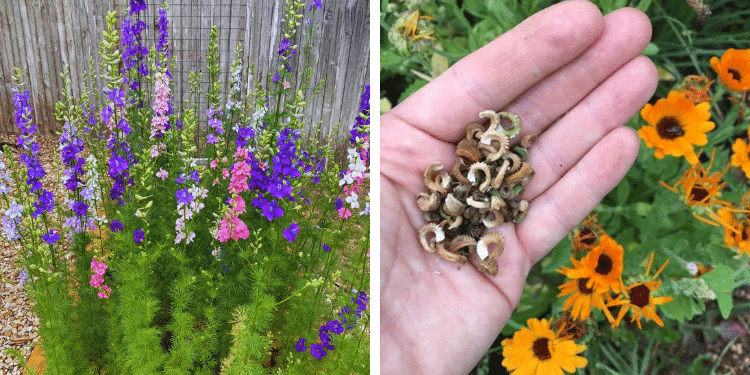
Sowing hardy annuals in October is one of the most rewarding gardening strategies you can try.
With minimal effort now, you’ll enjoy stronger plants, earlier blooms, and longer-lasting displays next year – often weeks before anything you plant in spring.