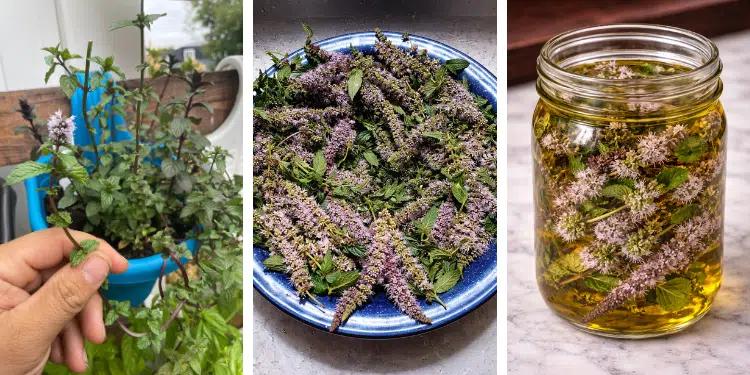
If you grow mint in your garden or even in a small pot on your balcony, you’ve probably seen it happen – the plant suddenly shoots up delicate flower spikes.
Many gardeners instinctively pinch them off or toss them away without a second thought.
But here’s the truth: mint flowers are not waste – they’re one of the most overlooked, useful parts of the plant.
While it’s true that flowering can reduce leaf production, those tiny blooms are packed with aroma, flavor, and natural compounds that make them incredibly versatile around the home.
Why Mint Flowers Are Worth Keeping
Mint flowers contain the same essential oils found in the leaves, but often in a more delicate and slightly sweeter concentration.
They offer:
- A softer mint flavor
- A pleasant aroma
- Edible, decorative qualities
Instead of throwing them away, you can turn them into something useful, flavorful, or even beautiful.
When and How to Harvest Mint Flowers
Timing is important if you want the best quality.
Mint flowers are ready to harvest when:
- The buds have opened or are just starting to open
- The color is vibrant
- The scent is strong when touched
To harvest:
- Cut the flowering stems in the morning
- Use clean scissors
- Avoid taking more than one-third of the plant
Once harvested, you can use them fresh or dry them for later use.
1. Make Mint Flower Tea (A Milder, Sweeter Infusion)
One of the simplest and most rewarding uses for mint flowers is tea.
Unlike mint leaves, which can be strong and sharp, mint flowers create a lighter, slightly floral version of mint tea.
How to use:
- Place fresh or dried mint flowers in hot water
- Let steep for 5–10 minutes
What to expect:
- A gentle, calming flavor
- Less intensity than traditional mint tea
- A soothing evening drink
This is a great way to use large amounts of flowers at once.
2. Infuse Oils for Home and Skin Use
Mint flowers can be used to create infused oils that carry their aroma and properties.
How it works:
- Place dried mint flowers in a jar
- Cover with a carrier oil (like olive or almond oil)
- Let sit for 1–2 weeks
The oil absorbs the scent and subtle compounds of the flowers.
Uses:
- Light massage oil
- Aromatic oil for relaxation
- Natural scent for homemade products
The result is a mild, refreshing oil with a soft mint fragrance.
3. Add to Salads and Fresh Dishes
Mint flowers are edible and make a beautiful addition to food.
Their flavor is:
- Mild
- Slightly sweet
- Less intense than leaves
How to use:
- Sprinkle over salads
- Add to fruit bowls
- Garnish desserts
They enhance both flavor and presentation, turning simple dishes into something more visually appealing.
4. Create Natural Air Fresheners
Mint flowers release a fresh, clean scent that works well indoors.
Simple method:
- Place fresh flowers in a bowl
- Set them in a room or near a window
What happens:
- The scent gradually spreads
- The space feels fresher and lighter
You can also combine mint flowers with:
- Lemon peels
- Herbs like rosemary
This creates a natural, chemical-free fragrance for your home.
5. Dry Them for Long-Term Use
Drying mint flowers allows you to preserve them for future use.
How to dry:
- Hang small bundles upside down
- Keep in a dry, ventilated area
- Allow 1–2 weeks for full drying
Benefits:
- Long shelf life
- Easy storage
- Ready for tea, oils, or crafts
Dried flowers retain much of their aroma and can be used throughout the year.
6. Use in Bath and Relaxation Blends
Mint flowers can be added to bath routines for a refreshing experience.
How to use:
- Add dried flowers to bath water
- Place in a small cloth bag to avoid mess
Effects:
- Light cooling sensation
- Fresh scent
- Relaxing atmosphere
You can combine them with:
- Lavender
- Chamomile
This creates a calming herbal bath blend.
Bonus: Attract Pollinators Before You Harvest
Before cutting your mint flowers, consider leaving some on the plant.
Mint flowers are highly attractive to:
- Bees
- Butterflies
They support pollinators and contribute to a healthier garden ecosystem.
Should You Let Mint Flower?
There’s a common belief that mint should never be allowed to flower.
While flowering can reduce leaf production, it doesn’t harm the plant. In fact, it offers an opportunity to use the flowers in creative ways.
A balanced approach works best:
- Let some stems flower
- Harvest others for leaves
This way, you get the best of both worlds.
Common Mistakes to Avoid
Throwing flowers away
They are fully usable and valuable
Using wet flowers for oil infusions
Can cause spoilage – always dry them first
Waiting too long to harvest
Overmature flowers lose aroma
How Mint Flowers Compare to Leaves
Mint leaves:
- Strong flavor
- High oil concentration
- Best for cooking and tea
Mint flowers:
- Softer flavor
- More delicate aroma
- Ideal for decoration and subtle uses
Both have value – you just use them differently.
The next time your mint starts to bloom, don’t see it as the end of leaf production. See it as the beginning of a whole new set of possibilities.