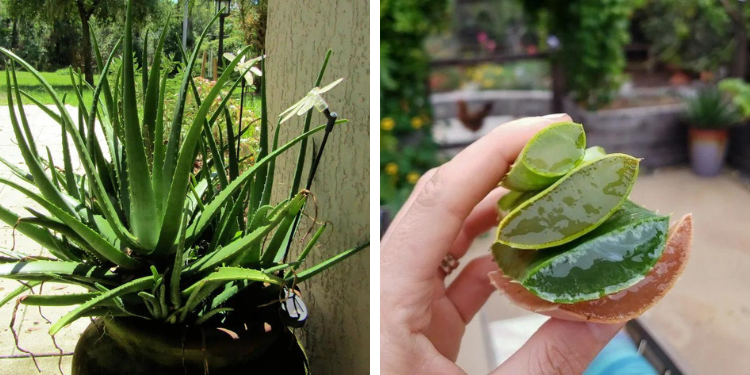
Few plants in history have earned as much reverence as aloe vera. Known to the ancient Egyptians as the “Plant of Immortality”, aloe vera has been celebrated for thousands of years for its healing powers, nourishing gel, and symbolic connection to health and renewal.
From sacred temples along the Nile to modern kitchens and medicine cabinets, this humble succulent continues to play an extraordinary role in daily life.
Today, aloe vera is one of the most widely used plants for skincare, natural remedies, and household wellness.
But beyond its many uses, it’s also a beautiful, hardy houseplant that thrives with little care, making it a perfect choice for gardeners, herbalists, and beginners alike.
A Plant with a Legendary History
Aloe vera (Aloe barbadensis miller) belongs to the succulent family and is native to the Arabian Peninsula.
However, its use quickly spread to Egypt, Mesopotamia, Greece, India, and China, where it became a cornerstone of early herbal medicine.
- Egyptians (circa 3,000 BCE): Aloe was called the “Plant of Immortality” and was often included in burial offerings. Cleopatra is said to have used aloe daily as part of her beauty regimen to maintain youthful skin.
- Ancient Mesopotamia: Clay tablets describe aloe as a plant for cleansing and healing wounds.
- Greece and Rome: Physicians such as Dioscorides and Pliny the Elder praised aloe’s ability to treat wounds, burns, digestive issues, and skin ailments.
- India (Ayurveda): Aloe was known as Kumari (“the maiden”), revered for promoting youthfulness, fertility, and vitality.
- China: Used in herbal medicine to balance the body’s systems and soothe inflammation.
For thousands of years, aloe vera symbolized healing, purification, and longevity. Its reputation has never faded.
Modern science continues to confirm many of the medicinal qualities that ancient civilizations observed intuitively.
The Healing Power of Aloe Vera
What makes aloe vera so extraordinary is its gel – the clear, thick substance found inside its fleshy leaves.
This gel is 95% water, but the remaining 5% contains more than 200 bioactive compounds, including:
- Vitamins A, C, and E (antioxidants)
- Vitamin B12 and folic acid
- Minerals like calcium, magnesium, zinc, and potassium
- Amino acids (essential for cell repair)
- Polysaccharides (immune-boosting compounds)
- Enzymes that aid digestion
- Saponins and anthraquinones with antibacterial and antifungal effects
Key Health Benefits
Skin Healing and Hydration – Aloe vera is most famous as a skin soother. It accelerates wound healing, cools burns, calms rashes, and deeply hydrates without clogging pores.
Burn and Sunburn Relief – Its cooling gel reduces redness, pain, and peeling while promoting faster recovery.
Digestive Health – Aloe juice (from the inner fillet, not the latex) can soothe the digestive tract, ease acid reflux, and support nutrient absorption.
Anti-Inflammatory Effects – Aloe’s compounds reduce swelling and irritation both inside and outside the body.
Immune Boosting – Polysaccharides in aloe enhance white blood cell activity, helping the body resist infections.
Oral Health – Aloe mouth rinses reduce gum inflammation, plaque, and bad breath naturally.
Hair and Scalp Care – Aloe strengthens hair, reduces dandruff, and soothes itchy scalp conditions.
This combination of ancient tradition and modern science makes aloe vera one of the most versatile plants you can grow.
How to Grow Aloe Vera at Home
The beauty of aloe vera is that it thrives with minimal care. Whether you live in an apartment with limited sunlight or have a spacious garden, aloe can adapt – provided it gets the right conditions.
Choosing the Right Aloe
There are over 500 species of aloe, but Aloe vera (Aloe barbadensis miller) is the one cultivated for home use.
When buying a plant, look for:
- Plump, firm leaves
- Bright green color with minimal blemishes
- A healthy root system
Avoid small, weak plants in poor soil. A healthy start makes a world of difference.
Growing Aloe Indoors
Light – Aloe loves bright light. Place your plant near a south- or west-facing window where it gets at least 6 hours of indirect sunlight. Without enough light, aloe becomes leggy and weak.
Soil – Use a cactus or succulent potting mix that drains quickly. You can also make your own by mixing equal parts potting soil, sand, and perlite.
Container – Choose a pot with drainage holes. Terracotta pots are ideal because they prevent water from lingering around the roots.
Watering – Follow the “soak and dry” method: water deeply, then allow soil to dry completely before watering again. Overwatering is the #1 killer of aloe vera plants.
Temperature – Aloe thrives between 55–85°F (13–29°C). Protect it from freezing drafts or heat vents indoors.
Growing Aloe Outdoors
If you live in zones 9–11 (warm climates), aloe can be grown outdoors year-round.
- Site selection: Choose a sunny, well-drained spot.
- Soil: Sandy or rocky soil works best. Avoid heavy clay.
- Spacing: Give plants at least 2 feet of space. Aloe spreads by producing “pups” or offsets that need room to grow.
- Winter care: In cooler climates, keep aloe in pots that can be brought inside when frost threatens.
Propagating Aloe Vera
One of the joys of growing aloe is that it produces baby plants called “pups.”
- Remove pups from the base of the mother plant when they are at least 3 inches tall.
- Let the pups dry for 24 hours so cut ends callus over.
- Plant in a small pot with succulent soil mix.
- Water sparingly until established.
With time, you’ll have an endless supply of aloe plants to keep, share, or gift.
Common Aloe Vera Problems
- Overwatering: Causes mushy leaves and root rot. Always let soil dry between waterings.
- Sunburn: Too much direct, intense sunlight can brown leaves. Provide filtered light in very hot climates.
- Pests: Aloe is generally resistant, but mealybugs or aphids may appear. Wipe leaves with diluted neem oil to control them.
Harvesting Aloe Vera Gel
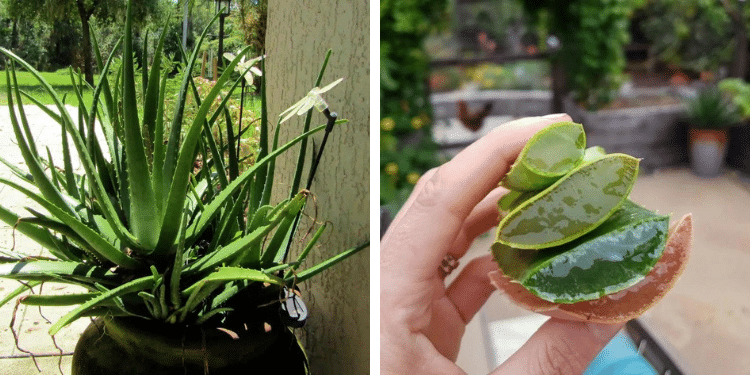
When your aloe plant is mature, you can start harvesting its healing gel.
- Choose the outermost, thickest leaves.
- Cut at the base with a clean knife.
- Let the yellow latex (aloin) drain out – this can be irritating if ingested or applied to skin.
- Slice open the leaf and scoop out the clear gel.
- Use immediately or refrigerate in an airtight container for up to a week.
Practical Uses of Aloe Vera at Home
Once harvested, aloe vera becomes a household multitasker.
Skincare
- Apply gel directly to burns, cuts, or insect bites.
- Use as a natural moisturizer for face and body.
- Mix with rose water for a refreshing toner.
Haircare
- Massage gel into scalp to reduce dandruff and dryness.
- Combine with coconut oil for a nourishing hair mask.
Oral Care
- Rinse mouth with diluted aloe juice to ease gum inflammation.
- Use aloe gel as a soothing base for homemade toothpaste.
Digestive Aid
- Drink a small amount of aloe juice (from inner fillet only) for acid reflux or digestive soothing.
- Avoid latex portion, as it can act as a strong laxative.
First Aid
- Apply to minor burns and scrapes.
- Use for rashes, eczema, and sunburn relief.
Symbolism and Spiritual Uses
Beyond its physical benefits, aloe vera carries spiritual symbolism. It is often placed at doorways and windows to attract positive energy and ward off negativity.
In many traditions, aloe symbolizes healing, renewal, and protection.
Tips for Thriving Aloe Plants
- Fertilize lightly in spring and summer with a cactus fertilizer.
- Rotate pots every few weeks so leaves grow evenly toward the light.
- Repot every 2–3 years to refresh soil and give space for pups.
- Harvest only a few leaves at a time to avoid stressing the plant.
Aloe vera’s title as the “Plant of Immortality” is well-deserved. For thousands of years, it has been a healer, protector, and beautifier, woven into the fabric of daily life across cultures.
Today, it remains one of the most practical and powerful plants you can grow at home.
With minimal care, aloe vera will reward you with lush green leaves and a steady supply of cooling gel for skincare, household wellness, and natural remedies.