Lavender is one of the most loved garden plants – known for its calming scent, silvery foliage, and beautiful purple blooms.
But if you want strong growth, intense fragrance, and long-lasting flowers, April is the month that sets everything in motion.
As temperatures rise and daylight increases, lavender begins actively growing again after winter dormancy.
What you do during this time directly impacts plant shape, flower production, oil concentration, and overall health.
Why April Is Critical for Lavender
Lavender thrives in warm, sunny, well-drained conditions – but early spring is when it:
- Develops new shoots and foliage
- Establishes strong roots
- Prepares for flowering
- Recovers from winter stress
Proper care now ensures:
- Compact, bushy plants
- Strong stems that support blooms
- Higher essential oil production (stronger scent)
Neglect in April can lead to:
- Leggy, weak plants
- Fewer flowers
- Reduced fragrance
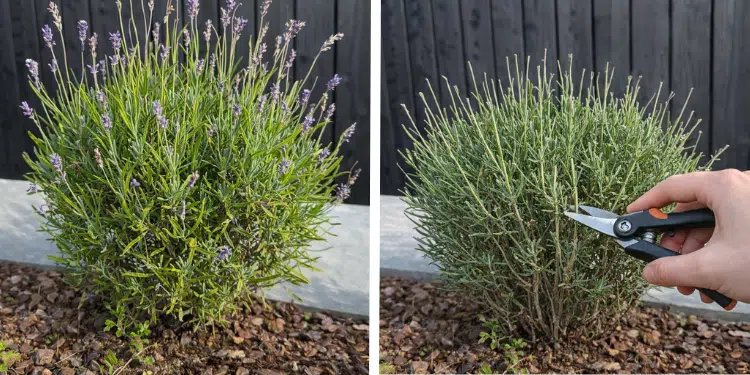
1. Prune Lightly to Shape and Stimulate Growth
Pruning is one of the most important April tasks – but it must be done correctly.
What to do:
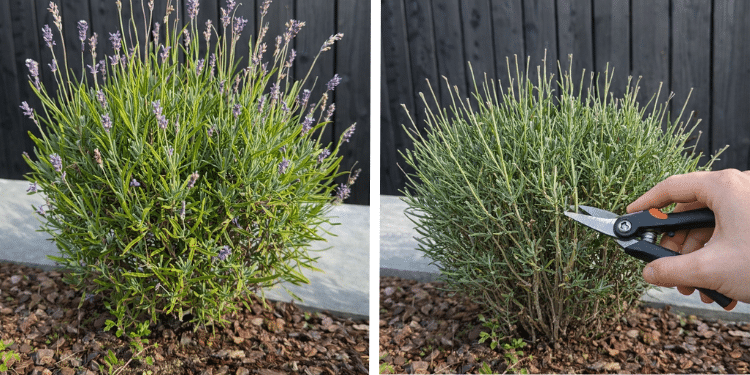
- Remove dead, woody, or frost-damaged stems
- Trim lightly to shape the plant
- Cut back about 1/3 of soft, green growth only
What to avoid:
- Do NOT cut into old woody stems (lavender often won’t regrow from them)
Why it matters:
Pruning encourages:
- New shoots
- Bushier growth
- More flowering stems
Pro tip:
If your lavender looks woody and sparse, gradual shaping over multiple seasons is safer than heavy pruning.
2. Improve Drainage (Lavender Hates Wet Roots)
Lavender is extremely sensitive to excess moisture – especially in spring.
Ideal soil:
- Sandy or gravelly
- Fast-draining
- Slightly alkaline (pH 6.5–7.5)
What to do in April:
- Mix sand or grit into soil if drainage is poor
- Raise beds if water tends to pool
- Avoid heavy compost or rich soil
Why it matters:
Poor drainage leads to:
- Root rot
- Weak growth
- Loss of fragrance
Pro tip:
Lavender prefers lean soil over rich soil – too many nutrients reduce essential oil production.
3. Give Full Sun for Maximum Fragrance
Lavender needs sunlight to produce its signature scent.
Requirements:
- At least 6–8 hours of direct sun daily
- More sun = stronger fragrance
What happens without enough sun:
- Weak stems
- Fewer flowers
- Reduced aroma
Best placement:
- South-facing areas
- Open garden beds
- Containers in bright locations
Pro tip:
Good airflow is just as important as sunlight – avoid crowded planting.
4. Water Sparingly (Less Is More)
Lavender is drought-tolerant and prefers dry conditions once established.
Watering rules:
- Water lightly after planting
- Allow soil to dry out between watering
- Avoid frequent watering
Signs of overwatering:
- Yellowing leaves
- Soft stems
- Root rot
Signs of underwatering:
- Slight drooping (rare in established plants)
Pro tip:
It’s better to underwater lavender than overwater it.
5. Feed Lightly or Not at All
Lavender doesn’t need heavy feeding – in fact, too much fertilizer can harm it.
What to do:
- Add a small amount of compost if soil is very poor
- Avoid high-nitrogen fertilizers
Why it matters:
Too much feeding leads to:
- Excess leafy growth
- Fewer flowers
- Weaker fragrance
Pro tip:
Lavender grown in lean soil produces stronger oils and more intense scent.
6. Control Weeds and Improve Airflow
Weeds compete with lavender for nutrients and trap moisture around the base.
What to do:
- Remove weeds around the plant
- Space plants properly
- Keep base clear and dry
Why it matters:
- Reduces risk of fungal disease
- Improves plant health
- Encourages better growth
Pro tip:
Use gravel or small stones as mulch – this improves drainage and reflects heat.
Bonus Tips for Stronger Lavender Growth
Harvest Lightly Early
- Light harvesting encourages bushier growth
Avoid Humidity
- Lavender prefers dry air – avoid overcrowding
Choose the Right Variety
- English lavender: more cold-hardy
- French/Spanish lavender: better for warmer climates
Common Mistakes to Avoid in April
Overwatering
The most common cause of lavender failure
Heavy pruning into woody stems
Can permanently damage the plant
Rich soil or too much fertilizer
Reduces flowering and fragrance
Planting in shade
Leads to weak, leggy plants
Poor drainage
Causes root rot quickly
USDA Zone Guide for Lavender Care in April
Zones 3–5 (Cool Climates)
- Wait until late April for pruning
- Ensure soil has warmed
- Protect from late frost
Zones 6–8 (Moderate Climates)
- Ideal time for pruning and shaping
- Begin light watering and maintenance
Zones 9–11 (Warm Climates)
- Lavender is already actively growing
- Reduce watering frequency
- Provide airflow to prevent humidity issues
How to Encourage More Fragrant Blooms
To maximize scent and oil production:
- Grow in full sun
- Keep soil slightly alkaline
- Avoid overfeeding
- Prune regularly
- Allow slight stress (not too much water)
Lavender produces stronger fragrance when grown in tougher, drier conditions.
When Will Lavender Bloom?
Depending on the variety and climate:
- Early bloom: Late spring to early summer
- Peak bloom: Summer
- Some varieties rebloom with proper pruning
Lavender is a low-maintenance plant – but only if you understand its needs.