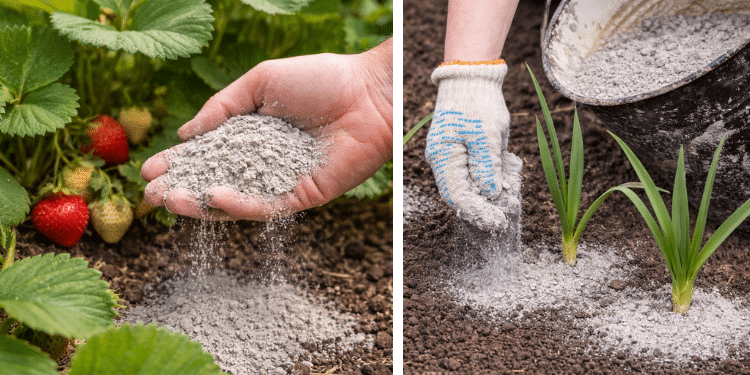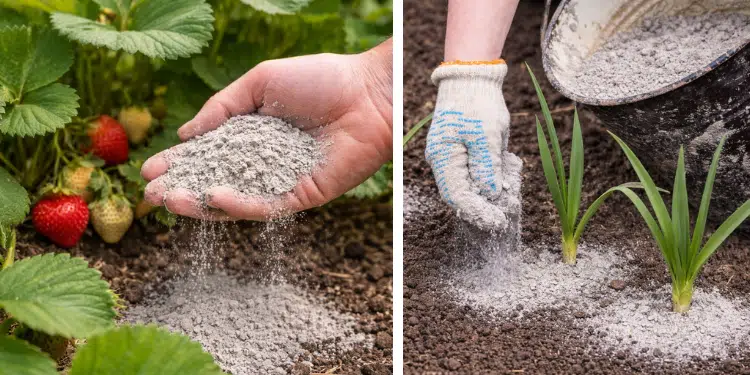
Wood ash is one of the most overlooked soil amendments in home gardening. If you burn untreated firewood in a fireplace or wood stove, the fine gray ash left behind isn’t waste – it’s a concentrated source of potassium, calcium, and trace minerals that plants can use.
For generations, gardeners spread wood ash on vegetable beds and around fruit trees to improve soil structure, sweeten acidic soil, and support flowering and fruiting crops.
But wood ash is not universally beneficial. It works best under specific conditions – especially in acidic soils – and should be used correctly to avoid imbalances.
What Makes Wood Ash Beneficial in the Garden?
Wood ash contains several plant-supporting nutrients, including:
- Potassium (K) – supports flowering, fruiting, and water regulation
- Calcium carbonate – raises soil pH and improves structure
- Magnesium – supports chlorophyll production
- Trace minerals – including phosphorus, copper, and zinc
Unlike synthetic fertilizers, wood ash does not contain nitrogen. That means it won’t stimulate excessive leafy growth – instead, it supports root strength, flowering, and fruit development.
Because ash is alkaline, its biggest benefit appears in acidic soils (pH below 6.5). In already neutral or alkaline soils, it can create imbalance.
Before applying regularly, testing soil pH is strongly recommended.
1. Tomatoes
Tomatoes benefit from wood ash primarily due to its potassium and calcium content. Potassium supports fruit formation and flavor development, while calcium contributes to strong cell walls and helps reduce blossom-end rot in acidic soils.
Wood ash works best for tomatoes when:
- Soil is slightly acidic
- Applied before planting
- Mixed into soil rather than left on the surface
Apply lightly – about ½ cup per plant area, mixed into the top few inches of soil before transplanting. Avoid placing directly against stems.
2. Peppers
Peppers are sensitive to nutrient imbalance but respond well to potassium-rich soil during flowering and fruiting.
Wood ash can support stronger fruit set and improve plant resilience under heat stress.
Best timing:
- Early spring soil preparation
- Before flowering begins
Do not overapply. A light dusting mixed into compost or soil is sufficient.
3. Beans and Peas
Legumes like beans and peas prefer slightly neutral soil. In acidic soils, wood ash can help improve growing conditions by raising pH and supplying potassium.
Because legumes fix nitrogen on their own, the potassium boost helps balance overall nutrition without encouraging excessive leafy growth.
Apply:
- Before planting
- Mixed into soil at light rates
Avoid heavy application, as legumes dislike extreme alkalinity.
4. Garlic and Onions
Alliums perform best in soil that is not overly acidic. Wood ash helps create a slightly sweeter soil environment and supplies potassium for bulb formation.
Bulb crops especially benefit from potassium during enlargement phase.
How to apply:
- Lightly incorporate ash into soil in fall or early spring
- Keep ash away from direct contact with bulbs
This can improve bulb size and firmness when soil was previously acidic.
5. Spinach and Leafy Greens (In Acidic Soil)
Spinach prefers neutral soil. If soil is too acidic, growth may be slow and leaves smaller.
A modest wood ash application can help correct soil pH and improve magnesium availability, which supports chlorophyll production.
Apply:
- Several weeks before sowing
- Mixed thoroughly into soil
Do not apply during active growth in large amounts – ash can dry leaf surfaces if sprinkled directly.
6. Carrots and Root Vegetables
Carrots prefer loose, well-balanced soil. If soil is acidic, roots may fork or develop poorly.
Wood ash can improve root conditions by:
- Increasing potassium
- Reducing acidity
- Improving mineral balance
Apply ash months before planting to allow it to integrate. Avoid fresh, heavy ash applications immediately before sowing.
7. Fruit Trees (Apple, Pear)
Fruit trees benefit from potassium for fruit development and from calcium for structural support. In acidic orchard soils, wood ash can gently correct pH and supply minerals.
Apply:
- In late winter or early spring
- Around the drip line (not at trunk)
- Lightly raked into soil
Use sparingly – excessive alkalinity can lock up iron and other micronutrients.
8. Strawberries
Strawberries benefit from potassium for fruit sweetness and development. In slightly acidic soil, very light ash applications can help balance pH.
Important:
- Use minimal amounts
- Mix into soil between rows
- Never place directly on crowns
Too much alkalinity can reduce strawberry productivity.
9. Cabbage and Brassicas
Cabbage, broccoli, and related crops prefer neutral soil. Wood ash can help reduce soil acidity and may even discourage some soil pests in certain conditions.
Potassium helps strengthen plant tissue, improving resistance to stress.
Best use:
- Mix lightly into soil before planting
- Avoid repeated heavy application
10. Asparagus
Asparagus thrives in neutral to slightly alkaline soil. If soil is acidic, wood ash can help correct it.
Because asparagus is perennial, it benefits from gradual soil improvement rather than quick changes.
Apply:
- Early spring
- Light dusting around bed
- Water in gently
Avoid annual heavy applications.
When Wood Ash Works Best
Wood ash is most effective when:
- Soil pH is below 6.5
- Used in moderation
- Mixed into soil
- Applied before planting
- Paired with organic matter like compost
It works poorly when:
- Soil is already alkaline
- Overapplied
- Applied directly on foliage
- Used on acid-loving plants
Plants That Do NOT Benefit From Wood Ash
Avoid applying wood ash to acid-loving plants such as:
- Blueberries
- Azaleas
- Rhododendrons
- Camellias
- Potatoes (can increase scab risk in some soils)
These plants prefer acidic conditions and may struggle if soil pH rises too much.
How Much Wood Ash Is Safe?
General guideline:
- No more than 10–15 pounds per 1,000 square feet annually
- Or a thin, visible dusting – never thick layers
Always spread evenly and mix into soil.
Important Safety Tips
Only use ash from:
- Untreated wood
- Natural firewood
- No painted, stained, or pressure-treated lumber
Do not use ash from charcoal briquettes or coal.
Wear gloves and avoid inhaling dust during application.
Wood ash is a traditional garden amendment that still works – when used correctly. It provides potassium, calcium, and trace minerals while gently raising soil pH.
Tomatoes, peppers, garlic, beans, fruit trees, and other crops growing in acidic soil can benefit from its balanced mineral support.