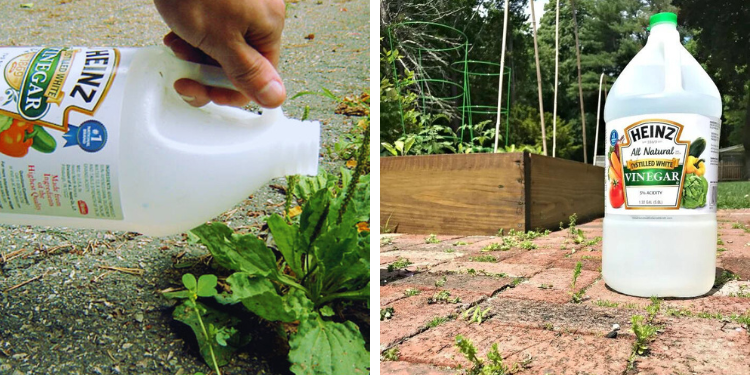
Vinegar is one of those household staples that’s earned a reputation as a “natural miracle solution.”
It’s praised as a weed killer, a cleaning agent, a pest repellent, and even a soil acidifier – and in the right circumstances, it really can be helpful in the garden.
But there’s a dark side most gardeners don’t realize until it’s too late: vinegar can also kill many of your favorite plants – even in tiny amounts.
What makes vinegar so dangerous is its acidity and antimicrobial power. These properties that make it great for cutting through grease or killing weeds are the very same ones that can burn plant tissue, disrupt root systems, sterilize soil, and destroy beneficial microbes.
Why Vinegar Is Dangerous to Plants
Vinegar’s active component is acetic acid, a powerful organic compound that disrupts plant cells and changes the soil environment.
Household vinegar contains around 5% acetic acid, while horticultural vinegar – often marketed as a natural herbicide – can range from 10% to 30%. Even at low concentrations, acetic acid can have harmful effects on plant life.
Here’s what happens when vinegar comes into contact with plants:
1. It Burns Leaves and Stems on Contact
Acetic acid dissolves cell membranes, causing plant tissues to dehydrate, collapse, and die.
Because vinegar acts as a contact herbicide, it doesn’t discriminate between weeds and garden plants – it will damage anything it touches.
Even a light mist can lead to:
- Leaf scorch or browning within hours
- Wilting and desiccation
- Loss of photosynthesis
- Dieback of tender new growth
Young seedlings, herbs, and soft-leaved plants are especially vulnerable.
2. It Alters Soil pH and Chemistry
Vinegar is highly acidic, and when it seeps into the soil, it lowers the pH. While some acid-loving plants (like blueberries or azaleas) prefer slightly acidic conditions, most garden plants thrive in soil with a pH between 6.0 and 7.0.
When vinegar disrupts this balance, you may see:
- Nutrient lock-up (plants can’t absorb key minerals)
- Root burn or rot
- Death of beneficial bacteria and fungi
- Long-term soil infertility in severe cases
3. It Destroys Beneficial Soil Life
The same antimicrobial properties that make vinegar effective against germs in the kitchen can wipe out beneficial soil microbes.
This disrupts the delicate ecosystem plants rely on for nutrient cycling, water retention, and disease resistance.
Plants That Should Never Be Exposed to Vinegar
While all plants can suffer damage if vinegar is misused, some species are especially sensitive.
Below is a detailed guide to the plants that should never be sprayed, splashed, or even exposed to vinegar drift.
1. Tender Leafy Greens (Lettuce, Spinach, Arugula, Kale)
These are among the most fragile plants in your garden. Their leaves are thin, water-rich, and highly absorbent – making them extremely vulnerable to acetic acid.
Even diluted vinegar can cause:
- Brown, crispy leaf margins
- Collapsed tissue and rapid wilting
- Death within 24–48 hours
What to do instead:
- Use a mild soapy water spray (1 tsp dish soap per liter of water) to control pests.
- Hand-weed around them rather than applying herbicides.
- Suppress weeds with organic mulch instead of vinegar.
2. Fruiting Plants (Tomatoes, Peppers, Eggplants, Cucumbers)
These plants are more robust, but vinegar’s acidity can still wreak havoc – especially during the growing and flowering stages.
Vinegar exposure can cause:
- Severe leaf burn and premature drop
- Flower abortion or bud failure
- Disrupted calcium uptake (leading to blossom-end rot)
- Reduced fruit production
Why they’re sensitive: These crops prefer a neutral pH, and vinegar-altered soil can block nutrient absorption. Their shallow root systems are also vulnerable to acid damage.
Better alternatives:
- For weed control, pull by hand or apply a thick layer of compost mulch.
- For pests, try neem oil or garlic spray.
- Improve soil health with compost tea rather than acidic solutions.
3. Legumes (Beans, Peas, Lentils)
Legumes rely on beneficial bacteria in their root nodules to fix nitrogen – and vinegar’s antimicrobial action can kill those microbes.
Damage signs include:
- Yellowing leaves (nitrogen deficiency)
- Poor pod development
- Stunted growth or death
What to do instead:
- Encourage natural nitrogen fixation by planting cover crops.
- Hand-weed around legumes or mulch with straw.
- Apply seaweed extract for gentle pest resistance and nutrient boost.
4. Herbs (Basil, Cilantro, Dill, Parsley)
Herbs are highly sensitive to vinegar’s acidity. Their essential oils and delicate tissues are easily damaged, resulting in:
- Leaf curling and brown spots
- Loss of flavor and aroma
- Rapid dieback, especially in seedlings
Better alternatives:
- For fungal problems, use a baking-soda spray (1 tsp baking soda per liter of water).
- For pests, try insecticidal soap or neem oil.
- Trim herbs regularly to improve airflow and reduce disease risk.
5. Roses, Hydrangeas, and Flowering Shrubs
Flowering shrubs have fibrous root systems that can be severely damaged by vinegar infiltration. Direct contact also harms buds, flowers, and foliage.
Damage includes:
- Burned leaves and defoliation
- Damaged buds leading to fewer blooms
- Soil pH imbalance affecting nutrient uptake
What to do instead:
- Use composted manure or organic fertilizers to nourish shrubs.
- Prune weeds manually around the base.
- For acid-loving plants, amend soil with peat moss or coffee grounds instead of vinegar.
6. Root Vegetables (Carrots, Beets, Radishes, Potatoes)
Root crops absorb nutrients (and toxins) directly from the soil, making them extremely vulnerable to pH changes.
Vinegar exposure can cause:
- Stunted or deformed roots
- Poor germination rates
- Long-term soil sterilization
Safer methods:
- Suppress weeds with straw or newspaper mulch.
- Use flame weeding tools between rows.
- Apply compost to improve structure rather than acidic sprays.
7. Perennial Flowers and Bulbs (Hostas, Daylilies, Irises, Tulips)
These plants store energy in their roots and bulbs to return each season. Vinegar damages these underground reserves, jeopardizing next year’s growth.
Typical signs:
- Weak or absent regrowth in spring
- Smaller blooms
- Increased susceptibility to winter frost
What to do instead:
- Deadhead spent flowers and hand-weed around perennials.
- Apply compost or leaf mold as mulch to suppress weeds naturally.
- Use vinegar only on hard surfaces – never in beds with perennials.
8. Lawns and Groundcovers
Grasses and groundcovers have shallow root systems that are extremely sensitive to acidic solutions. Even a few drops of vinegar can kill patches of turf.
Alternative solutions:
- Use corn gluten meal as a pre-emergent weed suppressor.
- Reseed bare patches rather than applying herbicides.
- Water deeply to crowd out weeds naturally.
Signs Your Plants Have Been Damaged by Vinegar
If you suspect vinegar has harmed your plants, act quickly. Early intervention can sometimes save them.
Here’s what to look for:
- Leaf scorch: Brown or blackened leaf edges within hours
- Wilting: Plants droop even when soil is moist
- Yellowing: Nutrient lock-out caused by pH changes
- Stunted growth: New leaves fail to emerge
- Root rot or death: Severe cases may kill the plant outright
What to Do if You Accidentally Get Vinegar on Plants
Accidents happen – but if you act quickly, you can often minimize the damage.
- Rinse immediately: Douse the leaves and soil with plenty of water to dilute the vinegar.
- Water deeply: Flush the root zone thoroughly to help neutralize acidity.
- Apply compost or lime: If the soil pH is too low, garden lime or compost can help restore balance.
- Prune damaged tissue: Remove scorched leaves or stems to reduce stress.
- Monitor growth: Be patient – recovery may take weeks.
What to Use Instead of Vinegar
If vinegar is too risky (and it usually is), there are plenty of safer alternatives for the most common garden problems:
For Weed Control
- Boiling water: Kills weeds without altering soil chemistry.
- Mulching: Smothers weeds naturally and improves soil health.
- Hand-pulling: Still the most effective and selective method.
For Pests
- Neem oil: Kills pests without harming plants.
- Insecticidal soap: Safe for most crops when used correctly.
- Beneficial insects: Ladybugs and lacewings devour aphids and other pests.
For Soil Acidification
- Elemental sulfur: A slow, controlled way to lower pH.
- Compost or coffee grounds: Add organic acidity without shocking the soil.
- Peat moss: Excellent for acid-loving plants like blueberries or azaleas.
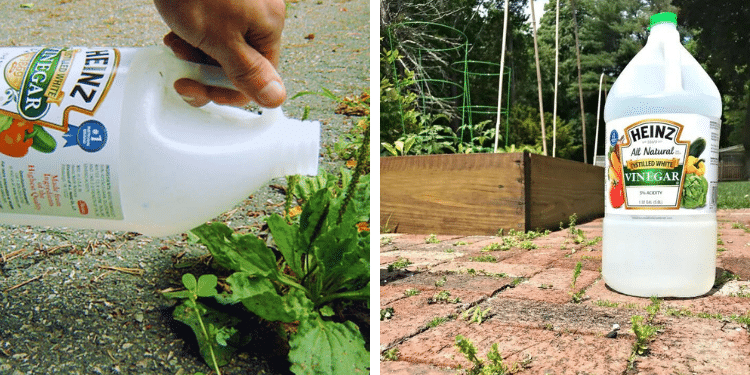
Vinegar’s reputation as a “miracle solution” often leads to misuse in the garden.
While it’s effective as a natural herbicide and cleaner, it’s also a potent acid that can kill plants, disrupt soil ecosystems, and ruin entire garden beds if applied carelessly.