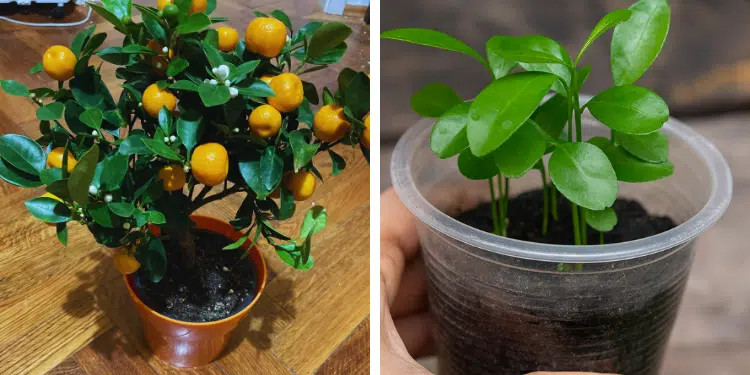
Tangerines – with their bright orange skins, refreshing citrus aroma, and sweet-tart flavor – are one of the most beloved fruits in the citrus family.
Bursting with vitamin C, antioxidants, and essential nutrients, these juicy gems are not only delicious but also incredibly rewarding to grow.
And here’s the best part: you don’t need to buy an expensive sapling from a nursery. With a little patience and the right technique, you can grow a thriving tangerine tree from seed right at home – one that produces fruit year after year for decades.
Why Grow Tangerines from Seed?
Growing a tangerine tree from seed takes patience – it can take 3 to 5 years (sometimes longer) before you see fruit.
But the rewards are more than worth it:
- Cost-effective: A single fresh fruit provides multiple viable seeds, saving you the cost of nursery plants.
- Satisfying and educational: Watching a tree grow from a tiny seed into a fruit-bearing plant is deeply rewarding.
- Sustainable: You reduce waste by using seeds from fruit you already enjoy.
- Long-lived: Tangerine trees can live and produce for 30–50 years under the right conditions.
- Beautiful and fragrant: Even before they fruit, their glossy green leaves and sweet blossoms make them a stunning ornamental plant.
Step 1: Choose the Right Tangerine and Harvest Viable Seeds
Selecting the Fruit
Start by choosing a fully ripe, organic tangerine from a local market or store. Organic fruits are less likely to contain treated or sterilized seeds, which can reduce germination success.
Look for:
- Deep orange color and firm skin (a sign of ripeness and healthy seeds)
- Juicy, sweet flavor (often linked to good seed viability)
Extracting and Cleaning the Seeds
- Cut the fruit carefully and scoop out the seeds without damaging them.
- Rinse under lukewarm water to remove pulp and sugar, which can cause mold.
- Peel off the thin outer seed coat gently with your fingernails or a knife tip (optional but improves germination).
- Dry the seeds for 24 hours on a paper towel – do not let them dry completely for several days, as citrus seeds lose viability quickly.
Step 2: Pre-Germinate the Seeds (Optional but Recommended)
While you can plant tangerine seeds directly into soil, pre-germinating them increases success and speeds up sprouting.
The Paper Towel Method
- Dampen a paper towel (moist but not soaking).
- Place seeds inside and fold the towel over them.
- Seal in a plastic bag or container to retain humidity.
- Store in a warm, dark place (70–80°F / 21–27°C).
- Check every 3–5 days – in 2–4 weeks, tiny roots will emerge.
When roots are about 1–2 cm long, the seeds are ready to plant.
Step 3: Planting Tangerine Seeds
Choosing the Right Soil
Tangerine trees need well-draining, nutrient-rich soil with a slightly acidic to neutral pH (6.0–7.0). A good mix is:
- 2 parts potting soil
- 1 part perlite or coarse sand
- 1 part compost or aged manure
This combination ensures good drainage, aeration, and fertility.
Planting Steps
- Select a container at least 6–8 inches deep with drainage holes.
- Fill with prepared soil, leaving about 1 inch from the top.
- Plant seeds ½ inch deep, root side down if visible.
- Water gently to moisten the soil – avoid waterlogging.
- Cover with plastic wrap or a humidity dome to retain moisture until germination.
Place the container in a warm, bright spot (indirect sunlight is best at this stage).
Step 4: Seedling Care – The First 6 Months
Once seedlings emerge (usually 2–6 weeks), they need consistent care to grow strong roots and healthy foliage.
Light
- Provide 12–14 hours of bright light daily. A south-facing windowsill works well.
- If natural light is insufficient, use a grow light.
Watering
- Keep soil evenly moist but never soggy. Overwatering causes root rot.
- Water when the top 1 inch of soil feels dry.
Temperature
Tangerines thrive in 70–85°F (21–29°C). Avoid drafts and sudden temperature drops.
Fertilizing
- After seedlings develop 2–3 sets of true leaves, start feeding with a diluted citrus fertilizer (half strength) once a month.
- Choose a balanced fertilizer with micronutrients like iron, zinc, and manganese.
Transplanting
- When seedlings are 6–8 inches tall and roots begin to outgrow the container, transplant into a larger pot (12–16 inches deep).
- Always handle seedlings gently to avoid root damage.
Step 5: Long-Term Care for Tangerine Trees
As your plant matures, its needs evolve. Here’s how to care for it over the next few years.
Sunlight Requirements
Tangerines are sun lovers. Once established:
- Provide 6–8 hours of direct sunlight daily.
- In colder climates, grow them indoors near a sunny window or use grow lights in winter.
Watering Schedule
- Deeply water when the top 2 inches of soil are dry.
- Reduce watering in winter when growth slows.
- Ensure pots or garden soil drains well to prevent root rot.
Fertilizing Schedule
- Feed every 4–6 weeks during spring and summer with a citrus-specific fertilizer.
- Stop fertilizing 2 months before winter dormancy.
Recommended N-P-K ratios: 2-1-1 or 3-1-1 for balanced growth and fruiting.
Pruning for Shape and Health
Pruning keeps your tree strong, compact, and productive.
- Remove weak, dead, or crossing branches annually.
- Pinch back growing tips on young trees to encourage branching.
- Avoid heavy pruning in the first two years.
Step 6: Transitioning to Outdoor Planting (Optional)
If you live in USDA Zones 9–11, you can plant your tangerine tree outdoors. Choose a location with:
- Full sun exposure
- Well-drained soil with organic matter
- Protection from strong winds and frost
Planting Tips:
- Dig a hole twice as wide as the root ball but not deeper.
- Backfill with native soil mixed with compost.
- Water deeply and mulch around the base (keep mulch away from the trunk).
Step 7: Encouraging Flowering and Fruit Production
It can take 3–7 years for a seed-grown tangerine to flower and bear fruit. However, a few techniques can help accelerate and enhance fruiting:
1. Mimic Seasonal Changes
Citrus trees flower in response to seasonal cues. Provide:
- Cooler temperatures (55–60°F / 13–16°C) in winter to stimulate dormancy.
- Warmer temperatures and more sunlight in spring to trigger blooming.
2. Balanced Feeding
- Increase phosphorus (P) and potassium (K) during pre-bloom season to encourage flowers and fruit set.
- Avoid excessive nitrogen, which promotes leafy growth over fruiting.
3. Pollination
Tangerine flowers are self-fertile but benefit from pollinators.
- Encourage bees and butterflies by planting pollinator-friendly flowers nearby.
- Indoors, gently brush flowers with a small paintbrush to transfer pollen.
4. Prune for Light Penetration
Open up the canopy slightly to improve sunlight exposure – critical for bud formation and fruit ripening.
Step 8: Harvesting Tangerines
Patience pays off – once your tree matures, it will reward you with fragrant blossoms and eventually delicious fruit.
Signs of Ripeness
- Bright orange color
- Slightly soft to the touch
- Easy to peel
- Full citrus aroma
Tangerines don’t ripen much after picking, so wait until they’re fully colored and fragrant before harvesting.
Harvesting Tips
- Use pruning shears to snip fruits with a short stem attached.
- Handle gently to avoid bruising, which reduces shelf life.
- Store in a cool, dry place for up to 2 weeks or refrigerate for up to a month.
Troubleshooting Common Problems
Even with proper care, you may encounter a few challenges. Here’s how to handle them:
1. Yellowing Leaves
Cause: Nutrient deficiency (often nitrogen or iron).
Fix: Feed with a balanced citrus fertilizer and ensure pH is 6.0–7.0.
2. Leaf Drop
Cause: Sudden temperature changes, overwatering, or underwatering.
Fix: Keep conditions stable and maintain consistent watering.
3. No Flowers or Fruit
Cause: Immaturity, too much nitrogen, or insufficient light.
Fix: Be patient, reduce nitrogen, and provide full sun.
4. Pests (Aphids, Scale, Spider Mites)
Fix: Spray with neem oil or insecticidal soap. Introduce beneficial insects like ladybugs.
5. Root Rot
Cause: Poor drainage or overwatering.
Fix: Improve soil drainage and water less frequently.
Bonus: How to Speed Up Fruiting
Growing from seed is a long game, but a few tricks can shorten the wait:
- Grafting: Once your seedling is about 1–2 years old, graft it onto a mature citrus rootstock to reduce time to fruiting.
- Use grow lights in winter: Keeps the plant growing actively and reduces dormancy time.
- Consistent care: Regular pruning, fertilizing, and pest control help your tree mature faster.
Health Benefits of Homegrown Tangerines
Fresh, homegrown tangerines are not just tastier – they’re also packed with nutrients that support overall health:
- Rich in vitamin C: Strengthens immunity and improves skin health.
- Loaded with antioxidants: Fights inflammation and oxidative stress.
- Fiber-rich: Supports digestion and gut health.
- Low in calories: A perfect snack for weight management.
- Potassium & folate: Promote heart health and blood pressure balance.
Because you control the growing conditions, homegrown fruit is free of pesticides and chemical residues – healthier for you and your family.
Sustainable Benefits of Growing Tangerines at Home
Growing your own citrus tree also benefits the planet:
- Reduces carbon footprint: Less transportation and packaging.
- Supports pollinators: Blossoms provide nectar for bees and butterflies.
- Improves indoor air quality: Citrus trees absorb CO₂ and release oxygen.
- Creates a mini-ecosystem: Birds, beneficial insects, and soil microbes thrive around fruit trees.
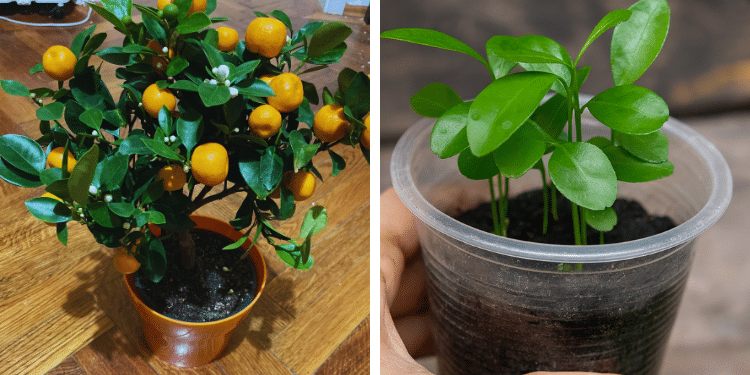
Growing a tangerine tree from seed is a journey of patience, care, and reward. It’s not an overnight project – it’s an investment in the future.
But with the right approach, your tree can provide fragrant blossoms, glossy evergreen foliage, and delicious fruit for decades.