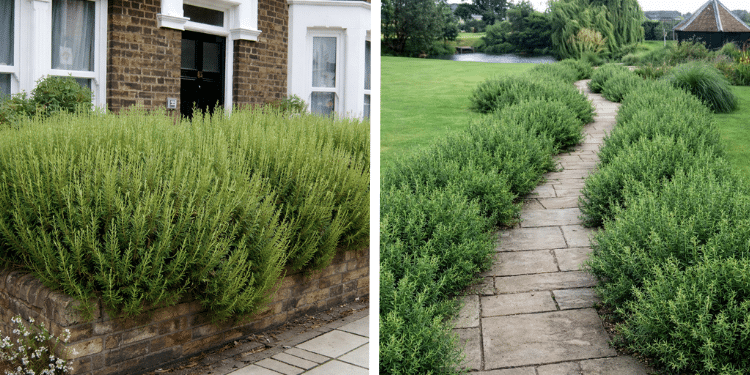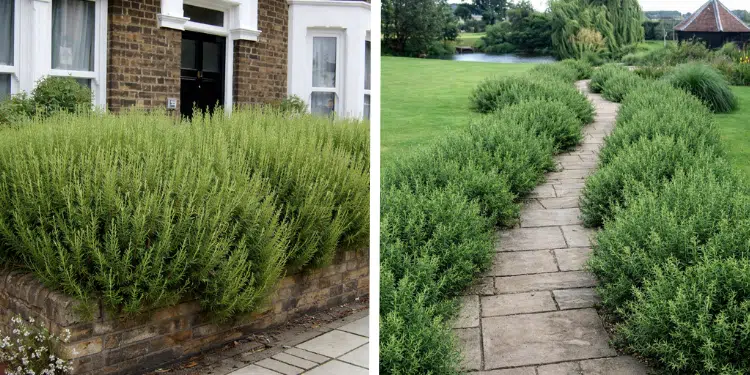
When designing a garden, most people focus on flower beds, vegetable rows, or ornamental shrubs. Walkways often become an afterthought – lined with gravel, left bare, or bordered by high-maintenance annuals.
But one simple planting decision can transform your path into one of the most practical and rewarding features in your landscape: planting Rosmarinus officinalis, commonly known as rosemary, along your walkway.
Rosemary is more than a kitchen herb. It is drought-tolerant, evergreen in mild climates, aromatic, pollinator-friendly, and remarkably resilient.
When positioned along a path where you pass daily, it becomes both functional and sensory – releasing fragrance as you brush by, strengthening soil, and adding year-round structure.
Why Walkways Deserve More Attention
Garden paths serve several purposes:
- Direct foot traffic
- Connect outdoor spaces
- Provide access to entrances
- Frame garden design
Yet they often suffer from compacted soil, reflected heat from stone or concrete, and inconsistent watering. Not every plant thrives in these conditions. Rosemary, however, excels here.
Because rosemary prefers:
- Excellent drainage
- Full sun
- Lean soil
- Moderate neglect
It is uniquely suited to walkway edges where other plants struggle.
1. It Releases Fragrance Every Time You Walk By
One of rosemary’s greatest strengths is its aromatic foliage. The needle-like leaves contain essential oils that release when warmed by sunlight or gently touched.
Planting rosemary along your walkway means:
- Daily exposure to fresh herbal fragrance
- A subtle sensory experience without effort
- A naturally refreshing entrance to your home
Unlike flowers that bloom for only part of the season, rosemary’s scent is present year-round in suitable climates.
2. It Thrives in Dry, Well-Drained Soil
Walkway borders often dry out faster than other parts of the garden. Stone, brick, or gravel reflect heat and reduce moisture retention.
Many plants struggle under these conditions, but rosemary prefers them.
It naturally grows in Mediterranean regions where soil is rocky and rainfall is limited. Once established, rosemary tolerates drought far better than most ornamental border plants.
This reduces irrigation needs and saves water over time.
3. It Creates Year-Round Structure
In climates with mild winters, rosemary remains evergreen. This provides:
- Consistent color
- Architectural texture
- Defined pathway edges
- Visual interest even in winter
While annuals fade and herbaceous perennials die back, rosemary maintains its form.
Even in colder regions where it may experience dieback, its woody base often provides seasonal texture.
4. It Supports Pollinators
Rosemary produces small blue, purple, or white flowers that attract bees and beneficial insects.
Early blooms are especially valuable when other nectar sources are scarce.
Planting rosemary along your walkway transforms your path into a pollinator corridor, supporting biodiversity while enhancing beauty.
5. It Requires Minimal Maintenance
Compared to flowering annual borders that require frequent replanting, rosemary is low-maintenance.
Once established, it needs:
- Occasional pruning
- Light watering during extreme drought
- Excellent drainage
It rarely suffers from pests or diseases if planted in proper conditions.
For busy gardeners, this is a significant advantage.
6. It Helps Prevent Soil Erosion
Rosemary develops a strong root system that stabilizes soil along path edges.
This reduces:
- Soil washout during heavy rain
- Gravel displacement
- Erosion on slopes
Because it thrives in lean soil, it does not require constant feeding to maintain vigor.
7. It Acts as a Natural Pest Deterrent
Rosemary’s strong scent may help discourage certain insects.
While it is not a guaranteed pest control solution, its aromatic oils have been studied for their insect-repelling properties.
Placing rosemary near entryways or seating areas may help reduce nuisance insects naturally.
8. It Doubles as a Culinary Resource
Few ornamental plants offer edible value. Rosemary does.
Planting it along your walkway makes it convenient to harvest fresh sprigs for cooking.
This encourages regular use and reduces the need to purchase packaged herbs. Convenience increases sustainability.
9. It Handles Heat Reflection
Concrete and stone paths absorb and reflect heat.
Many plants wilt under these conditions, but rosemary thrives in warmth and direct sun.
It actually produces more aromatic oils when exposed to strong sunlight. This makes it ideal for south-facing or exposed pathways.
10. It Enhances Property Aesthetics
Rosemary’s fine texture contrasts beautifully with hard surfaces.
It complements:
- Gravel paths
- Brick walkways
- Flagstone
- Modern minimalist landscapes
- Mediterranean-style gardens
Both upright and trailing varieties allow design flexibility.
Choosing the Right Rosemary Variety
There are two primary growth habits:
Upright Rosemary
Best for structured borders and defined edges.
Trailing Rosemary
Spills gently over stone or raised beds, softening hard lines.
Select compact varieties for narrow paths to avoid overcrowding.
How to Plant Rosemary Along a Walkway
Step 1: Improve Drainage
If soil is heavy clay, mix in sand, gravel, or composted bark to improve drainage.
Step 2: Space Properly
Allow 18–24 inches between plants for airflow.
Step 3: Water Deeply at First
Water regularly during the first growing season until roots establish.
Step 4: Reduce Watering
Once established, water only during extended dry periods.
Avoid overwatering – the most common cause of rosemary failure.
Seasonal Care Tips
Spring
Lightly prune to shape and remove winter damage.
Summer
Minimal care needed beyond occasional watering.
Fall
Avoid heavy fertilizing to prevent tender new growth before frost.
Winter
In colder climates, provide light frost protection if needed.
Common Mistakes to Avoid
- Planting in poorly drained soil
- Overwatering
- Overcrowding
- Heavy fertilization
- Planting in full shade
Rosemary thrives on moderation.
Combining Rosemary with Companion Plants
Rosemary pairs well with other drought-tolerant herbs:
- Lavender
- Thyme
- Sage
These combinations create fragrant, low-water Mediterranean-style borders.
Is Rosemary Safe Around Pets?
Rosemary is generally considered safe for pets in small quantities. However, monitor animals that chew plants excessively.
Long-Term Benefits
Over time, rosemary becomes more woody and structured.
Its longevity makes it a long-term investment in your landscape. Unlike annual borders, it does not require yearly replanting.
Planting rosemary along your walkway is one of the smartest and simplest landscape upgrades you can make.
It thrives in challenging conditions, reduces maintenance, supports pollinators, enhances aesthetics, and offers daily fragrance with minimal effort.