Lavender is one of the most beloved herbs in the world – prized for its fragrance, beauty, and endless uses in the home and garden.
From soothing teas to natural air fresheners and pollinator-friendly borders, lavender does it all.
The best part? You can easily grow lavender from cuttings — and if done right, you can get full, blooming plants in just one season without ever buying seeds or mature plants.
Why Grow Lavender from Cuttings Instead of Seeds?
Growing lavender from seed can take months and often results in inconsistent plants that don’t always resemble the parent variety.
Propagating from cuttings, on the other hand, gives you an exact clone of the parent plant – with the same fragrance, color, and growth habit.
Here’s why growing from cuttings is the smart choice:
- Faster growth: Rooted cuttings mature quickly and can bloom the same year.
- True-to-type plants: You’ll get identical flowers, color, and scent as the parent.
- Cost-effective: One lavender plant can produce dozens of new ones.
- Higher success rate: Lavender cuttings root faster than many herbs when given the right conditions.
When to Take Lavender Cuttings
The best time to take lavender cuttings depends on your growing climate, but in general:
- Spring and early summer: Take softwood cuttings – new, flexible green shoots that root quickly and bloom within the same season.
- Late summer to early fall: Take semi-hardwood cuttings – slightly mature stems that grow slower but are more resilient.
If your goal is to get blooms this year, take softwood cuttings between May and July, when the plant is actively growing.
What You’ll Need
Before you start, gather these materials to ensure high success:
- Healthy parent lavender plant
- Sharp, clean pruning shears or scissors
- Small pots or seed trays
- Well-draining potting mix (50% perlite or sand + 50% peat or compost)
- Rooting hormone powder or gel (optional but helpful)
- Clear plastic bag, dome, or mini greenhouse
- Spray bottle with water
Step-by-Step: How to Grow Lavender from Cuttings
Step 1: Select the Right Cutting
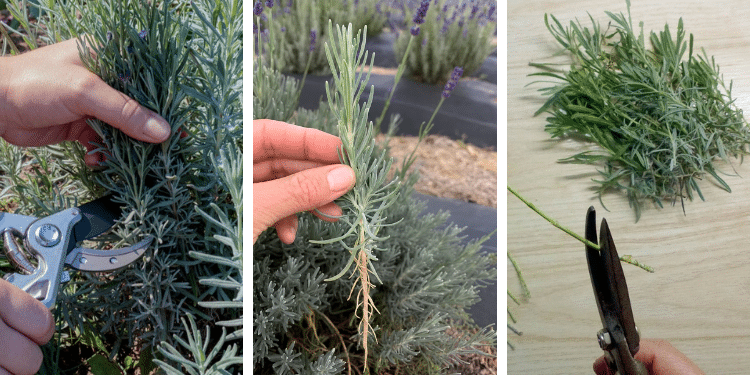
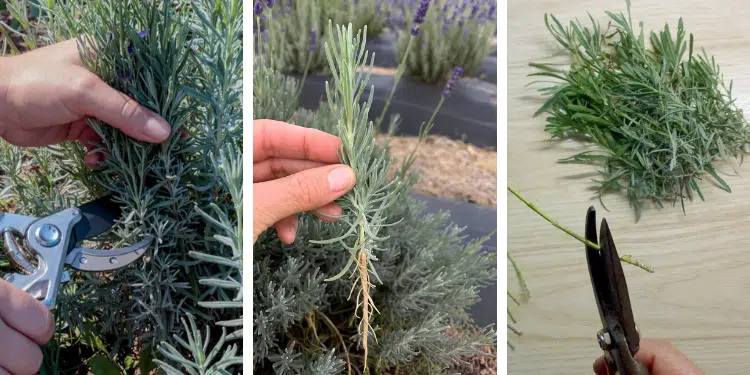
Choose a healthy lavender plant with no signs of disease or flowering stems. Cuttings taken from non-flowering shoots root more successfully.
- Cut a 4–6 inch piece just below a leaf node (where leaves attach to the stem).
- Remove any flower buds and strip the leaves from the lower half of the stem.
- Keep only a few leaves on top to allow photosynthesis.
Step 2: Prepare the Cutting for Rooting
Gently scrape the bottom inch of the stem with a clean blade to expose the inner tissue – this helps the plant form new roots.
Dip the cut end into rooting hormone powder or gel to encourage faster rooting and prevent fungal infections.
Step 3: Plant the Cutting
- Fill your pot or tray with moist, well-draining soil mix.
- Make a small hole with a pencil or stick.
- Insert the cutting about 1.5 to 2 inches deep and press the soil firmly around it.
- Mist lightly with water.
Plant several cuttings per pot, spacing them so air can circulate between stems.
Step 4: Create a Mini Greenhouse
Lavender loves warmth but not excess moisture. Cover the pot with a clear plastic bag or humidity dome, leaving small air holes for ventilation.
Place it in a bright, warm area with indirect sunlight – about 68–75°F (20–24°C). Avoid direct sun, which can overheat the cuttings.
Step 5: Keep Moist but Not Wet
Mist the soil gently every 2–3 days to keep it slightly moist. Avoid overwatering – soggy soil causes rot.
After about 2–4 weeks, check for roots by gently tugging the stem. If it resists, roots have started forming.
Step 6: Transplanting Rooted Cuttings
Once roots are about 2 inches long, transplant your young lavender plants into individual pots. Use a mix of:
- 2 parts potting soil
- 1 part sand or perlite for drainage
Keep the pots in a sunny window or greenhouse for another 2–3 weeks before moving them outdoors.
How to Get Blooms in the Same Season
To encourage early flowering, you need to help your new lavender plants grow strong, fast, and stress-free.
1. Provide Maximum Sunlight
Lavender needs 6–8 hours of full sunlight daily. Once the danger of frost has passed, move the plants outdoors to a sunny spot.
2. Don’t Overwater
Lavender thrives in slightly dry conditions. Allow the top inch of soil to dry before watering again. Too much water prevents root development and delays flowering.
3. Feed Sparingly
Use a balanced, low-nitrogen fertilizer once the plants are established. Too much nitrogen causes leafy growth instead of blooms.
4. Pinch the Tips
Once your cuttings have established roots and started growing, pinch off the top ½ inch of new growth. This encourages branching, resulting in a fuller plant and more flowering stems later in the season.
5. Acclimate Gradually
Before moving your plants outdoors permanently, harden them off by exposing them to direct sunlight for a few hours each day for a week. This prevents transplant shock.
When to Expect Flowers
If you took cuttings in early spring, your lavender plants can begin to flower by mid to late summer.
Softwood cuttings root quickly and grow vigorously – and with proper sunlight and care, you’ll enjoy beautiful blooms and fragrance within the same growing season.
Semi-hardwood cuttings (taken in late summer) typically bloom the following year but develop stronger, more resilient root systems.
Troubleshooting Common Problems
1. Cuttings Rot Before Rooting
Cause: Too much humidity or water.
Fix: Improve drainage, use less misting, and ensure good airflow.
2. Leaves Turning Yellow or Brown
Cause: Overwatering or poor drainage.
Fix: Let the soil dry out and ensure your pots have drainage holes.
3. No Roots Forming
Cause: Too little warmth or light.
Fix: Move cuttings to a brighter, warmer location or use a heating mat.
Overwintering Your New Lavender Plants
If you live in a region with cold winters, protect your young lavender plants by:
- Bringing them indoors before frost.
- Placing them near a sunny window.
- Watering sparingly during winter dormancy.
Next spring, move them back outdoors and prune lightly to encourage fresh growth and more blooms.
Lavender Varieties That Root Easily
Some lavender types propagate more successfully than others. For fast results, try these reliable varieties:
- English Lavender (Lavandula angustifolia) – classic fragrance and hardy blooms
- French Lavender (Lavandula dentata) – quick-growing with serrated leaves
- Spanish Lavender (Lavandula stoechas) – early bloomer with butterfly-like petals
- Lavandin (Lavandula x intermedia) – vigorous hybrid known for strong scent and abundant flowers
Propagating lavender from cuttings is one of the most rewarding and cost-effective gardening projects you can do.
With the right technique and a little patience, you can turn one lavender plant into a dozen – and enjoy fresh blooms, fragrance, and pollinators in your garden all season long.