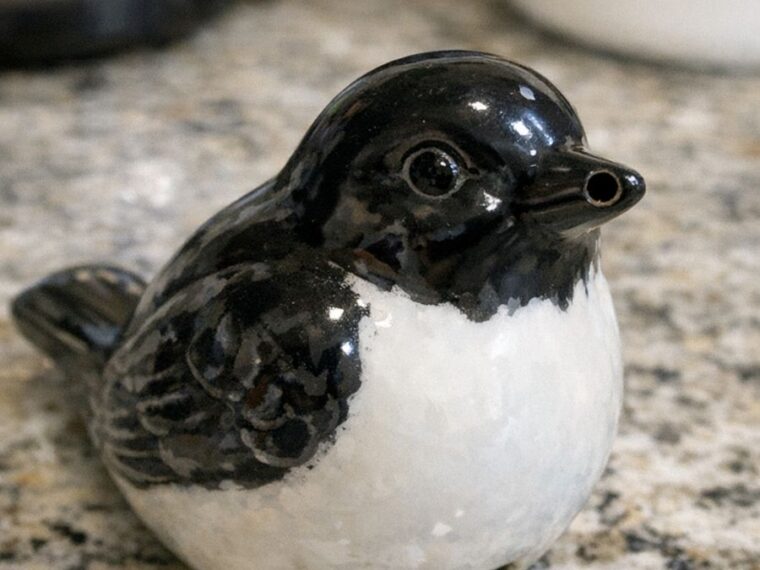
As you rummage through a box of old kitchen utensils, you stumble upon a peculiar find: a hollow ceramic bird with a hole in its beak and another at the bottom. It seems out of place among the usual pots, pans, and spatulas. What could it possibly be used for?
At first glance, it might appear to be a decorative piece, perhaps a whimsical touch to someone’s kitchen décor. However, this little bird holds more than its charming appearance suggests. It’s a tool with a long tradition in baking, specifically for making pies. Let’s delve into the world of pie birds to understand their purpose and history.
1. What You Actually Found: Identifying the Ceramic Pie Bird
The ceramic bird you’ve found is known as a pie bird or pie funnel. These small, hollow devices are typically made of ceramic and are designed to vent steam from pies during baking, preventing them from bubbling over. Measurements can vary, but they are often around 3 to 4 inches tall.
Pie birds usually have a small hole at the bottom and another at the top, often styled as the beak of the bird. This design allows steam to escape through the bird, reducing the chance of a pie boiling over. They come in various colors and styles, often resembling whimsical birds, though other animal shapes can be found.
2. How a Hollow Bird With Two Holes Helps Bake Better Pies
The primary function of a pie bird is to prevent the pie filling from boiling over and creating a mess in the oven. When placed in the center of a pie, the hollow structure allows steam to escape efficiently through the beak while the pie cooks.
This aids in keeping the crust crisp and dry by directing moisture away from it. By providing an outlet for steam, it helps maintain the ideal baking environment within the pie, ensuring even cooking and preventing the filling from becoming too watery.
3. A Short History of Pie Birds and Why They Look So Odd
Pie birds have been used for centuries, with their origins tracing back to Europe. The concept emerged as a practical solution to a common problem faced by bakers: how to prevent pies from spilling over during baking.
The distinctive bird shape became popular in the Victorian era, partly due to its aesthetic appeal and partly because the bird’s beak provided a natural and effective steam vent. Over time, the design evolved, but the core function remained the same.
4. Spotting the Clues: Beak And Bottom Holes, Glaze, And Shape
To confirm if your ceramic bird is indeed a pie bird, look for certain features: a hollow interior, holes at the top and bottom, and often a glaze finish. The beak and bottom hole are essential for its steam-venting role.
The glaze not only adds a decorative touch but also makes the ceramic more durable and easier to clean. The shape, while often resembling a bird, can vary widely, adding a touch of personality to each piece.
5. How To Use a Pie Bird Step-By-Step in Your Next Fruit Pie
Using a pie bird is simple. First, roll out your pie dough and place the bottom crust in the pie pan. Position the pie bird in the center of the crust before adding your filling.
Once the filling is added, place the top crust over the pie, making sure to cut a small slit to accommodate the bird’s head poking through. Crimp the edges of the crust around the pie bird to seal it in place. As the pie bakes, the bird will guide steam through its beak, keeping your pie crust crispy and delicious.
6. Why Bakers Swear By Pie Birds for Preventing Soggy Crusts
Bakers value pie birds for their effectiveness in maintaining a crisp crust. By venting steam efficiently, they prevent the moisture in the filling from seeping into the crust, which can lead to a soggy texture.
This is particularly important for fruit pies, where the natural juices of the filling can easily overwhelm the crust. The pie bird helps to balance the moisture, ensuring a perfect bake every time.
7. Safety And Care: Cleaning, Cracks, Lead Glaze, And Heat Limits
When using and caring for a pie bird, safety and maintenance are key. Ensure your pie bird is free from cracks, as these can harbor bacteria or cause it to break during baking. If the glaze contains lead, it should not be used for baking due to health risks.
Most pie birds can withstand typical baking temperatures, but they should be cleaned gently to preserve the glaze and prevent damage. Hand washing with mild soap is recommended over using a dishwasher.
8. Collectible or Just Cute? Checking Value and Maker’s Marks
Pie birds can be quite collectible, depending on their age, rarity, and condition. Some may have maker’s marks on the bottom, indicating the manufacturer and possibly increasing their value.
Collectors often seek out unique designs, limited editions, or pie birds from renowned pottery makers. Researching the origin and history of your pie bird can help determine if it’s a valuable collectible or simply a charming kitchen tool.
9. Fun Ways to Display a Pie Bird If You Never Bake Pies
Even if you don’t bake pies regularly, pie birds can make delightful decorative pieces. Display them in a kitchen cabinet or on a shelf where they can add a touch of whimsy.
You can also incorporate them into a themed display with other vintage kitchen items or use them as conversation starters during gatherings. Their unique design and vibrant colors make them an attractive addition to any decor.
10. Other Vintage Kitchen Oddities That Look Like Toys but Aren’t
The kitchen is home to many vintage tools that resemble toys but serve practical purposes. For example, egg coddlers, butter molds, and sugar sifters often have playful designs.
These items, like pie birds, were designed with both function and form in mind, blending utility with visual appeal. Discovering and understanding these tools can offer a fascinating glimpse into the culinary practices of the past.
11. When to Keep, Gift, or Sell Your Newly Discovered Pie Bird
Deciding what to do with your pie bird depends on its value and your personal preference. If it has significant sentimental or monetary value, you might choose to keep it as a cherished heirloom or part of a collection.
If the piece is particularly unique or collectible, selling it could be worthwhile. Alternatively, gifting it to a friend or family member who enjoys baking or appreciates vintage kitchenware can be a thoughtful gesture. Whatever you decide, this charming piece is sure to bring joy to its new home.