Houseplants have always been a popular way to bring a touch of nature into our homes. They not only enhance the aesthetic appeal of our living spaces but also offer a host of health benefits such as improving air quality and reducing stress. Among the myriad options available, there is one plant that stands out for its unique ability to propagate easily, making it a favorite among both novice and experienced plant enthusiasts.
Known for its cascading green leaves and the ability to produce numerous offshoots, this plant is perfect for those who love to share greenery with friends or expand their own indoor garden. Commonly referred to as the Spider Plant, this resilient houseplant is not only low maintenance but also safe for pets, making it an ideal choice for animal lovers.
1. Meet the Spider Plant: The Houseplant That Makes Endless Babies
The Spider Plant, scientifically known as Chlorophytum comosum, is a popular houseplant renowned for its easy propagation and low maintenance requirements. Native to tropical and southern Africa, this plant has adapted well to indoor environments worldwide. It features long, arching leaves that are usually green with white or yellow variegation, growing up to 12-15 inches in length.
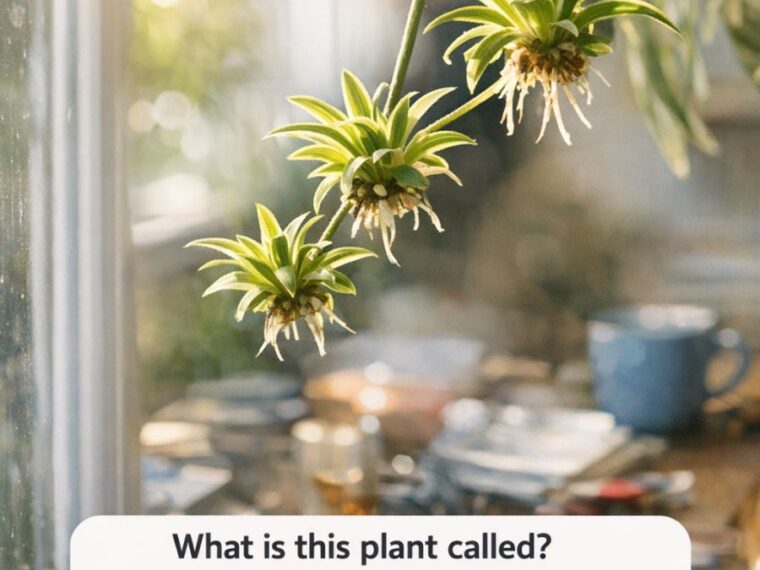
One of the most remarkable features of the Spider Plant is its ability to produce offshoots, commonly referred to as ‘spiderettes’ or ‘babies.’ These offshoots emerge from the main plant on long stems and can be easily propagated to grow new plants. This characteristic makes the Spider Plant a favorite for those looking to expand their collection or share plants with others.
2. Why Spider Plants Are Perfect for Pet Owners
Spider Plants are non-toxic to both cats and dogs, making them an excellent choice for pet owners who want to keep their furry friends safe. Many common houseplants can be harmful if ingested by pets, but the Spider Plant poses no such risk, providing peace of mind while still allowing for a lush indoor garden.
Additionally, Spider Plants are known for their air-purifying qualities. They can help remove pollutants such as formaldehyde and xylene from the air, contributing to a healthier home environment for both humans and pets. This dual benefit of safety and air purification makes the Spider Plant a valuable addition to any pet-friendly household.
3. How Spider Plant ‘Babies’ Form and When to Harvest Them
Spider Plant babies form on long stems called stolons that the plant sends out when it’s mature and healthy. These stolons can appear after the plant blooms small white flowers. Each baby, or spiderette, has tiny roots that begin to develop while still attached to the mother plant.
The best time to harvest these babies is when their roots are at least 1-2 centimeters long. This ensures they have a higher chance of survival when transplanted. If the roots are too small, they might struggle to establish themselves in a new pot, but if left attached too long, they might start draining resources from the mother plant.
4. Step-By-Step Guide: Propagating Spider Plant Babies in Water
To propagate Spider Plant babies in water, begin by gently removing a spiderette from the mother plant. Choose one with visible small roots for best results. Fill a small glass or jar with water and place the spiderette inside, ensuring that only the roots are submerged.
Position the glass in a spot with indirect sunlight, and change the water every few days to keep it fresh. Within a couple of weeks, you should notice new root growth. Once the roots have grown to about 2-3 inches long, the plantlet can be transferred to soil.
5. Step-By-Step Guide: Propagating Spider Plant Babies in Soil
To propagate directly in soil, choose a small pot with drainage holes and fill it with a well-draining potting mix. Make a small hole in the center and gently place the spiderette into the hole, covering the roots with soil.
Water the soil lightly to settle it around the roots, and place the pot in a location with indirect sunlight. Keep the soil consistently moist but not waterlogged. After a few weeks, the spiderette should establish itself and begin to grow.
6. How Many Times Can You Replant Spider Plant Offshoots?
Spider Plant offshoots can be replanted multiple times as long as the mother plant remains healthy and continues to produce them. There is no set limit to how many times they can be propagated, making them an infinite source of new plants.
The key to successful replanting lies in ensuring the mother plant receives adequate care, such as proper watering, lighting, and nutrients. As long as these conditions are met, the plant should continue to produce healthy spiderettes that can be propagated indefinitely.
7. Ideal Light, Water, and Soil Conditions for Thriving Spider Plants
Spider Plants thrive in bright, indirect light but can also tolerate lower light conditions, making them versatile for various indoor environments. Direct sunlight should be avoided as it can scorch the leaves.
These plants prefer to be watered thoroughly but should not be left in soggy soil. Allow the top layer of soil to dry out between waterings to prevent root rot. A well-draining potting mix is ideal, as it helps maintain the right moisture levels while providing necessary nutrients.
8. Common Spider Plant Problems and How to Fix Them
One common issue with Spider Plants is browning leaf tips, often caused by overwatering, underwatering, or fluoride in tap water. To fix this, ensure proper watering habits and consider using distilled or rainwater.
Pests such as spider mites can also occasionally affect Spider Plants. Regularly inspect the leaves and use insecticidal soap or neem oil to manage infestations. Providing proper care and promptly addressing issues can help maintain a healthy plant.
9. Fun Ways to Use Your Endless Spider Plant Babies at Home
Spider Plant babies offer creative opportunities for home decoration. Use them to create hanging baskets for a lush, cascading effect, or plant them in unique containers for interesting centerpieces.
They can also be shared with friends and family as thoughtful gifts. With their easy propagation, the possibilities are endless, allowing you to spread greenery and joy throughout your home and beyond.
10. Where to Buy Spider Plants and What to Look For in a Healthy Starter Plant
Spider Plants are widely available at most garden centers, nurseries, and even online plant retailers. When selecting a plant, look for vibrant, green foliage without brown tips or signs of pest damage
A healthy starter plant should have firm, well-established roots and no signs of wilting. Opt for plants that already have a few spiderettes, as this indicates the plant is mature and thriving, ready to continue producing new offshoots in your care.