Washing your hair seems like a straightforward task, but you might be surprised to learn that many people are doing it wrong. While it may seem like a simple rinse and repeat process, there are numerous factors that can affect the health and appearance of your hair, from the type of products you use to the frequency and timing of your washes.
In this article, we’ll unravel the mysteries of hair washing and provide you with expert-backed advice on how to optimize your routine. Whether you have curly, straight, thick, or thin hair, understanding the right way to wash your hair can make all the difference in maintaining its health and luster. Let’s dive in and see what you might be doing wrong and how to set it right.
1. The Common Hair Washing Mistakes
One of the most common mistakes people make is washing their hair too frequently. Over-washing strips the hair of its natural oils, leading to dryness and breakage. Another common error is applying shampoo directly to the scalp without properly wetting the hair first, which can cause uneven coverage and irritation.
Many people also underestimate the importance of rinsing. Incomplete rinsing leaves residue in the hair, making it look dull and lifeless. Furthermore, using the wrong type of shampoo for your hair type can lead to unnecessary damage. It’s crucial to avoid shampoos with harsh sulfates if you have sensitive or dry hair.
2. Understanding Your Hair Type
Different hair types require different care routines. For example, curly hair tends to be drier than straight hair and thus benefits from less frequent washing and more moisturizing treatments. Those with fine hair may need to wash more often to avoid oil buildup, while those with thick hair can often go longer between washes.
Identifying your hair type is the first step in tailoring your washing routine. Consider factors such as curl pattern, thickness, porosity, and scalp condition. If you’re unsure, consult with a hairstylist to determine your specific needs.
3. The Ideal Frequency of Hair Washing
The ideal frequency for washing your hair largely depends on your hair type and lifestyle. For most people, washing every 2-3 days is sufficient. This allows your scalp’s natural oils to nourish your hair without causing greasiness. However, those with particularly oily hair may need to wash more frequently, while those with dry or curly hair might wash less often.
It’s also important to consider your daily activities. If you exercise regularly or live in a polluted environment, you might need to adjust your washing schedule accordingly. Listen to your hair and scalp, and adapt as necessary.
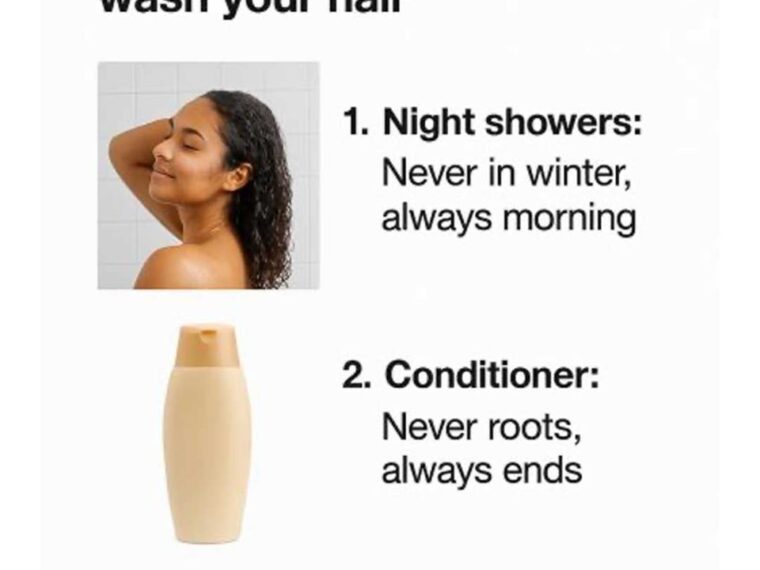
4. Why Timing Matters: Morning vs. Night Showers
The timing of your hair washing can affect its appearance and manageability. Washing your hair in the morning can be beneficial if you want fresh, voluminous hair throughout the day. However, if you shower at night, you give your hair time to dry naturally, which can minimize heat damage from blow-drying.
Consider your schedule and lifestyle when deciding when to wash your hair. If you’re someone who sweats at night or wakes up with oily hair, a morning wash might be more suitable. Conversely, if you prefer having extra time in the morning, washing at night could be more convenient.
5. The Science Behind Shampooing Every 2-3 Days
Shampooing every 2-3 days strikes a balance between removing dirt and preserving natural oils. Natural oils, or sebum, produced by the scalp, play a vital role in keeping hair moisturized and protected. Over-washing strips these oils, leading to dryness and potential damage.
Moreover, frequent washing can cause the scalp to overproduce oil in an attempt to compensate for the loss, creating a vicious cycle of greasy hair and over-washing. By extending the time between washes, you allow your scalp to regulate its oil production naturally.
6. Conditioner Application: Why It Should Never Touch the Roots
Applying conditioner to the roots can weigh down hair and make it look greasy. Conditioners are formulated to moisturize the hair shaft, which is naturally dryer than the scalp. Concentrate the product on the mid-lengths to the ends of your hair, where moisture is needed most.
Applying conditioner correctly can prevent build-up on the scalp, which can lead to clogged pores and potential scalp issues. Leave the conditioner on for a few minutes to allow it to penetrate the hair before rinsing thoroughly with cool water to seal the cuticles.
7. The Risks of Using Hot Water on Your Hair
Hot water can strip the hair of its natural oils, leading to dryness and brittleness. It opens the hair cuticles, which can cause frizz and make hair more susceptible to damage. While a hot shower might feel relaxing, it’s not the best choice for hair health.
Additionally, hot water can irritate the scalp, potentially leading to dryness and dandruff. Opt for lukewarm water when washing your hair to protect its natural moisture balance and maintain a healthy scalp.
8. The Benefits of Lukewarm Water Rinses
Lukewarm water is gentle on the hair and helps maintain its natural moisture balance. It effectively cleanses the scalp without causing irritation or dryness. Rinsing with lukewarm water also helps seal the hair cuticles, reducing frizz and enhancing shine.
For the final rinse, consider using cool water to further smooth the cuticles and lock in moisture. This simple change in your routine can significantly improve the texture and appearance of your hair over time.
9. Popular Viral Hair Washing Hacks: Do They Work?
Social media is rife with hair washing hacks, from using dry shampoo on clean hair to extending time between washes, to applying vinegar rinses for shine. While some hacks can be beneficial, others may do more harm than good. For example, overuse of dry shampoo can lead to scalp build-up and irritation.
It’s important to approach these hacks with caution and consider your hair type and needs. Natural remedies like apple cider vinegar rinses can help balance scalp pH, but should be used sparingly to avoid over-drying. Always do a patch test before trying a new product or technique.
10. The Impact of Weather and Season on Hair Washing Routine
Weather and seasonal changes can greatly impact your hair’s needs. In humid conditions, hair may feel oilier and require more frequent washing. Conversely, in dry, winter weather, hair may need less washing and more hydration.
Adjust your routine to accommodate these changes. In the summer, lightweight products and more frequent washes can help manage oil. In the winter, focus on moisturizing treatments and extend the time between washes to prevent dryness.
11. Expert Tips for Maintaining Healthy Hair
Experts recommend a balanced diet rich in vitamins and minerals to support hair health from the inside out. Incorporate foods high in biotin, vitamin E, and omega-3 fatty acids for optimal results. Regular trims every 6-8 weeks can prevent split ends and promote healthy growth
Select hair care products tailored to your specific needs and avoid those with harsh chemicals. Incorporate a weekly deep conditioning treatment into your routine for added moisture and repair. Remember, healthy hair starts with a healthy scalp, so be sure to address any scalp issues promptly.