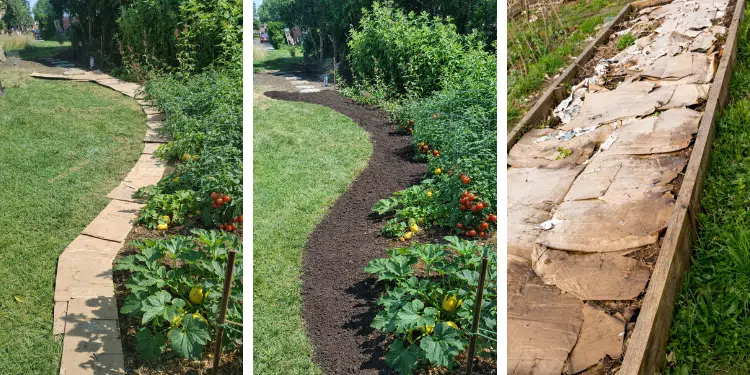
Cardboard mulch is one of the simplest, cheapest, and most effective weed-suppression methods available to home gardeners.
Instead of sending cardboard to the recycling bin, many experienced gardeners lay it directly over soil to block weeds, retain moisture, and improve soil structure over time.
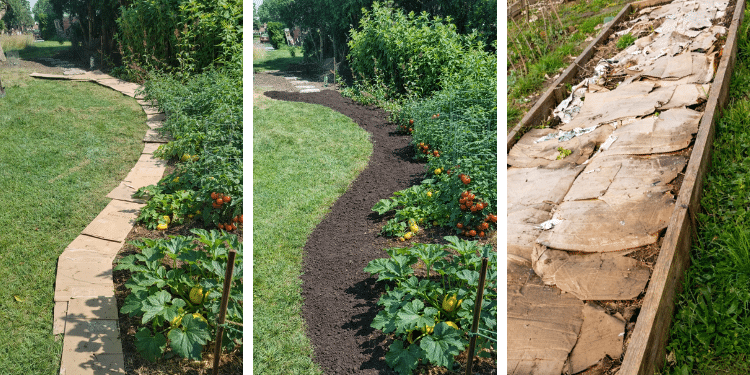
When laid correctly, cardboard acts as a biodegradable barrier that mimics natural forest floor layering. It suppresses light to weeds while allowing water and air to pass through.
As it breaks down, it feeds soil organisms and encourages earthworm activity – improving long-term soil health.
However, cardboard mulch is not ideal for every plant. It works best for crops that benefit from moisture retention, weed reduction, and stable soil temperatures.
Why Cardboard Mulch Works
Cardboard functions as a temporary light barrier. Without light, most weed seeds cannot germinate. At the same time, cardboard absorbs water and gradually softens, allowing rain and irrigation to pass through.
Key benefits include:
- Weed suppression
- Soil moisture retention
- Reduced temperature swings
- Earthworm attraction
- Soil structure improvement
- Reduced labor over time
Unlike plastic mulch, cardboard decomposes naturally and improves soil biology instead of harming it.
For best results, cardboard should always be covered with compost, wood chips, or straw to hold it in place and improve aesthetics.
1. Tomatoes
Tomatoes thrive when soil moisture remains consistent. Fluctuating moisture levels can contribute to blossom-end rot and fruit cracking.
Cardboard mulch benefits tomatoes by:
- Blocking weed competition
- Maintaining even soil moisture
- Reducing soil splash (which spreads disease)
- Supporting earthworm activity
How to apply: Lay cardboard around tomato plants after transplanting. Leave space around the stem to prevent rot. Cover with 2–3 inches of compost or straw.
2. Peppers
Peppers prefer warm, stable soil conditions. Cardboard helps maintain warmth early in the season while limiting weed growth.
Benefits for peppers:
- Moisture consistency
- Reduced root disturbance
- Cleaner fruit
- Less nutrient competition
Use smaller cardboard sections around each plant rather than covering the entire bed if soil is still warming.
3. Squash and Zucchini
Large-leafed squash plants benefit from strong weed suppression early in growth. Cardboard allows them to spread without competing weeds underneath.
Why it works:
- Suppresses aggressive weeds
- Keeps soil moist during fruit development
- Reduces mud splash on fruits
Lay cardboard before vines spread. Cover with straw or wood chips to prevent it from lifting in wind.
4. Cucumbers
Cucumbers are shallow-rooted and sensitive to root disturbance. Cardboard mulch reduces the need for hand weeding.
Benefits:
- Less soil drying
- Weed control around vines
- Cleaner fruit
Install cardboard early, ideally right after planting or transplanting.
5. Strawberries
Strawberries love weed-free beds. Cardboard mulch works especially well for new strawberry plantings.
Advantages:
- Blocks invasive weeds
- Helps maintain soil moisture
- Protects developing fruit
Cut holes for each plant and cover cardboard with straw for added insulation.
6. Fruit Trees (Young Trees Especially)
Young fruit trees benefit greatly from weed suppression around the root zone. Grass competition can reduce tree growth.
Cardboard mulch helps by:
- Eliminating grass competition
- Retaining moisture
- Supporting soil biology
Lay cardboard in a circle around the tree (at least 2–3 feet wide). Keep material several inches away from the trunk to prevent rot.
7. Raspberries and Blackberries
Brambles spread aggressively but struggle against strong weeds when young.
Cardboard mulch:
- Reduces weed competition
- Makes harvesting easier
- Improves soil moisture balance
Install between rows and cover with wood chips.
8. Perennial Herbs (Rosemary, Thyme, Sage)
Many perennial herbs prefer low competition. Cardboard mulch is useful during establishment.
It helps by:
- Suppressing early weeds
- Encouraging deep root growth
- Reducing maintenance
Because herbs prefer good drainage, use thinner cardboard layers and avoid overly wet areas.
9. Asparagus
Asparagus beds can last decades. Weed pressure often reduces yield over time.
Cardboard mulch:
- Controls weeds
- Improves soil structure
- Protects shallow roots
Apply in early spring before spears emerge and cover with compost or straw.
10. Pumpkins and Melons
Like squash, pumpkins benefit from weed-free soil during early growth.
Cardboard mulch:
- Reduces weed competition
- Maintains consistent soil moisture
- Keeps fruit cleaner
Lay cardboard before vines spread across the bed.
11. Flower Beds (Perennials and Shrubs)
Cardboard mulch is widely used in ornamental landscaping to reduce weeds under shrubs and perennial flowers.
Benefits:
- Dramatically reduces maintenance
- Supports healthy soil life
- Provides long-term weed suppression
Lay cardboard across the entire bed, overlap edges, and cover with decorative mulch.
12. Raised Beds (Seasonal Crops)
Cardboard can be used in raised beds to suppress weeds at the start of the season or when converting lawn to garden.
Use it:
- As the first layer in new beds
- Under compost when creating no-dig gardens
- During bed renovation
This method is popular in no-dig and permaculture gardening.
How to Lay Cardboard Mulch Properly
Correct installation makes all the difference.
Step 1: Remove Tape and Glossy Surfaces
Use plain brown cardboard only. Remove plastic tape, staples, and glossy printed sections.
Step 2: Overlap Edges
Overlap cardboard pieces by at least 3–6 inches to prevent weeds from growing through seams.
Step 3: Water Thoroughly
Wet cardboard after laying it down. This softens it and helps it conform to soil.
Step 4: Cover With Organic Material
Always cover cardboard with:
- Compost
- Wood chips
- Straw
- Leaf mulch
This prevents wind lift and improves decomposition.
Step 5: Keep Stems Clear
Never press cardboard directly against plant stems or tree trunks.
When Cardboard Mulch Works Best
Cardboard mulch works best:
- When converting lawn to garden
- In perennial beds
- In vegetable gardens with large plants
- During dry climates
- In weed-heavy areas
It is less effective in constantly wet climates where breakdown is extremely rapid.
Common Mistakes to Avoid
Avoid these errors:
- Using waxed or heavily printed cardboard
- Leaving cardboard uncovered
- Blocking plant stems
- Overlapping too little
- Using thick multi-layer stacks that block water
One or two layers are usually enough.
How Long Does Cardboard Last?
Cardboard typically lasts:
- 3–6 months in warm climates
- Up to 12 months in dry or cool conditions
As it decomposes, it feeds soil microbes and improves organic matter content.
Cardboard mulch is one of the simplest sustainable gardening techniques available.
When used correctly, it suppresses weeds, retains moisture, encourages earthworms, and improves soil structure over time.