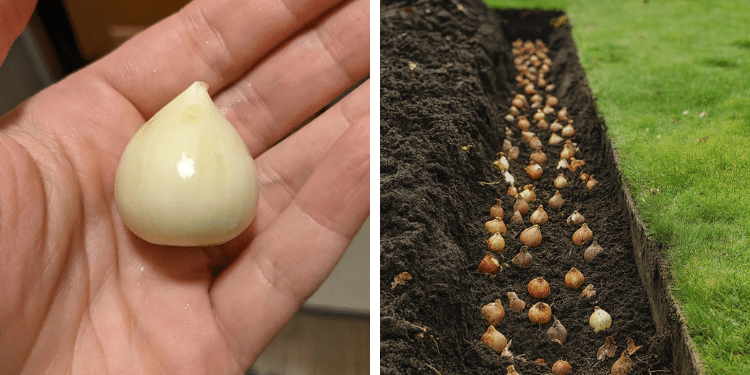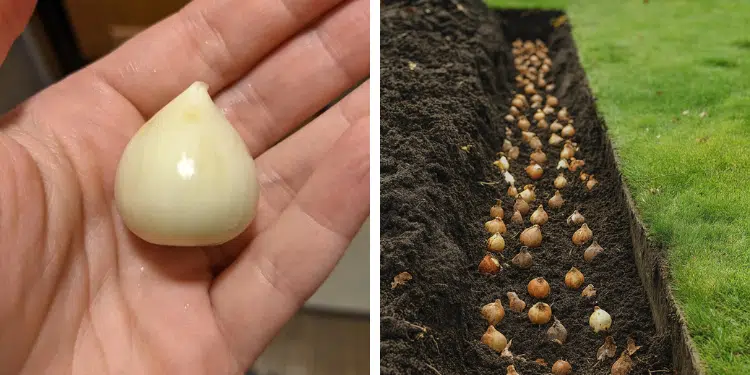
Garlic is one of the easiest and most satisfying crops you can grow – and the best part is that you can start with something you already have in your kitchen.
Every time you chop garlic for cooking, you’re holding the potential for an entire new bulb right in your hands. Save just one healthy clove, and you can grow an unlimited supply of garlic for years to come.
But growing garlic successfully requires a few essential tricks. Many beginners plant their cloves incorrectly, choose the wrong soil, water too much, or skip the most important step: timing.
Garlic is incredibly resilient, but it thrives when planted and cared for in the right way.
Why Growing Garlic From a Single Clove Works So Well
Garlic grows differently from most vegetables. Instead of planting seeds, you plant a single clove – and that one clove multiplies into a full head of garlic by the time harvest arrives.
Here’s why garlic is so easy to propagate:
- Each clove is a storage organ filled with nutrients
- It contains all the genetic programming needed for a full bulb
- Once planted, the clove sprouts new roots and leaves
- Over time, it divides underground into 6–12 new cloves
- Every clove from the new bulb can be replanted again
This means one clove today can become dozens of bulbs in just a few seasons.
But only if planted correctly.
Step 1: Choose the Perfect Clove (Most People Skip This)
Not every kitchen clove will grow into a strong bulb. The quality of your harvest depends entirely on the clove you plant.
Choose cloves that are:
- Large (bigger cloves grow bigger bulbs)
- Firm and plump
- Free from mold or soft spots
- Not shriveled
- With intact papery skin
Do NOT use:
- Tiny inner cloves
- Cloves from garlic treated with growth inhibitors
- Garlic stored in the fridge
- Cloves with dark or mushy patches
Should you plant grocery store garlic?
You can – BUT varieties labeled “softneck” grow best in warm climates and store longer. “Hardneck” garlic, often sold at farmers’ markets, grows the biggest bulbs and produces delicious garlic scapes.
Whenever possible, choose organic garlic to avoid anti-sprouting treatments.
Step 2: Plant at the Right Time (This Is the Secret to Big Bulbs)
Timing is everything when growing garlic. If you want bulbs instead of small, onion-like rounds, you need to plant cloves during the correct season.
The best time: Autumn – especially September to early November
Why fall is best:
- Warm soil encourages root growth
- Cold winter temperatures trigger bulb formation
- Garlic sprouts early in spring before weeds take over
- Plants grow larger with more time in the ground
If you live in a warm climate (zones 8–10), plant in December or January.
You can plant garlic in spring – but the bulbs will be smaller, and the plant may produce a single round instead of multiple cloves.
Step 3: Prepare Loose, Nutrient-Rich Soil
Garlic hates heavy, compacted soil. It needs loose, fluffy earth so the bulbs can expand.
Ideal soil:
- Well-draining
- Rich in compost
- Slightly acidic to neutral (pH 6–7)
- Loosened 6–8 inches deep
Avoid:
- Clay soil
- Waterlogged or soggy areas
- Beds with lots of rocks
If your soil is heavy, grow garlic in raised beds or containers – it thrives in pots.
Step 4: Plant the Clove the Right Way (Most People Plant Too Shallow)
Once your soil is ready, it’s time to plant. But positioning matters.
Planting method:
- Dig a hole 2–3 inches deep.
- Place the clove pointy side up, root end down.
- Cover gently with soil.
- Space cloves 6 inches apart for large bulbs.
- Water lightly to settle the soil.
If planted upside-down, garlic will still grow – but much slower and weaker.
Step 5: Add Mulch to Protect Your Garlic Through Winter
Mulching is one of the most important tricks for strong garlic growth.
Use:
- Straw
- Leaves
- Grass clippings (dried)
- Pine needles
Mulch helps:
- Protect cloves from freezing
- Maintain soil moisture
- Prevent weeds
- Keep temperature stable
- Enrich the soil as it breaks down
A 3–4 inch layer is ideal.
Step 6: Water Correctly – Garlic Hates Overwatering
Garlic needs consistent moisture, but it cannot tolerate sitting in wet soil.
Watering schedule:
- Fall: One light watering after planting
- Winter: Usually no watering needed
- Spring: Water once the top inch of soil is dry
- Late June: Stop watering when the tops begin to flop
Overwatering causes:
- Rot
- Small bulbs
- Fungal diseases
Underwatering causes:
- Thin bulbs
- Dry, tough cloves
Balance is key.
Step 7: Watch for Garlic Scapes in Spring (Hardneck Only)
If you planted hardneck garlic, it will produce curly stems in late spring called scapes.
Remove the scapes
Cut them off once they curl. If you leave them on, the plant focuses on seed production instead of bulb growth.
Removing scapes can increase bulb size by 20–30%.
And yes – scapes are delicious! Use them in pesto, stir-fries, soups, and roasted dishes.
Step 8: Know When Garlic Is Ready to Harvest
Harvesting too early results in small bulbs. Harvesting too late causes the cloves to split in the ground.
Perfect harvest timing:
- The bottom leaves turn brown
- The top 3–4 leaves remain green
- Bulbs feel full and plump when dug gently
This usually happens in:
- June or early July for fall-planted garlic
- August for spring-planted garlic
Always dig garlic carefully using a fork – don’t pull the stem.
Step 9: Cure Your Garlic for Long Storage
Freshly dug garlic needs to dry for several weeks to develop its classic flavor.
How to cure garlic:
- Brush dirt off – do NOT wash.
- Hang in a shaded, dry, airy location.
- Cure for 2–4 weeks.
- Trim roots and stems once dry.
- Store in a cool, dark, ventilated place.
Properly cured garlic lasts 6–12 months.
Step 10: Save the Biggest Cloves to Replant (Unlimited Garlic Supply)
Here’s the true secret to growing unlimited garlic:
Always save your largest, healthiest cloves for replanting next season.
This creates:
- Bigger bulbs every year
- Stronger genetics
- Adapted plants that thrive in your soil
- A self-sustaining garlic patch
Each year, set aside your best bulbs – not the smallest ones.
This single trick transforms your garlic harvest long-term.
Common Mistakes to Avoid
Many gardeners fail with garlic because of small but crucial errors. Avoid these:
- Planting cloves too late or too early
- Using tiny inner cloves
- Overwatering
- Planting in compact soil
- Not removing scapes
- Harvesting too early
- Storing garlic in the refrigerator
- Planting without mulch
Fix these, and your garlic will thrive.
Growing garlic from a single clove is one of the simplest joys of gardening – and one of the most rewarding.
Once you learn the timing, soil needs, and key tricks, you can produce enormous bulbs year after year with very little effort.