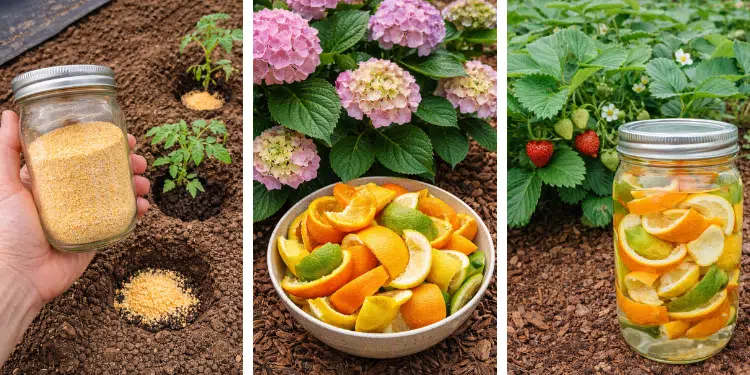
Citrus peels are one of the most overlooked garden resources. Most households throw away orange, lemon, lime, and grapefruit peels without realizing they can be turned into a powerful soil booster, pest deterrent, compost accelerator, and microbial support material.
When used correctly, citrus peels can improve soil structure, feed beneficial organisms, and support certain acid-loving and heavy-feeding plants.
The key is knowing which plants benefit from citrus peels – and how to apply them properly. Used incorrectly, large chunks can decompose slowly or temporarily tie up nitrogen.
Used correctly, they become a slow-release organic amendment and a natural garden helper.
Why Citrus Peels Help Certain Plants
Citrus peels contain:
- Potassium
- Calcium
- Trace phosphorus
- Natural oils and bioflavonoids
- Organic acids
- Fiber that feeds soil microbes
As peels decompose, they feed beneficial soil organisms and gradually release nutrients. Their mild acidity also makes them particularly useful around plants that prefer slightly acidic soil conditions.
Citrus peels are most effective when:
- Chopped small
- Dried and crushed
- Composted first
- Used as peel tea
- Buried shallowly – not left whole on the surface
Best Ways to Prepare Citrus Peels for Garden Use
Before we look at the plants, preparation matters.
The most effective methods are:
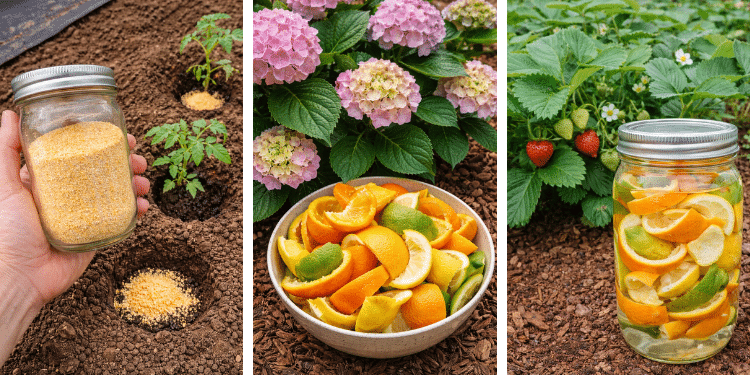
- Dry and crush: Air-dry peels, then grind into flakes or powder. This breaks them down faster.
- Chop and bury: Cut into small pieces and bury 2–4 inches deep near root zones.
- Compost first: Composting removes excess oils and speeds nutrient availability.
- Make citrus peel tea: Soak chopped peels in water 24–48 hours, then use diluted liquid to water soil.
Avoid placing large fresh peels directly on top of soil – they break down slowly and may attract pests.
Blueberries – Acid Support + Microbial Boost
Blueberries require acidic soil and active microbial life to absorb nutrients properly. Citrus peels help indirectly by feeding soil microbes and gently nudging pH downward over time.
Best method is dried peel powder. Dry peels fully, grind them, then sprinkle 1–2 tablespoons around the drip line of the plant – not at the stem.
Lightly scratch into the mulch layer and water. Do this every 4–6 weeks during the growing season.
You can also add citrus peels to compost used for blueberry mulch blends with pine needles and leaf mold.
Avoid fresh peels – they break down too slowly near shallow blueberry roots.
Strawberries – Potassium Support + Pest Confusion
Strawberries are shallow-rooted and sensitive to surface conditions. They benefit from citrus peel nutrients but need gentle application.
Use citrus peel compost, not raw peels. Mix finished compost containing citrus into the top 2–3 inches of soil before planting or between rows after harvest.
Another good method is citrus tea – soak chopped peels 48 hours, dilute 1:1, and water the soil between plants once per month. This provides trace potassium without disturbing roots.
Never place peel pieces under strawberry crowns – it can invite rot.
Roses – Trace Minerals + Soil Biology
Roses are deep feeders that respond strongly to micro-nutrient diversity and biologically active soil.
Best approach is compost integration. Add citrus peels to your compost pile regularly, then apply that compost around roses in spring and early summer.
You can also bury finely chopped peels 4–6 inches deep around the outer root zone – never against the stem. Soil microbes break them down and transport nutrients inward.
Apply 2–3 times per season, not weekly.
Tomatoes – Calcium + Potassium Reserve
Tomatoes benefit most when citrus peels are used before planting.
Dig a trench 6–8 inches deep and place chopped peels mixed with compost at the bottom, then cover with soil before transplanting tomatoes above. This creates a slow nutrient reserve zone below the root line.
Do not put fresh peels directly in the planting hole – mix with compost first to prevent nitrogen tie-up.
You can also side-dress midseason with peel compost once when flowering begins.
Peppers – Flowering Stage Support
Peppers respond well to citrus peel nutrients during flowering and fruit set.
Best method is citrus tea feeding. Steep peels, dilute, and water soil every 3–4 weeks once buds appear. This supports potassium needs without heavy fertilization.
Avoid peel burial near pepper stems – roots are sensitive.
Hydrangeas – Color + pH Influence Support
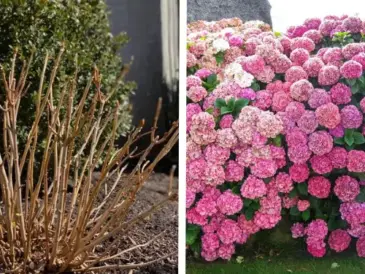
Blue hydrangeas prefer acidic soil. Citrus peel compost contributes mild long-term acidity support.
Top-dress with compost that includes citrus in early spring and midsummer. Combine with pine needle mulch for better effect.
Do not rely on citrus alone for color change – it’s supportive, not decisive.
Azaleas – Acid Mulch Companion
Azaleas thrive in forest-like soil conditions. Citrus peel compost works best when blended into mulch layers, not soil digging.
Mix peel compost into leaf mulch and apply 1–2 inches deep around shrubs annually.
Avoid fresh peels – azalea roots are shallow and sensitive.
Gardenias – Gentle Feeding Only
Gardenias are nutrient sensitive. Use only fully composted citrus and apply lightly.
Top-dress once in spring and once in early summer. Never bury fresh peels near roots – it can stress the plant.
Spinach – Pre-Plant Soil Enrichment
Spinach benefits from citrus peels only when used before planting.
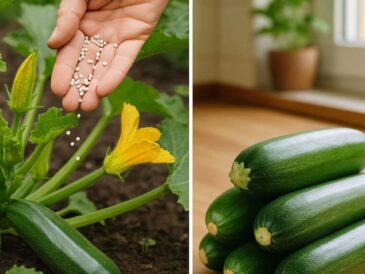
Mix peel compost into soil 2–3 weeks before sowing. This improves micronutrient diversity without disturbing shallow roots later.
Do not apply during growth stage.
Broccoli – Compost Diversity Booste
Broccoli prefers microbially rich soil. Citrus compost contributes to this diversity.
Work compost into soil pre-plant and once again midseason as a side dressing. Keep material 3 inches away from stems.
Houseplants – Diluted Citrus Tea Only
Only certain houseplants tolerate mild acidity (ferns, some tropical foliage plants).
Use very diluted citrus tea – 1 part tea to 3 parts water – once every 6 weeks. Water soil only, not leaves.
Avoid for succulents and cacti.
Compost – The Best Universal Citrus Use
Composting citrus peels is the safest and most beneficial method overall. Chop peels small and mix with dry leaves or cardboard. This balances moisture and speeds breakdown.
Finished citrus compost benefits nearly all garden plants safely.
Important Mistakes to Avoid With Citrus Peels
Citrus peels are beneficial – but only when used correctly.
Avoid:
- Large fresh peel pieces on soil surface
- Thick layers around stems
- Use in worm bins in excess
- Heavy use around neutral-soil plants
- Direct contact with seedlings
Moderation and preparation matter more than quantity.
Best Application Frequency
For most plants:
- Compost form: anytime
- Powdered dried peel: monthly light use
- Citrus tea: every 3–5 weeks
- Soil burial: pre-plant only
Think of citrus peels as a soil booster, not a primary fertilizer.
Citrus peels are far too valuable to throw away. When properly prepared, they become a slow-release nutrient source, microbial food, compost accelerator, and mild acidifying amendment.
Acid-loving plants, heavy feeders, flowering shrubs, and fruiting vegetables can all benefit from their smart use.