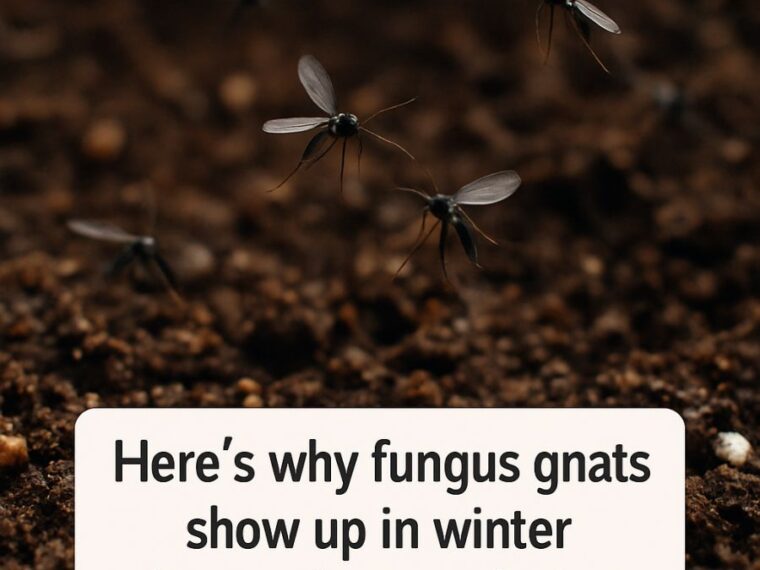
As the days grow shorter and temperatures drop, many plant enthusiasts bring their beloved greenery indoors to protect them from the harsh winter weather. However, this seasonal transition often comes with an unwelcome guest: fungus gnats. Despite their tiny size, these persistent pests can become a significant nuisance, swarming around your home and potentially harming your plants.
Understanding why fungus gnats are attracted to your indoor plants during the winter months is crucial for keeping these pests at bay. This article explores the various factors that make your home an inviting environment for fungus gnats and offers insights into preventing infestations, ensuring your houseplants remain healthy and vibrant throughout the season.
1. Why Fungus Gnats Love Your Winter Houseplants
Fungus gnats are attracted to the moist environments typically found in houseplant soil, especially when plants are moved indoors for the winter. They thrive in warm, humid conditions and are particularly drawn to the organic matter in potting soil. The larvae feed on fungi, algae, and plant roots, which are abundant in the rich, damp environments of indoor plants.
Indoor conditions during the winter, such as consistent temperatures and reduced air circulation, provide an ideal habitat for fungus gnats. This is compounded by the fact that many houseplants are kept in spaces with minimal ventilation, allowing for the buildup of moisture and organic matter that these pests need to survive.
2. The Role Of Overwatering When Days Get Shorter
Overwatering is one of the primary contributors to fungus gnat infestations. As daylight decreases, plant growth slows, and their water requirements diminish. However, many plant owners continue to water their plants as frequently as they did during the growing season, leading to consistently wet soil, which is ideal for fungus gnats.
Proper watering techniques, such as allowing the top inch of soil to dry out between waterings, can significantly reduce the risk of attracting fungus gnats. Ensuring that pots have proper drainage and avoiding waterlogged conditions will help maintain a healthy environment for your plants while deterring pests.
3. How Low Light And Slow Growth Create Gnat-Friendly Soil
During winter, indoor plants often receive less light, leading to slower growth rates. This reduction in photosynthesis means plants use less water, yet the soil may remain moist for extended periods. Fungus gnats thrive in this damp, stagnant soil, where their larvae can feed on decaying organic matter and roots.
To counteract this, consider supplementing natural light with grow lights and adjusting your watering schedule to match your plants’ reduced water needs. This approach helps create a less hospitable environment for fungus gnats while supporting your plants’ health.
4. Potting Mix Ingredients That Attract Fungus Gnats
The composition of potting mix can significantly influence the presence of fungus gnats. High organic content, such as peat moss and compost, retains moisture and provides abundant food for gnat larvae. These ingredients, while beneficial for plant growth, can also create ideal conditions for pests if not managed properly.
Choosing a well-draining potting mix with a balance of organic and inorganic materials, like perlite or sand, can help reduce moisture retention and deter fungus gnats. Additionally, adding a layer of coarse sand or gravel on top of the soil can prevent adult gnats from laying eggs in the soil.
5. Hidden Moisture Traps: Saucers, Cachepots, And Decorative Containers
Saucers, cachepots, and decorative containers often trap excess water, leading to overly moist conditions that are perfect for fungus gnats. Water that accumulates in these hidden areas can keep soil constantly damp, providing a breeding ground for pests.
Regularly emptying excess water from saucers and ensuring pots have adequate drainage can prevent these moisture traps from becoming a problem. Using pots with drainage holes and ensuring they are appropriately sized for your plants can also help maintain healthy soil moisture levels.
6. Bringing Pests Indoors With New Plants And Holiday Gifts
New plants and holiday gifts are common sources of fungus gnat infestations. These plants may already harbor gnat eggs or larvae, which can quickly spread to other plants once inside your home.
To prevent this, quarantine new plants for a few weeks before integrating them with your existing collection. Inspect the soil and foliage for signs of pests, and consider repotting with fresh, sterile soil if an infestation is suspected.
7. Using Outdoor Soil, Compost, Or Garden Dirt Inside
Using outdoor soil, compost, or garden dirt in indoor pots introduces a variety of microorganisms and pests, including fungus gnats. These materials often contain organic matter that provides ample food for gnat larvae and may already be infested with eggs.
Instead, opt for sterile, commercial potting mixes specifically designed for indoor use. These products are formulated to minimize pest issues and provide the right balance of nutrients for houseplants.
8. Reusing Old Potting Mix Without Sterilizing It
Reusing old potting mix without proper sterilization can perpetuate fungus gnat problems. Old soil may still harbor eggs or larvae, leading to a recurring infestation cycle.
Before reusing potting soil, sterilize it by baking it in the oven at 180°F for 30 minutes or using a microwave to eliminate any pests. Alternatively, mix it with fresh potting soil to rejuvenate its nutrient content while reducing pest risks.
9. How Humidifiers And Pebble Trays Make Conditions Perfect For Gnats
Humidifiers and pebble trays are often used to increase humidity for tropical plants during the dry winter months. However, these methods can inadvertently create ideal conditions for fungus gnats by keeping the surrounding air and soil consistently moist.
To balance humidity without encouraging gnats, position humidifiers away from plant soil and ensure good air circulation. Regularly check pebble trays to prevent standing water, which can contribute to excessively moist soil conditions.
10. Popular Watering Hacks That Accidentally Encourage Fungus Gnats
Watering hacks, such as bottom watering or self-watering pots, can inadvertently create conditions conducive to fungus gnats by keeping soil too moist. These methods often do not allow for the top layer of soil to dry out, providing an ideal environment for gnat reproduction.
Implementing these techniques with caution and monitoring soil moisture levels can prevent these issues. Allow the top inch of soil to dry out and adjust watering frequency based on the season and plant needs.
11. Viral Soil And Propagation Trends That Spread Gnat Infestations
Trends like propagating plants in water or using unconventional soil amendments can encourage fungus gnat infestations. Water propagation, while popular, keeps roots submerged and can promote algae growth, attracting gnats.
To combat this, maintain cleanliness in propagation vessels and change water regularly. If using unique soil amendments, ensure they are well-draining and do not retain excessive moisture.
12. Why Sticky Traps Work—And What They Reveal About The Real Problem
Sticky traps are an effective way to monitor and reduce adult fungus gnat populations. These traps catch flying adults, preventing them from laying eggs in the soil and providing a visible indication of the infestation level.
While sticky traps help manage the symptoms, they do not address the root cause: overly moist soil. Regularly inspecting traps can help identify when soil moisture management needs adjustment, emphasizing the importance of addressing underlying conditions to fully resolve the issue.