February is the perfect time to propagate houseplants.
With spring just around the corner, your plants will be entering their active growth phase, making it an ideal time for new cuttings to establish roots.
Whether you want to expand your indoor garden or share plants with friends, propagating houseplants is an easy and cost-effective way to do so.
Here are 16 houseplants that you should propagate in February for healthy, thriving growth.
Why Propagate Houseplants in February?
Propagating houseplants in February ensures that new cuttings will be ready for the growing season. The benefits include:
- Encouraging New Growth: Plants respond well to propagation as they wake from dormancy.
- Boosting Plant Health: Pruning for propagation helps plants stay strong and vibrant.
- Expanding Your Collection: Create more plants from existing ones without extra cost.
- Easy Root Development: Warmer temperatures and longer daylight hours support faster rooting.
1. Pothos (Epipremnum aureum)
Why Propagate?
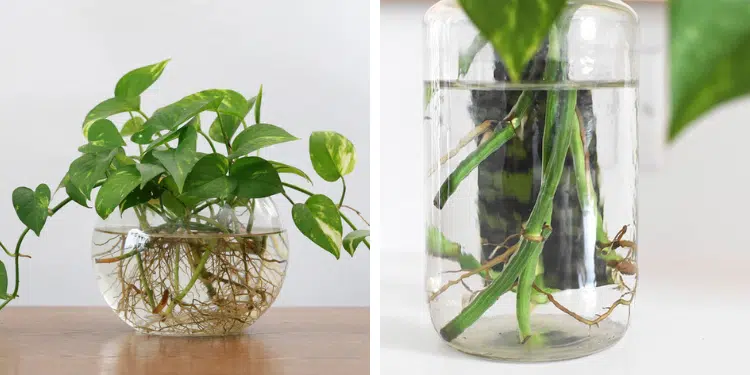
Pothos is one of the easiest houseplants to propagate, making it ideal for beginners. It roots quickly in both soil and water.
How to Propagate:
- Take a cutting with at least two nodes.
- Submerge the cutting in water or plant it in soil.
- Place in bright, indirect light and refresh the water regularly.
2. Spider Plant (Chlorophytum comosum)
Why Propagate?
Spider plants naturally produce baby offshoots, known as “spiderettes,” which make propagation effortless.
How to Propagate:
- Snip off the baby plantlets.
- Place them in water or soil until they develop strong roots.
- Transplant into a small pot once established.
3. Snake Plant (Sansevieria trifasciata)
Why Propagate?
Snake plants are tough, low-maintenance houseplants that can be propagated through division or leaf cuttings.
How to Propagate:
- Cut a healthy leaf into sections and place in water.
- Alternatively, divide the plant at the root level.
- Allow roots to form before repotting.
4. Philodendron (Philodendron spp.)
Why Propagate?
Philodendrons grow quickly and propagate easily in water or soil.
How to Propagate:
- Cut a stem just below a node.
- Submerge in water or plant directly in soil.
- Keep in a humid environment for faster growth.
5. ZZ Plant (Zamioculcas zamiifolia)
Why Propagate?
ZZ plants are slow growers, but propagation through leaf cuttings can be highly successful.
How to Propagate:
- Remove a leaf and place in water or soil.
- Expect root formation in 4-6 weeks.
- Keep in low to medium indirect light.
6. Monstera (Monstera deliciosa)
Why Propagate?
Monstera plants thrive when propagated during early spring, making February a great start.
How to Propagate:
- Take a cutting with an aerial root.
- Place in water and wait for root development.
- Transfer to soil once roots are well-developed.
7. Jade Plant (Crassula ovata)
Why Propagate?
Jade plants are succulent favorites that propagate easily from leaf or stem cuttings.
How to Propagate:
- Allow cuttings to dry for 24 hours.
- Plant in well-draining succulent soil.
- Water sparingly until roots form.
8. Peace Lily (Spathiphyllum spp.)
Why Propagate?
Peace lilies can be propagated through division, ensuring new growth without much effort.
How to Propagate:
- Carefully divide the root ball into smaller sections.
- Repot each section in fresh soil.
- Water thoroughly and place in indirect light.
9. Rubber Plant (Ficus elastica)
Why Propagate?
Rubber plants grow well from stem cuttings and can adapt to water or soil propagation.
How to Propagate:
- Cut a healthy stem and let it dry for a few hours.
- Place in water or directly in soil.
- Keep in bright, indirect light.
10. Chinese Money Plant (Pilea peperomioides)
Why Propagate?
Pilea plants produce many offshoots, which makes them easy to propagate.
How to Propagate:
- Gently remove baby plants from the main stem.
- Plant directly in soil and keep moist.
- Provide indirect sunlight.
11. Begonia (Begonia spp.)
Why Propagate?
Begonias are stunning, easy-to-grow plants that propagate well from leaf cuttings.
How to Propagate:
- Cut a leaf and place in water.
- Wait for small roots to develop before planting in soil.
- Keep in high humidity for best results.
12. String of Pearls (Senecio rowleyanus)
Why Propagate?
This unique trailing succulent propagates quickly from stem cuttings.
How to Propagate:
- Snip a healthy stem and let it callous for a few hours.
- Place directly on top of soil and mist regularly.
- Keep in bright, indirect light.
13. Hoya (Hoya spp.)
Why Propagate?
Hoya plants root easily from cuttings and can be grown in water or soil.
How to Propagate:
- Take a stem cutting with a node.
- Place in water or soil and keep humid.
- Provide indirect sunlight for best growth.
14. Alocasia (Alocasia spp.)
Why Propagate?
Alocasia plants grow best when divided at the root, ensuring strong propagation.
How to Propagate:
- Separate rhizomes from the parent plant.
- Plant in moist, well-draining soil.
- Keep in a humid environment.
15. African Violet (Saintpaulia spp.)
Why Propagate?
African violets propagate well from leaf cuttings, making them perfect for beginners.
How to Propagate:
- Cut a healthy leaf and place it in water.
- Wait for roots to form before planting in soil.
- Keep in bright, indirect light.
16. Coleus (Plectranthus scutellarioides)
Why Propagate?
Coleus is an easy-to-grow plant that roots quickly in water.
How to Propagate:
- Take a soft stem cutting.
- Place in water and wait for roots to form.
- Transplant into soil when roots are a few inches long.
February is an excellent time to propagate houseplants, as they prepare for their spring growth.
By propagating these 16 plants, you can expand your indoor garden, share new plants with friends, and enjoy the benefits of a thriving plant collection.