Wake up dormant peonies at the right time to set them up for bigger, fuller blooms later

Peonies are beloved for their lush, fragrant blooms that can transform any garden into a spectacle of color and beauty. However, to enjoy these magnificent flowers, gardeners must understand the importance of timing and care in waking up these perennials from their winter dormancy. Properly timed and executed care can result in bigger, fuller blooms that are the envy of the neighborhood.

In this article, we will explore the essential steps and considerations for reviving dormant peonies. From understanding the biological processes behind dormancy to providing the right conditions for growth, you’ll learn how to nurture your peonies through each crucial stage. Let’s dive into the world of peonies and discover the secrets to cultivating these stunning flowers.

1. Understand How Peony Dormancy Sets Up Future Blooms

Peonies enter a state of dormancy during the winter months to conserve energy and protect themselves from harsh weather conditions. This period is crucial as it sets the stage for the plant’s future growth and blooming potential. During dormancy, peonies focus on developing strong root systems that will later support their lush foliage and flowers.

Understanding this natural cycle is essential for gardeners. By allowing peonies to fully rest during dormancy, you enable them to store the necessary nutrients and energy required for robust growth in the spring. This process also involves the accumulation of carbohydrates in the roots, which are later converted into energy for developing buds and blooms.

2. Learn the Exact Signs Your Peonies Are Ready to Wake Up

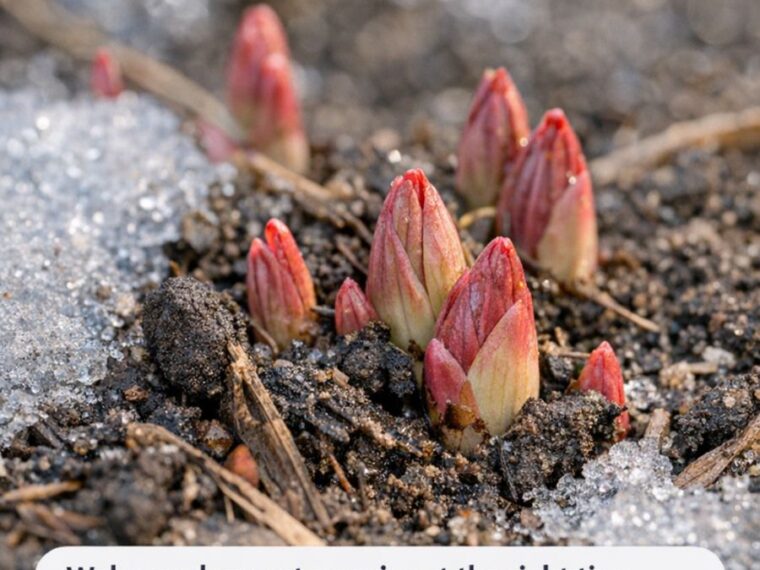
As winter fades, peonies will start to show signs of waking up from dormancy. One of the first indicators is the emergence of reddish or pink shoots breaking through the soil. These shoots are the beginnings of new stems and leaves. Monitoring soil temperature can also be helpful; when the soil consistently reaches about 55°F (13°C), peonies typically begin their active growth phase.

In addition to visual cues, observing changes in local weather patterns, such as longer daylight hours and warmer temperatures, can also signal that your peonies are ready to awaken. It’s important to be patient and wait for these signs before taking any action, as premature intervention can disrupt the plant’s natural cycle.

3. Time Your Wake‑Up Call to Your Local Climate and Zone

Peonies thrive in a range of climates, but timing their wake-up call according to your specific USDA hardiness zone is crucial to their success. For example, in zones 3 to 7, peonies typically begin to emerge in early to mid-spring, while in warmer climates, this process may occur earlier.

Local climate conditions, such as late frosts or unexpected cold snaps, should also be considered. A sudden drop in temperature can damage tender new growth, so it’s essential to monitor weather forecasts and be prepared to provide protection if necessary. Adjusting your care routine based on these factors will ensure that your peonies have the best chance of thriving.

4. Clear Winter Debris Without Damaging Tender New Shoots

As your peonies begin to wake up, it’s time to clear away any winter debris that may be covering the soil. This includes fallen leaves, old mulch, and any dead plant material from the previous season. However, care must be taken not to damage the tender new shoots that are emerging.

Use your hands or a small rake to gently remove debris, taking care to avoid disturbing the soil too much. This will not only provide a clean environment for your peonies to grow but also help prevent diseases and pests that thrive in decaying plant matter.

5. Cut Back Old Stems Correctly to Channel Energy Into Buds

Pruning is an essential part of peony care that helps direct the plant’s energy into producing new growth and blooms. In early spring, cut back any old, dead stems to about 1 to 2 inches above the soil level. This encourages the plant to focus its energy on developing strong new stems and buds.

Use clean, sharp pruning shears to make precise cuts, as ragged edges can become entry points for disease. By removing old growth, you also improve air circulation around the plant, which is crucial for preventing fungal infections.

6. Revive Soil With Spring Feeding for Bigger, Fuller Flowers

To support the vigorous growth of your peonies, enriching the soil with nutrients in the spring is vital. Apply a balanced, slow-release fertilizer, preferably one that is high in phosphorus to encourage root and bloom development. A 10-10-10 NPK (nitrogen-phosphorus-potassium) fertilizer is a good option.

Spread the fertilizer around the base of the plant, keeping it at least a few inches away from the shoots to prevent burn. Water the area thoroughly to help the nutrients penetrate the soil. This feeding will provide the peonies with the essential elements needed for large, healthy blooms.

7. Water Smart: Moisture Routines That Supercharge Bloom Size

Proper watering is crucial for peonies, especially during their active growth and blooming periods. Peonies generally require about 1 to 2 inches of water per week, either from rainfall or supplemental watering. It’s best to water deeply and less frequently to encourage deep root growth.

Avoid overhead watering, which can lead to fungal diseases. Instead, use a soaker hose or drip irrigation to deliver moisture directly to the soil. Consistent watering, especially during dry spells, will help ensure that your peonies produce large, full blooms.

8. Use Mulch Strategically to Warm Soil and Protect New Growth

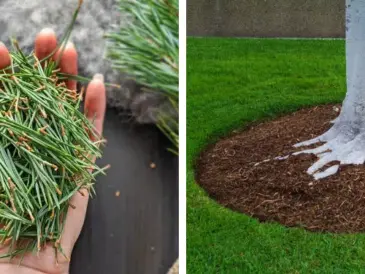
Mulching plays a significant role in maintaining soil temperature and moisture levels for peonies. Apply a 2 to 3-inch layer of organic mulch, such as shredded bark or compost, around the base of the plant. This helps insulate the soil, retain moisture, and suppress weeds.

Be sure to keep the mulch a few inches away from the base of the peony stems to prevent rot. Mulching not only protects new growth from temperature fluctuations but also enhances the soil’s fertility as it breaks down over time.

9. Divide and Replant Overcrowded Clumps to Boost Flower Power

Over time, peony clumps can become overcrowded, leading to reduced blooming. Dividing the clumps every 4 to 5 years rejuvenates the plant and promotes healthier growth. The best time to divide peonies is in the fall, after the foliage has died back.

Carefully dig up the clump and gently separate the tuberous roots, ensuring each division has at least 3 to 5 eyes (buds). Replant the divisions at the same depth they were growing before, spacing them about 3 feet apart to allow for adequate air circulation and growth.

10. Train, Stake, and Support Stems for Showy, Full Displays

As peonies grow, their large blooms can cause the stems to bend or break. To prevent this, provide support by staking the stems early in the season. Use peony rings, cages, or bamboo stakes to gently support the plant as it grows.

Position the supports around the clump before the stems reach full height to avoid damaging them. As the peonies grow, gently guide the stems through the supports. This will help keep the blooms upright and display them to their fullest potential.

11. Avoid Common Early‑Season Mistakes That Shrink Your Blooms

One common mistake is over-fertilizing peonies, which can lead to lush foliage but fewer flowers. Stick to a balanced feeding regimen and avoid using too much nitrogen. Another mistake is planting peonies too deeply, which can hinder blooming. Ensure the eyes are no more than 2 inches below the soil surface

Additionally, be cautious of late frosts that can damage buds and affect bloom quality. Covering plants with frost cloths during cold snaps can provide protection. By avoiding these pitfalls, you can maximize the health and beauty of your peony blooms.