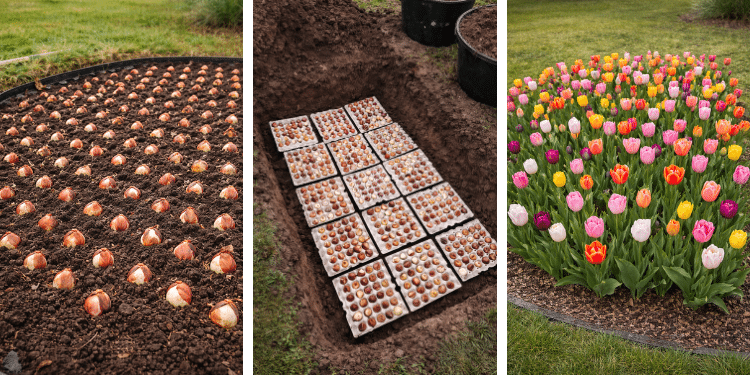
Late February is a powerful but often overlooked planting window. While many gardeners assume bulb planting season is over by winter’s end, the truth is that several fast-starting, cold-tolerant bulbs can still be planted in late February – and many of them will reward you with some of the very first blooms of spring.
These are not the classic fall-planted bulbs like tulips and large daffodils. Instead, they are early performers and cold-hardy varieties that either don’t require a long chill period or can still establish quickly in cool soil.
When planted at the right depth in late winter, they often root fast and bloom ahead of the main spring wave.
Can You Really Plant Bulbs in Late February?
Yes – but only certain types.
Late-February bulb planting works when:
- The soil is workable (not frozen solid)
- You choose cold-hardy or quick-start bulbs
- The bulbs don’t require long winter chilling
- You plant at proper depth
- Drainage is good
These bulbs are naturally adapted to cold soils and early root growth. Many are also smaller bulbs, which establish faster than large spring bulbs.
Best Soil Conditions for Late February Bulb Planting
For success, soil should be:
- Not waterlogged
- Not frozen deeper than a few inches
- Well-draining
- Loosened before planting
- Amended lightly with compost if poor
Avoid heavy clay pockets that hold cold water – bulbs may rot instead of rooting.
Snowdrops, Crocus & Other Ultra-Early Mini Bulbs
1. Snowdrops (Galanthus)
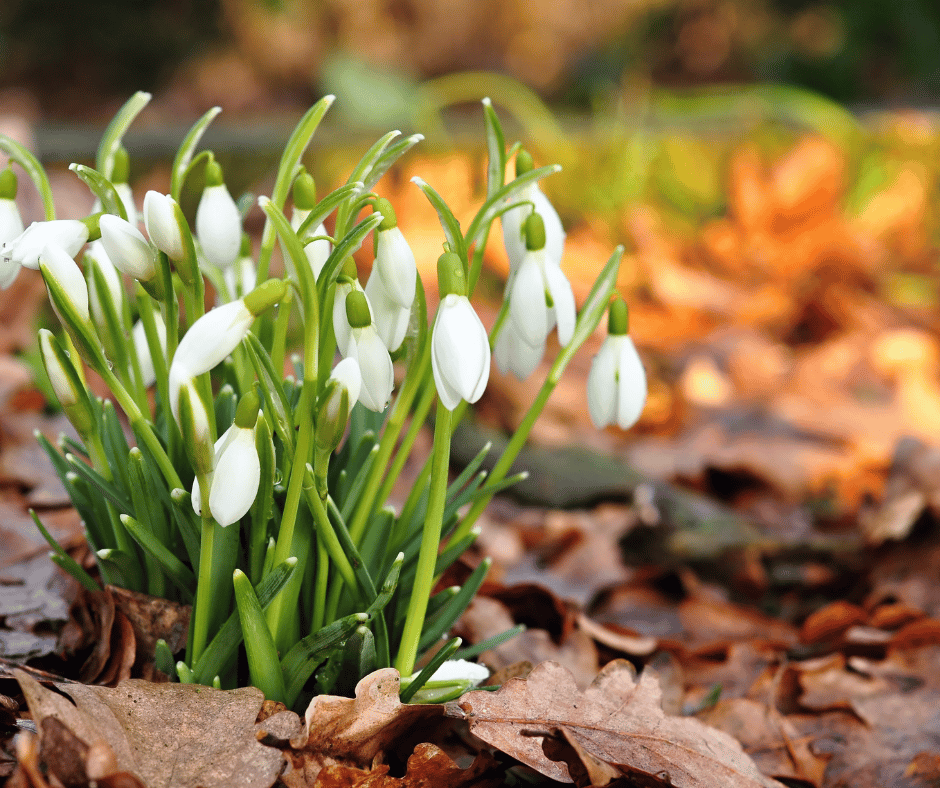
Snowdrops are among the earliest flowering bulbs in the garden – often blooming through snow. If you can still get viable bulbs or “in the green” plants in late February, they can be planted immediately.
They root fast in cold soil and are extremely frost tolerant.
Planting depth: 3 inches
Spacing: 3–4 inches
Light: Full sun to part shade
Bloom window: Very early spring (sometimes late winter)
2. Crocus
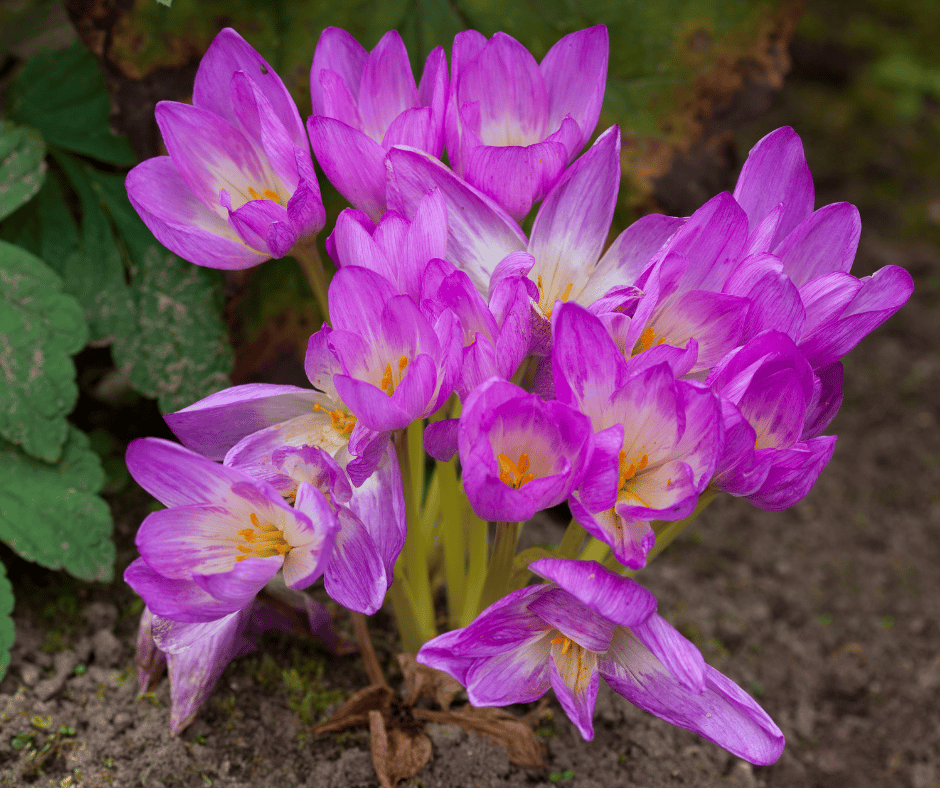
Crocus are classic early bloomers and one of the best late-winter planting options if bulbs are still firm and healthy. Smaller bulbs establish faster and often bloom early even when planted late.
They are excellent for lawns, borders, and under trees.
Planting depth: 3–4 inches
Spacing: 3 inches
Best use: Naturalizing in grass
Bloom window: Early spring
Early Iris & Spring Starflowers
3. Dwarf Iris (Iris reticulata)
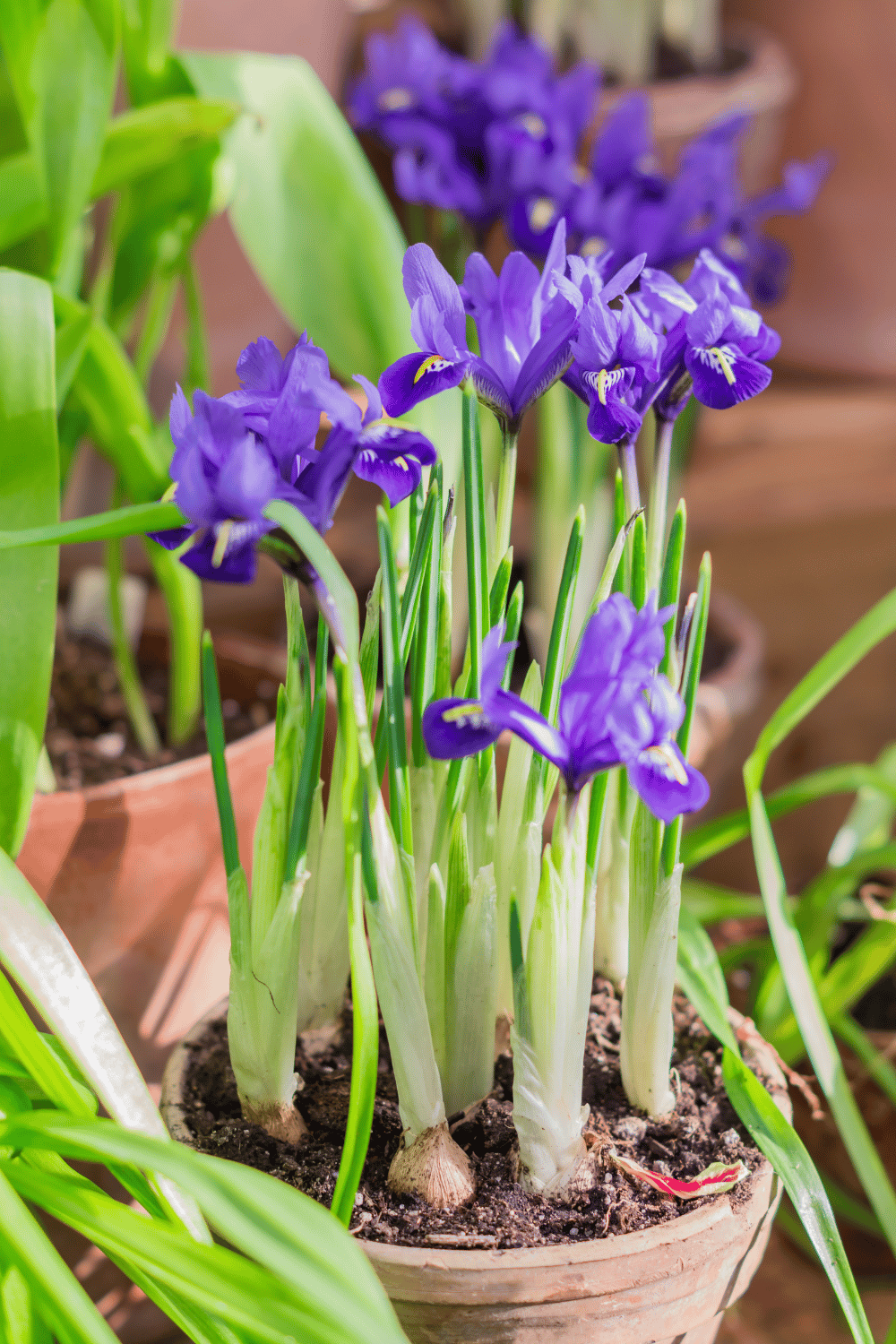
Dwarf iris are excellent late-winter planting bulbs because they are naturally programmed to bloom very early. They are compact, colorful, and cold hardy.
Even when planted in late February, they often root quickly and bloom on schedule.
Planting depth: 3–4 inches
Spacing: 3 inches
Height: 4–6 inches
Bloom window: Very early spring
4. Spring Starflower (Ipheion)
Spring starflower is a lesser-known bulb that performs beautifully when planted late. It tolerates cold soil and produces star-shaped blue or white flowers early in the season.
It also naturalizes well over time.
Planting depth: 3 inches
Spacing: 3–4 inches
Bonus: Light fragrance
Bloom window: Early spring
Early Anemones & Specialty Spring Bulbs
5. Anemone blanda (Grecian Windflower)

Anemone blanda tubers can be planted in late February if soaked first. They establish quickly and produce daisy-like flowers in early spring.
Pre-plant step: Soak tubers 4–6 hours in room-temperature water.
Planting depth: 2–3 inches
Spacing: 3 inches
Best for: Groundcover patches
Bloom window: Early spring
6. Glory of the Snow (Chionodoxa)
As the name suggests, this bulb blooms extremely early. It tolerates cold soils and is well suited for late winter planting where ground is workable.
It spreads gently over time.
Planting depth: 3 inches
Spacing: 3 inches
Best for: Borders and lawns
Bloom window: Very early spring
Fast-Start Bulbs for Mild Climates
7. Ranunculus (Mild Winter Areas)
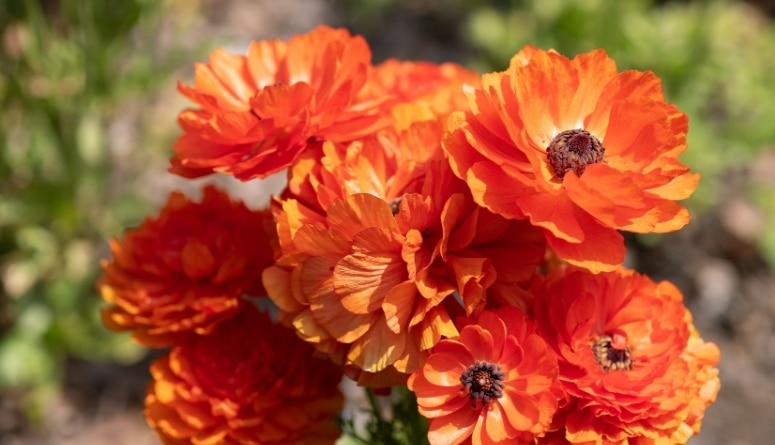
In zones with mild winters, ranunculus corms can still be planted in late February for early-to-mid spring bloom.
Pre-plant step: Soak corms 3–4 hours until plump.
Planting depth: 2 inches
Spacing: 4 inches
Climate: Best in zones 7–10
Bloom window: Early–mid spring
8. Freesia (Where Winters Are Light)
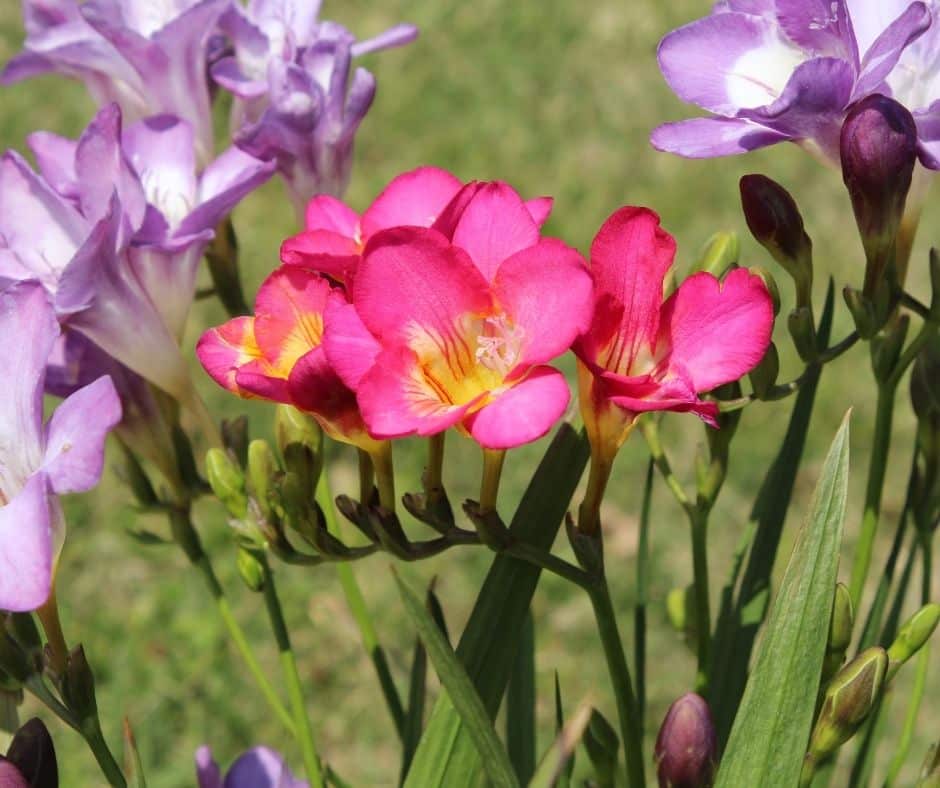
Freesia bulbs can go in during late February in warmer regions or under protection. They root quickly and produce fragrant blooms.
Planting depth: 2 inches
Spacing: 3 inches
Best for: Containers and borders
Bloom window: Spring
Bulbs You Can Plant Late – With Adjusted Expectations
9. Miniature Daffodils
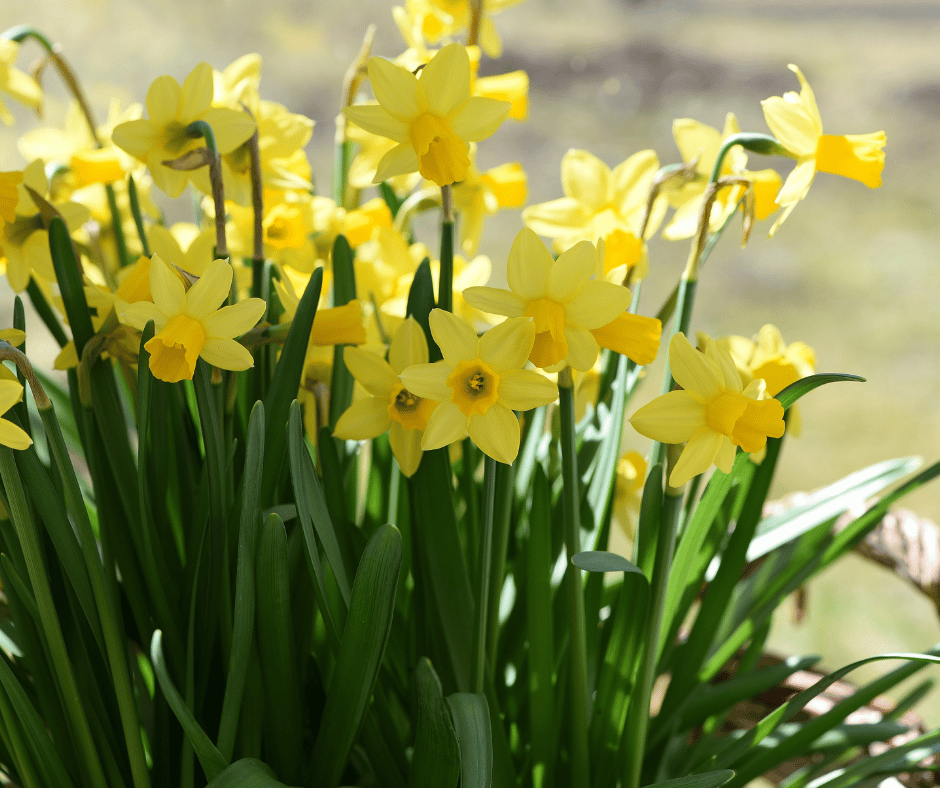
Standard daffodils prefer fall planting, but miniature types sometimes succeed when planted late if bulbs are pre-chilled or already sprouting.
Expect smaller first-year blooms.
Planting depth: 4–5 inches
Spacing: 4 inches
Tip: Choose pre-chilled bulbs if available
10. Grape Hyacinth (Muscari)
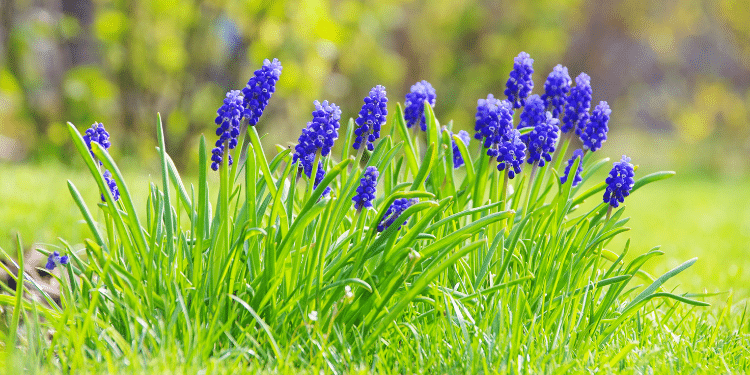
Muscari are tough and adaptable. If bulbs are still firm, they can be planted in late February and often still bloom – though sometimes slightly later the first year.
They naturalize well afterward.
Planting depth: 3 inches
Spacing: 3 inches
Bloom window: Early–mid spring
Late February Bulb Planting – Step-by-Step Method
Planting late means precision matters more.
Step 1 — Check bulbs
Only plant bulbs that are firm, not moldy or soft.
Step 2 — Improve drainage
Loosen soil and mix in compost if heavy.
Step 3 — Plant at correct depth
Rule: 2–3× the bulb height deep.
Step 4 — Water once after planting
Moist — not soaked.
Step 5 — Do not fertilize heavily yet
Wait until shoots appear.
Where Late Bulb Planting Works Best
Late February bulb planting performs best in:
- Raised beds
- South-facing borders
- Rock gardens
- Containers
- Well-drained slopes
- Near walls that hold warmth
Cold, soggy ground is the main risk – not low temperature itself.
Should You Mulch After Planting?
Use light mulch only:
- 1–2 inches
- Straw or shredded leaves
- Not thick bark mulch
Heavy mulch delays soil warming.
If you missed fall bulb planting, you’re not out of luck.
Several early and cold-hardy bulbs – especially snowdrops, crocus, dwarf iris, anemone blanda, glory of the snow, and miniature daffodils – can still be planted in late February and reward you with some of the first blooms of spring.