As the winter months begin to wane, February provides an ideal window for rejuvenating your indoor herb garden. The hustle and bustle of the holiday season have passed, and it’s time to give your herbs a little TLC to ensure they continue to thrive. Trimming indoor herbs this month not only promotes fresh growth but also prepares them for the lushness of spring.
Indoor herbs, if left unattended, can become leggy and sparse due to the reduced sunlight and warmth of winter. By strategically pruning your herbs in February, you can encourage a healthier, bushier plant that will yield abundant foliage for your culinary delights. This article will guide you through the process, providing tips and techniques to keep your indoor herb garden flourishing.
1. Why February Is the Perfect Time To Trim Indoor Herbs
February is a turning point for many indoor plants, including herbs. As daylight gradually increases post-winter solstice, plants start to come out of their dormant phase, making it the perfect time to encourage new growth. Trimming during this period takes advantage of the plant’s natural biological rhythm, setting the stage for vigorous growth as spring approaches.
The cooler indoor temperatures and reduced humidity of winter can cause herbs to stretch towards any available light source, leading to elongated stems and sparse leaves. A well-timed February trim can counteract this tendency, as cutting back encourages the plant to redirect its energy towards producing new shoots and leaves, resulting in a fuller appearance.
2. How Pruning Sparks Fresh, Bushier Growth
Pruning is a horticultural technique that involves selectively removing parts of the plant to control its growth. When you trim your herbs, you’re essentially removing old growth, which stimulates the plant to produce new shoots. This process not only encourages bushier growth but also helps maintain the plant’s overall health.
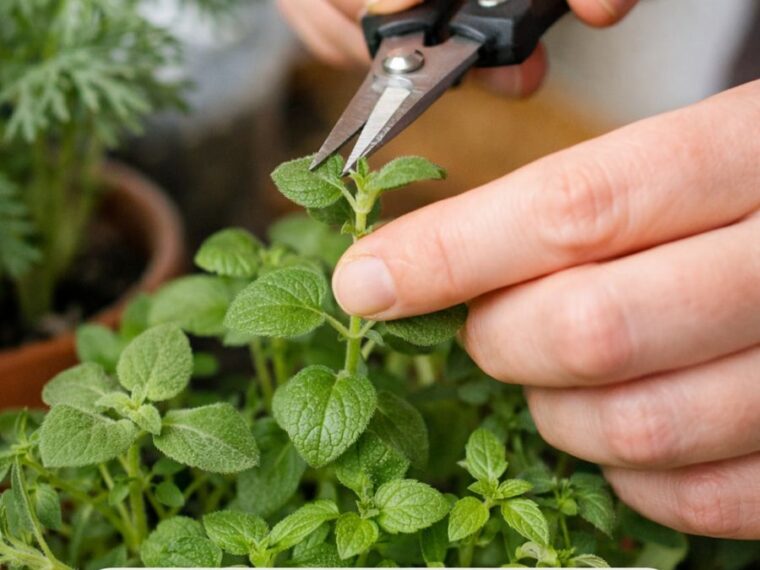
By cutting above a leaf node (where leaves emerge from the stem), you trigger the plant’s natural response to produce two new stems in place of the one you cut. This branching effect results in a denser foliage. Regular pruning thus helps maintain the shape and size of the plant, ensuring it remains compact and manageable.
3. Spotting Which Indoor Herbs Are Ready for a February Trim
Not all herbs are created equal when it comes to trimming. Some, like basil and mint, benefit greatly from regular pruning, while others, such as rosemary, require a more restrained approach. To determine which herbs are ready for a February trim, look for signs like elongated stems, sparse foliage, and any parts that appear unhealthy or damaged.
Check for herbs that have become ‘leggy,’ meaning they have long stems with few leaves. This is a clear indication that the plant needs a trim. Also, if you notice any yellowing leaves or dead stems, these should be removed to make room for healthy growth.
4. Tools and Prep: Getting Your Indoor Herb Pruning Kit Ready
Before you start trimming, gather the necessary tools to ensure a clean and efficient process. A pair of sharp scissors or pruning shears is essential for making precise cuts without damaging the plant. If you’re dealing with woody herbs like rosemary, you might need a pair of small, sharp clippers.
In addition to cutting tools, have a clean cloth or paper towel handy to wipe down your tools before and after use to prevent the spread of disease. You might also consider wearing gardening gloves, especially if you have sensitive skin or are handling herbs with strong aromas.
5. The Right Way To Trim Woody Herbs Like Rosemary and Thyme
Woody herbs such as rosemary and thyme require a more delicate approach compared to their softer-stemmed counterparts. These herbs should be trimmed sparingly, focusing on removing dead or damaged wood while encouraging new growth.
When trimming woody herbs, make your cuts just above a leaf node or a set of leaves. Avoid cutting into the old, woody growth as this can stunt the plant’s ability to produce new shoots. Aim to trim back no more than one-third of the plant at a time to prevent shock.
6. Soft-Stem Stars: Trimming Basil, Mint, Parsley, and Cilantro
Soft-stemmed herbs like basil, mint, parsley, and cilantro are more forgiving and can be trimmed more aggressively. These herbs thrive when pruned regularly, as this encourages them to grow more densely.
For these herbs, trim just above a pair of leaves or a leaf node, as this will encourage branching. You can safely remove up to half of the plant’s height if necessary, but always leave enough foliage to ensure the plant can photosynthesize effectively.
7. Exactly How Much To Cut Back for Healthy Regrowth
The amount you trim from your herbs can significantly impact their regrowth. Generally, it’s safe to remove about one-third of the plant at any one time. This rule of thumb applies to most herbs and helps prevent shock while encouraging the plant to regenerate.
For more vigorous growers like basil and mint, you can afford to cut back more, up to half of the plant’s height. However, always use caution and observe how your specific plant responds to pruning, adjusting your approach as needed.
8. Post-Trim Care: Light, Water, and Feeding for Rebound Growth
After trimming your herbs, proper care is crucial to support their recovery and stimulate new growth. Ensure your herbs receive adequate light, ideally 6-8 hours of indirect sunlight per day. If natural light is insufficient, consider using grow lights to supplement.
Water your herbs regularly, but be careful not to overwater. The soil should be kept moist but not soggy. Fertilizing with a diluted liquid fertilizer every 4-6 weeks can also give your herbs a nutrient boost, supporting their regrowth and overall health.
9. Smart Uses for Your Trimmings: From Kitchen to Propagation
Don’t let your herb trimmings go to waste! Freshly cut herbs can be used immediately in the kitchen to enhance the flavor of your dishes. Basil, mint, and parsley make excellent additions to salads, sauces, and beverages.
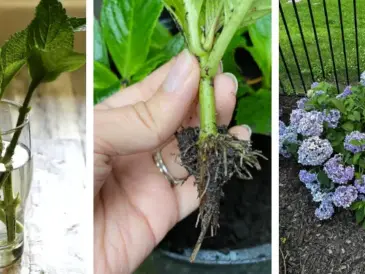
For those looking to expand their herb collection, consider using the trimmings for propagation. Many herbs, such as basil and mint, can be easily rooted in water. Simply place the cuttings in a glass of water, change the water every few days, and watch for roots to develop before transplanting them into soil.
10. Common Pruning Mistakes That Can Set Back Your Herbs
One common mistake is cutting back too much of the plant at once, which can stress the herb and hinder its growth. Always adhere to the one-third rule to minimize shock.
Another error is using dull or dirty tools, which can crush the stems and introduce diseases. Ensure your scissors or shears are sharp and clean before making any cuts. Additionally, avoid pruning during the hottest part of the day to reduce the risk of wilting.
11. How To Keep Your Indoor Herb Garden Thriving Until Spring
Maintaining a thriving indoor herb garden requires consistent care and attention. Regularly check for pests and diseases, and address any issues promptly. Rotate your herbs to ensure even light exposure and prevent them from leaning towards the light source.
As we inch closer to spring, your herbs will respond to the increasing light and warmth. Keep up with regular pruning, watering, and feeding to ensure a bountiful harvest when the growing season hits its stride.