Designing a garden is a rewarding endeavor that combines creativity with practicality. The key to a successful garden is thoughtful planning, which can prevent common issues such as overcrowding. By laying out your garden thoughtfully, you can ensure that each plant has the space it needs to grow and thrive. Overcrowding can lead to a host of problems, including poor air circulation, increased susceptibility to pests, and competition for nutrients.
Now is the perfect time to plan your garden layout, whether you’re starting from scratch or reimagining an existing space. By taking the time to map out your garden, you can avoid the pitfalls of overcrowding and create a flourishing space that provides beauty, food, or habitat for wildlife, depending on your goals. Let’s explore the steps you can take to plan your garden layout effectively.
1. Start With Your Garden’s Purpose And Vision
Before you begin planting, it’s important to have a clear vision for your garden. Are you growing vegetables, creating a flower garden, or designing a serene outdoor retreat? Defining the purpose of your garden will guide all of your planning decisions.
Consider what you hope to achieve with your garden. If you want to grow a variety of vegetables, you might need raised beds and plenty of sunlight. For a flower garden, think about color schemes and seasonal blooms. Write down your goals and keep them in mind as you plan your layout.
2. Measure Your Space And Map Fixed Features
Accurate measurements are crucial for proper garden planning. Use a tape measure to determine the dimensions of your gardening space. Note any fixed features such as pathways, fences, trees, or structures that could affect sunlight or space.
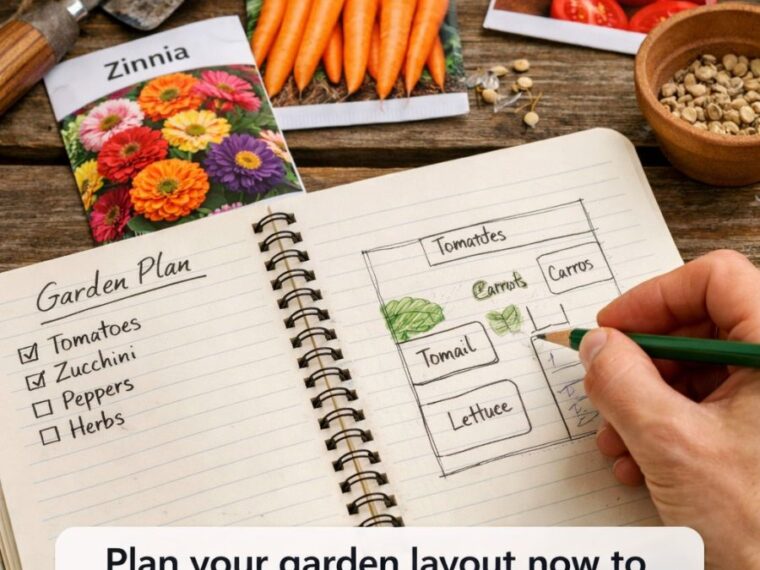
Create a scaled map of your garden area, including all existing features. This will serve as the foundation for your layout planning. Consider the scale of your map, for example, 1 inch could represent 1 foot in your garden. This will help you visualize where everything can fit.
3. Understand Plant Sizes, Spacing, And Growth Habits
Different plants have different needs in terms of space and growth habits. Research the mature size of the plants you want to grow and how much space they require between them. For instance, tomato plants may need 18-24 inches between each plant, while lettuce can be spaced as close as 6 inches apart.
Understanding how plants grow—whether they spread, climb, or stay compact—will help you prevent overcrowding. Take note of these characteristics and plan your layout accordingly to give each plant ample room to reach its full potential.
4. Group Plants By Sun, Shade, And Water Needs
Plants have varying requirements for sunlight and water. Grouping plants with similar needs together will simplify maintenance and ensure that each plant thrives. For example, place sun-loving plants like tomatoes and peppers in the sunniest parts of your garden, while shade-tolerant plants like hostas can go in more protected areas.
Consider the water needs of your plants as well. Drought-tolerant plants should be grouped separately from those that require consistent moisture. This will allow you to tailor your irrigation practices effectively.
5. Use Scaled Sketches Or Apps To Test Layouts
Utilizing scaled sketches or garden planning apps can help you visualize different layout options. These tools allow you to experiment with plant placements and see how they fit into your garden space.
There are several apps available that offer virtual garden planning features, allowing you to drag and drop plant icons into your layout. This can be a fun and practical way to test different configurations before you start planting.
6. Layer Heights To Prevent Shading And Crowding
Layering plants by height can prevent taller plants from casting unwanted shade on shorter ones. Place taller plants such as sunflowers or corn at the north end of your garden to minimize the shadow they cast.
Consider the mature height of each plant and plan your garden layout to ensure all plants receive adequate sunlight. This approach will also add visual interest to your garden, creating a dynamic landscape with multiple levels.
7. Plan Paths, Beds, And Access For Maintenance
Paths and access points are critical for garden maintenance. Ensure that you can easily reach all areas of your garden for planting, weeding, and harvesting.
Designate specific areas for paths that are wide enough to accommodate a wheelbarrow or garden cart. Raised beds can provide defined spaces for planting and make maintenance tasks more manageable. Plan for at least 2-3 feet of space for pathways to ensure comfortable access.
8. Stagger Bloom Times And Crop Rotations
Staggering bloom times will ensure that your garden has continuous visual interest throughout the growing season. Choose a mix of early, mid, and late bloomers when planning your flower garden.
For vegetable gardens, practice crop rotation to prevent soil depletion and reduce pest buildup. Rotate crops such as tomatoes, beans, and carrots each year to different locations in your garden to maintain soil health.
9. Build In Room For Future Expansion And Changes
Consider the future when planning your garden layout. Leave some space for new plants or features you might want to add later on.
Flexibility in your garden design will allow you to adapt as your interests or needs change. Leave open areas or use temporary structures like containers that can be moved or replaced as needed.
10. Avoid Common Overcrowding Mistakes Gardeners Make
One common mistake is planting too densely, not accounting for the mature size of plants. This can lead to shading, poor air circulation, and competition for resources.
Another mistake is neglecting to thin seedlings, which can result in overcrowded conditions as plants mature. Regularly check the spacing of your plants and be prepared to thin or relocate them if necessary.
11. Create A Simple Seasonal Review And Re‑Planning Routine
Gardening is an ongoing process, and reviewing your garden’s performance each season is essential. Take notes on what worked well and areas that need improvement.
Use these insights to adjust your plan for the following season. A seasonal review encourages continuous learning and adaptation, ensuring your garden remains healthy and productive year after year.