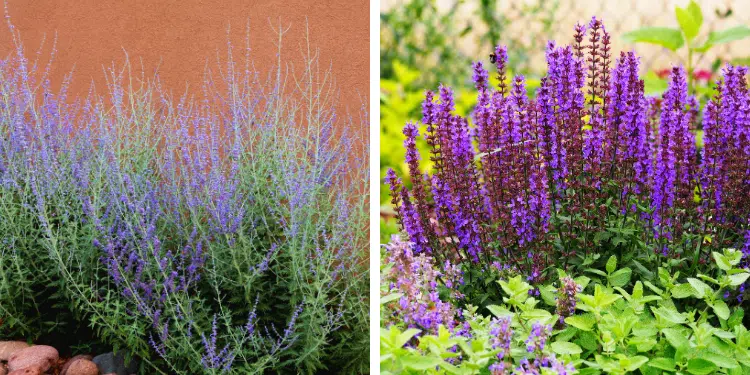
Some plants have a way of transforming a garden – not just with their beauty, but with their resilience. Russian sage (Perovskia atriplicifolia) is one of those plants.
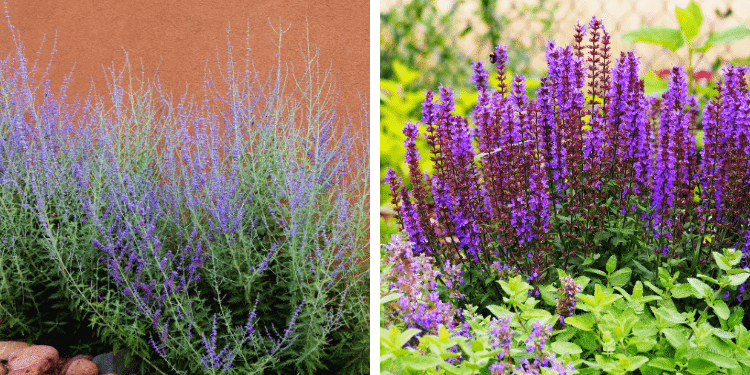
With its silvery-gray foliage, airy lavender-blue blooms, and dreamy, aromatic presence, Russian sage adds elegance, movement, and color that lasts from midsummer until the first frost.
But what makes it truly special is how easy it is to grow and how long it rewards you – year after year, with minimal care.
What Makes Russian Sage So Special
Despite its name, Russian sage isn’t a true sage (Salvia species) and isn’t actually from Russia.
It’s native to Afghanistan and central Asia, thriving in dry, rocky terrain where other plants struggle to survive.
This tough background explains its incredible adaptability and low-maintenance nature.
The Aesthetic Appeal: A Plant That Elevates Any Garden
Russian sage is a master of contrast and movement. Its tall, wispy stems and shimmering leaves catch the light and create a haze of color that dances in the breeze.
Perfect for garden design:
- Use it as a backdrop for roses, coneflowers, or daylilies.
- Plant it along walkways and fences for texture and aroma.
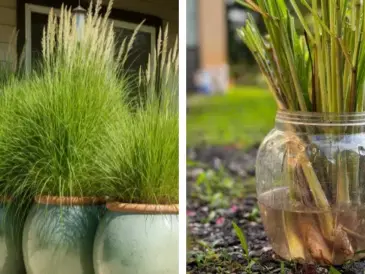
- Combine it with ornamental grasses for a soft, natural look.
- Use it in rock gardens and xeriscapes, where it thrives with minimal care.
When sunlight hits its silvery foliage, Russian sage almost glows – adding a cooling tone that balances bold summer colors like red, gold, and orange.
Why You Should Grow Russian Sage
Let’s explore what makes this perennial one of the smartest – and most rewarding – additions to your garden.
1. It’s Virtually Indestructible
If you’ve ever struggled with plants that wilt, rot, or demand constant watering, Russian sage is your new best friend.
It thrives in poor, sandy, or rocky soil and laughs at heat, drought, and neglect. Once established, it can handle weeks without water – making it a top choice for low-maintenance landscapes.
Even in tough conditions, it keeps blooming strong and stays upright while other perennials fade.
2. It Blooms All Summer
Few perennials flower as long as Russian sage. It begins blooming in mid-summer and keeps going until late fall, offering a continuous display of lavender-blue flowers when most plants have finished.
Each plant produces hundreds of small blossoms on tall, branching stems – a soft cloud of color that attracts pollinators all season long.
The trick: consistent sunlight and proper pruning (more on that below) keep the blooms coming back stronger every year.
3. It Attracts Pollinators Like Crazy
Bees, butterflies, and hummingbirds can’t resist Russian sage. The tubular flowers are rich in nectar, providing a critical late-season food source when many other plants have stopped blooming.
Adding it to your garden helps support pollinator populations and create a lively, buzzing environment filled with movement and life.
If you’re creating a pollinator-friendly garden, pair Russian sage with:
- Coneflowers (Echinacea)
- Bee balm (Monarda)
- Black-eyed Susans (Rudbeckia)
- Lantana
- Coreopsis
Together, they form a continuous buffet for beneficial insects.
4. It’s Deer and Rabbit Resistant
If you live in an area where deer nibble on everything, Russian sage will save you countless frustrations.
Its strong herbal scent and slightly fuzzy leaves deter both deer and rabbits, keeping your garden looking lush without the need for repellents.
This makes it a perfect companion plant for more vulnerable flowers like tulips or lilies – acting as a natural deterrent barrier.
5. It Requires Almost No Maintenance
Russian sage is the definition of low effort, high reward. Once established, you can practically ignore it – no deadheading, constant watering, or fertilizing needed.
- It resists most pests and diseases.
- It doesn’t need staking, even when mature.
- It grows well in poor soil, where others fail.
In fact, too much care – especially overwatering or rich fertilizer – can harm it. Russian sage prefers to be left alone to do its thing.
6. It Smells Wonderful
Crush a leaf between your fingers, and you’ll instantly understand part of its charm.
The plant releases a clean, herbal fragrance similar to lavender and sage, especially on warm days.
Plant it near garden paths, patios, or entryways where the aroma can be enjoyed as you brush past.
7. It Adds Winter Interest
Even after flowering ends, Russian sage remains a visual star. Its silvery stems and lacy seed heads provide structure and contrast in the winter garden.
If you resist the urge to cut it down in fall, the frosted branches will catch the light beautifully – a perfect complement to evergreens and ornamental grasses.
Then, come spring, simply prune it back and watch it regrow stronger than ever.
How to Grow Russian Sage Successfully
Now that you know why it’s worth growing, let’s talk about how to make it thrive. Russian sage is forgiving, but a few foundational steps ensure years of beauty and nonstop blooms.
1. Choose the Right Location
Sun is everything.
Russian sage needs full sun – at least 6 to 8 hours a day. In too much shade, it becomes floppy, sparse, and produces fewer flowers.
The more sun it gets, the more intense the color of its blooms and foliage.
It’s perfect for south-facing borders, slopes, or open garden beds where it can bask in heat and light.
Bonus: it’s highly tolerant of wind, making it ideal for exposed or coastal gardens.
2. Plant in Well-Draining Soil
If there’s one thing Russian sage hates, it’s soggy soil. In its native habitat, it grows on dry, rocky hillsides – not damp, rich beds.
Soil tips:
- Choose a well-draining mix, preferably sandy or gravelly.
- Avoid clay-heavy soils unless amended with sand or grit.
- If planting in containers, use a cactus or Mediterranean plant mix.
Once established, Russian sage tolerates drought easily – but sitting in waterlogged soil can cause root rot or crown damage.
3. Space Plants Properly
Give your Russian sage room to breathe.
Each plant can grow 3–4 feet tall and wide, depending on the variety. Crowded plants can trap moisture and lead to poor airflow.
Spacing guide:
- Space 2 to 3 feet apart for mature growth.
- For mass plantings, plant in a zigzag pattern to create a natural, flowing look.
Proper spacing allows sunlight to reach every part of the plant and encourages fuller, healthier growth.
4. Water Wisely
During the first growing season, water regularly to help roots establish. After that, Russian sage becomes extremely drought-tolerant.
Watering rule:
- Once mature, water only during prolonged dry spells.
- Always let the soil dry between waterings.
Too much water will cause floppy growth or root issues – while slight dryness keeps it strong and upright.
5. Skip the Fertilizer
Russian sage thrives in lean soil. Feeding it heavily with nitrogen-based fertilizers can lead to lush green growth but fewer flowers.
If your soil is very poor, add a bit of compost or organic matter in spring – but otherwise, let it be.
This plant truly proves that less is more.
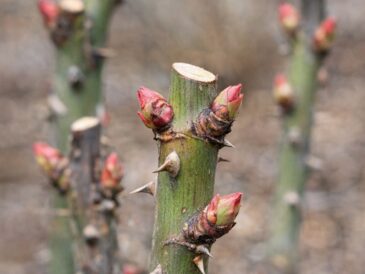
6. Prune in Early Spring
Pruning is the secret to keeping your Russian sage blooming year after year.
When to prune:
In early spring, before new growth appears.
How to prune:
- Cut back all the stems to 10–12 inches above the ground.
- Remove any dead or woody branches.
- Avoid cutting into the base crown – this can stunt regrowth.
This annual trim encourages vigorous new shoots, keeps the plant compact, and ensures abundant flowering all season long.
Avoid fall pruning: leaving stems intact helps protect the plant through winter.
7. Deadhead Lightly for Continuous Blooms
While not required, lightly trimming spent flowers midseason can encourage new blooms.
After the first flush fades (usually in August), snip a few inches off the top of the stems. This encourages the plant to produce new flower spikes, extending the display into autumn.
8. Propagate to Multiply Your Plants
Once you fall in love with Russian sage, you’ll want more – and luckily, it’s easy to propagate.
Two simple methods:
1. Stem cuttings:
- In spring, take 4–6 inch cuttings from new growth.
- Remove lower leaves and dip in rooting hormone.
- Plant in a sandy mix and keep moist until rooted.
2. Division:
- In early spring or fall, dig up the plant and divide the root ball.
- Replant divisions in fresh soil.
Propagation helps rejuvenate older plants and gives you free, ready-to-plant sages for other parts of your garden.
9. Protect in Winter (in Cold Zones)
Russian sage is hardy in zones 4–9, but newly planted ones may need a little protection their first winter.
Winter care tips:
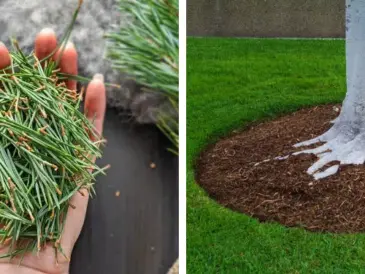
- Add a light layer of mulch (straw or pine needles) around the base to insulate roots.
- Avoid heavy, wet mulch – it can trap moisture.
- In early spring, remove the mulch and let new growth emerge.
Once mature, Russian sage handles winter easily, bouncing back every spring stronger than before.
Keeping Russian Sage Blooming for Years
To keep your Russian sage blooming abundantly year after year, remember these golden rules:
- Full sun = fuller blooms. Never plant in shade.
- Don’t overwater. Dry roots encourage flowering.
- Prune in spring. This rejuvenates growth and prevents woodiness.
- Skip fertilizer. Rich soil reduces flowering.
- Deadhead midseason. A quick trim refreshes the plant for fall.
- Give space. Good airflow keeps it healthy and upright.
Follow these steps, and your Russian sage can live and bloom beautifully for a decade or more.
Best Companion Plants for Russian Sage
Russian sage pairs wonderfully with other sun-loving, drought-tolerant plants that share its carefree nature.
Top combinations:
- Black-eyed Susans (Rudbeckia) – A golden contrast against the lavender-blue.
- Lavender and Catmint (Nepeta) – Create a fragrant Mediterranean border.
- Coneflowers (Echinacea) – Extend the pollinator season.
- Sedum and Yarrow – Add texture and late-summer color.
- Ornamental grasses – Soften the look and provide graceful motion.
Together, they form a vibrant, pollinator-rich, and low-maintenance garden that shines through heat, drought, and even neglect.
Common Problems (and How to Avoid Them)
Russian sage is famously resilient, but even the toughest plants have a few vulnerabilities.
1. Floppy Growth
Cause: Too much shade or nitrogen fertilizer.
Fix: Move to full sun and avoid overfeeding.
2. Root Rot
Cause: Poor drainage or overwatering.
Fix: Improve soil drainage and let soil dry between waterings.
3. Weak Flowering
Cause: Old, woody stems or lack of pruning.
Fix: Cut back hard in spring to stimulate new growth.
4. Powdery Mildew
Cause: Poor air circulation.
Fix: Space plants properly and prune regularly for airflow.
Once established, these issues are rare – Russian sage is one of the least troublesome perennials you can grow.
Russian sage is the kind of plant every gardener dreams of – beautiful, fragrant, long-blooming, and nearly indestructible.