Aluminum foil is a versatile material commonly found in kitchens, but its uses extend far beyond wrapping leftovers. In gardening, aluminum foil can serve as a cost-effective tool to enhance plant growth and protect your garden.
This article explores the various ways aluminum foil can be utilized in gardening, providing practical tips and insights for gardeners looking to optimize their plant care techniques. By understanding the benefits and applications of aluminum foil, you can improve the health and productivity of your plants.
Benefits of Planting Aluminum Foil Around Your Plants
Using aluminum foil in your garden offers several advantages. It acts as a physical barrier against pests, helps regulate soil temperature, and can even enhance photosynthesis by reflecting light onto plants. Additionally, aluminum foil is a durable and reusable material, making it an environmentally friendly option for gardeners. By strategically placing aluminum foil around your plants, you can create a more controlled and beneficial growing environment.
How Aluminum Foil Enhances Plant Growth
Aluminum foil enhances plant growth by creating a microenvironment that supports optimal conditions for development. The reflective surface of the foil can increase light exposure, which is crucial for photosynthesis. This increased light can lead to stronger, healthier plants with better yields. Furthermore, the foil can help retain soil moisture and maintain consistent soil temperatures, both of which are essential for healthy root growth.
Protecting Plants from Pests with Aluminum Foil
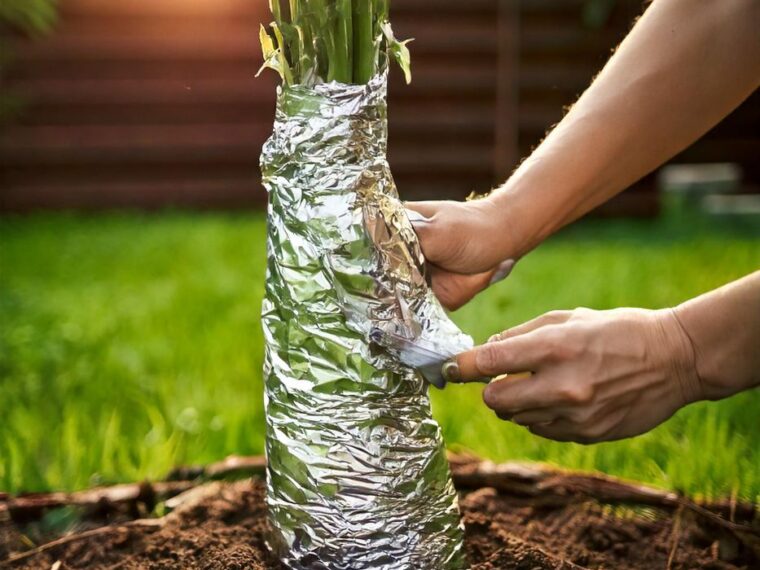
One of the primary benefits of using aluminum foil in the garden is its ability to deter pests. By wrapping the base of plant stems with foil, you can prevent crawling insects, such as cutworms and slugs, from reaching the plants. The shiny surface of the foil can also confuse and repel some flying insects, reducing the likelihood of infestations. This natural pest control method is safe and chemical-free, making it ideal for organic gardening.
Improving Soil Temperature and Moisture Retention
Aluminum foil can help regulate soil temperature by reflecting sunlight onto the soil surface. This can be particularly beneficial in cooler climates or during early spring when soil temperatures are still low. The foil acts as a mulch, reducing evaporation and helping to retain soil moisture. This is especially useful during dry spells, as it ensures that plants have a consistent supply of water, reducing the need for frequent irrigation.
Reflecting Light to Boost Photosynthesis
Photosynthesis is the process by which plants convert light energy into chemical energy. By placing aluminum foil around plants, you can increase the amount of light they receive. The reflective surface of the foil bounces light back onto the plants, enhancing their exposure to sunlight. This can be particularly beneficial for plants in shaded areas or during periods of low sunlight, as it helps maximize their photosynthetic potential.
Step-by-Step Guide to Using Aluminum Foil in Your Garden
To use aluminum foil in your garden, start by cutting strips of foil that are long enough to wrap around the base of your plants. Gently wrap the foil around the stems, ensuring that it is snug but not too tight. For larger areas, you can lay sheets of foil on the soil surface, securing them with small rocks or stakes. Be sure to leave some space around the plant base to allow for air circulation. Regularly check the foil for any signs of damage or wear and replace as needed.
Choosing the Right Plants for Aluminum Foil Application
While aluminum foil can benefit many types of plants, it is particularly effective for those that require high light levels or are prone to pest infestations. Vegetables like tomatoes, peppers, and cucumbers can benefit from the increased light and pest protection. Additionally, plants that are sensitive to soil temperature fluctuations, such as seedlings and young transplants, can thrive with the added insulation provided by foil.
Common Mistakes to Avoid When Using Aluminum Foil
One common mistake is wrapping the foil too tightly around plant stems, which can restrict growth and damage the plant. It’s also important to avoid covering the entire soil surface with foil, as this can lead to poor air circulation and root rot. Ensure that the foil is securely fastened to prevent it from blowing away in the wind. Lastly, be mindful of the environmental impact and reuse or recycle the foil whenever possible.
Environmental Considerations and Sustainability
While aluminum foil is a useful tool in gardening, it’s important to consider its environmental impact. Aluminum production is energy-intensive, so reusing foil from household use can help reduce waste. When the foil is no longer usable, recycle it properly to minimize its environmental footprint. By using aluminum foil responsibly, you can enjoy its benefits while maintaining a sustainable gardening practice
Conclusion: Maximizing Plant Health with Aluminum Foil
Incorporating aluminum foil into your gardening routine can provide numerous benefits, from pest control to improved plant growth. By understanding how to use foil effectively, you can create a healthier and more productive garden. Whether you’re a seasoned gardener or a beginner, aluminum foil offers a simple and affordable way to enhance your plant care techniques. With careful application and consideration of environmental factors, you can maximize the health and yield of your plants.