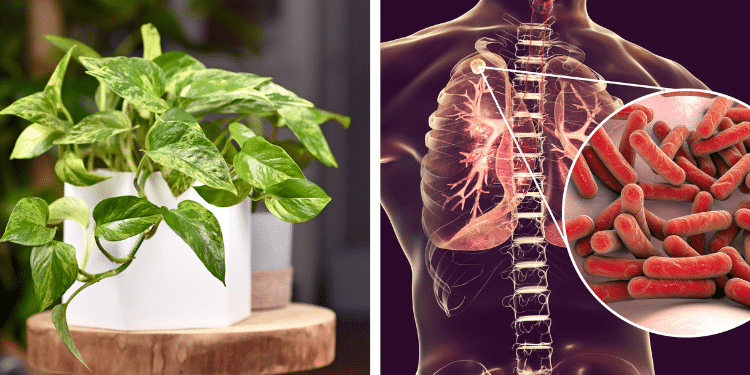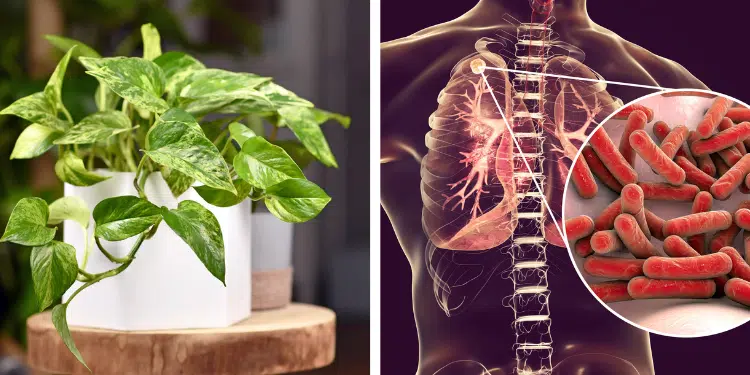
The pothos plant, often called devil’s ivy, is one of the most beloved houseplants in the world. You see it trailing down shelves, climbing bookcases, hanging from baskets, and softening corners of living rooms and offices.
It’s famous for being easy to grow, hard to kill, and beautiful in almost any space.
But what most people don’t realize is that pothos isn’t just a decorative plant. It quietly transforms the atmosphere of a room, supports mental well-being, improves indoor air quality, stabilizes humidity, and makes homes feel calmer, fresher, and more alive.
For centuries, humans have surrounded themselves with greenery because plants change how a space feels.
Pothos happens to be one of the most powerful, practical, and forgiving plants you can bring into your home.
Here are seven deeply practical reasons why every home truly needs a pothos plant, and why once you own one, you almost always end up adding more.
Why Pothos Is Such a Special Houseplant
Pothos (Epipremnum aureum) is native to tropical forests, where it evolved to climb trees and survive in dappled shade.
That survival biology is exactly what makes it perfect for indoor life.
- It thrives in low light.
- It tolerates irregular watering.
- It grows in a wide range of temperatures.
- It roots easily from cuttings.
- It adapts quietly instead of collapsing under stress.
Unlike fussy houseplants that demand constant attention, pothos adjusts to your environment rather than forcing you to adjust to it.
That adaptability is the foundation behind all of its benefits.
1. It’s Almost Impossible to Kill
The number one reason every home needs a pothos plant is simple: it survives where most plants fail.
Pothos tolerates:
- Low light
- Bright indirect light
- Missed waterings
- Dry indoor air
- Temperature fluctuations
- Beginner mistakes
If you forget to water it for a week or two, it doesn’t collapse. If you move it to a darker corner, it doesn’t panic. If your home is dry in winter, it doesn’t drop all its leaves.
It quietly adapts.
For beginners, busy households, travelers, or anyone who has struggled to keep plants alive, pothos is a confidence builder. Once you succeed with pothos, houseplants stop feeling intimidating.
2. It Naturally Cleans Indoor Air
Pothos is one of the most effective air-purifying houseplants.
Studies and observational research show that pothos absorbs airborne toxins such as:
- Formaldehyde
- Benzene
- Toluene
- Xylene
- Carbon monoxide
These chemicals come from furniture, carpets, paint, cleaning products, plastics, and electronics.
While one plant won’t purify an entire house, multiple pothos plants contribute to noticeably fresher-feeling air, fewer odors, and a more breathable indoor environment.
People often don’t consciously notice air quality improvements. They simply feel better in rooms with healthy plants.
3. It Improves Mood and Reduces Stress
Indoor plants don’t just change air chemistry. They change emotional atmosphere.
Research consistently shows that greenery reduces stress, lowers anxiety, improves mood, and enhances focus.
Pothos, in particular, has a soothing visual rhythm. Its trailing vines and heart-shaped leaves soften hard edges, reduce visual clutter, and create a sense of calm movement.
People often report:
- Feeling calmer in rooms with plants
- Reduced mental fatigue
- Better concentration
- Improved emotional balance
- Less visual stress from screens
Even one pothos plant can subtly shift the emotional tone of a space.
4. It Makes Any Space Look Instantly Better
Designers love pothos for a reason.
Its trailing vines, lush foliage, and soft movement instantly elevate a room’s aesthetic.
It looks equally good in:
- Modern apartments
- Minimalist homes
- Boho interiors
- Offices
- Bedrooms
- Bathrooms
- Kitchen shelves
Pothos adds texture, contrast, and life without visual clutter. It makes rooms feel more expensive, intentional, and thoughtfully designed.
Few décor upgrades are as cheap, easy, and effective as adding a pothos plant.
5. It Stabilizes Indoor Humidity
Pothos releases moisture into the air through transpiration.
In dry indoor environments – especially in winter or air-conditioned spaces – humidity drops to uncomfortable levels.
This contributes to dry skin, irritated sinuses, scratchy throats, static electricity, and worsened respiratory issues. Pothos gently stabilizes humidity without creating dampness.
This improves comfort and respiratory health in subtle but noticeable ways. Rooms with plants simply feel better to breathe in.
6. It Grows Endlessly and Multiplies for Free
Pothos is one of the easiest plants to propagate.
You can cut a vine, place it in water, and roots will appear within days.
This means:
- One plant can become five.
- Five plants can become twenty.
- Twenty plants can fill an entire home.
You never need to buy more pothos plants once you own one.
You can grow them in jars, hang them from baskets, train them to climb walls, or drape them over shelves.
It’s a self-replicating décor upgrade.
7. It’s One of the Best Plants for Low-Light Homes
Many homes don’t have bright, sunny windows.
Most houseplants struggle in low light. They stretch, drop leaves, turn yellow, or slowly decline. Pothos thrives in low to moderate light.
It grows happily in:
- Hallways
- Bathrooms
- Bedrooms
- Offices
- North-facing windows
- Rooms far from windows
This makes it one of the few plants that works in almost every home layout.
Why Pothos Feels So Easy to Live With
Many plants demand constant attention.
- They droop dramatically when dry.
- They yellow when overwatered.
- They drop leaves when stressed.
- They attract pests easily.
Pothos does none of this.
It quietly adapts to your environment instead of forcing you to adapt to it.
That psychological ease is a hidden benefit most people don’t consciously recognize – but they feel it.
Simple Pothos Care (The No-Stress Version)
- You don’t need a complicated routine.
- Place it in low to bright indirect light.
- Water only when the top inch of soil feels dry.
- Avoid overwatering. This is the only thing that can kill it.
- Use well-draining soil.
- Wipe leaves occasionally to remove dust.
- Fertilize lightly once or twice per year.
- That’s it.
Who Should Avoid a Pothos Plant?
- Pothos is toxic if ingested.
- Keep it away from pets and small children who might chew on leaves.
- Aside from that, it’s safe for indoor use.
The pothos plant is more than just an easy houseplant. It’s one of the most practical, beautiful, and emotionally grounding plants you can bring into your home.