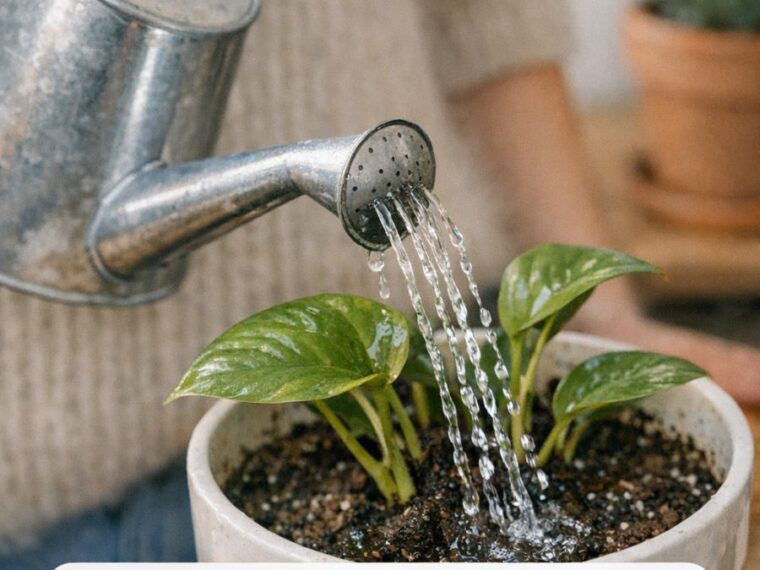
As the winter months approach, gardeners face the annual challenge of keeping their plants healthy despite the colder temperatures and shorter days. One often overlooked yet crucial strategy for winter plant care is the timing of watering. Watering your plants in the morning during winter can have a myriad of benefits that can make a significant difference in plant health and resilience.
Morning watering aligns with the natural rhythms of most plants, allowing them to absorb water and nutrients more efficiently. This article delves into ten key effects that gardeners swear by when they water their plants in the morning during winter, providing both practical advice and scientific explanations for each benefit.
Advertisement
1. Reduces Risk Of Overnight Root Rot
Watering your plants in the morning allows the soil to dry out throughout the day, reducing the risk of root rot, which is commonly caused by waterlogged soil. Excess moisture left in the soil overnight can lead to anaerobic conditions, which are perfect for the growth of harmful fungi and bacteria. By ensuring that there is adequate time for evaporation and absorption during the daylight hours, you help maintain healthier root systems.
In winter, when temperatures drop significantly at night, waterlogged soil can become even more problematic, as cold, wet conditions exacerbate root rot. By watering in the morning, you ensure that the soil is only moist during the warmer parts of the day, minimizing the chances of rot setting in.
2. Helps Soil Warm Up Faster On Cold Mornings
Cold soil can significantly slow down plant growth and nutrient uptake. By watering in the morning, you can help the soil retain a bit of warmth and facilitate a faster thaw from overnight frosts. The water acts as a thermal buffer, absorbing heat from the sun more quickly than dry soil, which helps to raise the temperature around the roots.
This is particularly beneficial in areas where the ground may freeze lightly overnight. By ensuring the soil is warmer, you provide a more hospitable environment for the roots, promoting better growth and health during the colder months.
3. Prevents Frost Damage To Leaves And Buds
Watering in the morning can help prevent frost damage by creating a microenvironment that is less susceptible to the formation of frost on leaves and buds. When plants are watered early, the moisture on the leaves can evaporate with the morning sun, reducing the likelihood of frost settling.
In addition, well-hydrated plants are generally more resilient to cold snaps. The internal water content helps to buffer cells against freezing temperatures, providing a natural form of frost protection.
4. Maximizes Plants’ Access To Short Winter Daylight
Winter days are shorter, meaning plants have less time to photosynthesize and absorb the sunlight they need for energy. By watering in the morning, you ensure that plants have the necessary moisture right as they begin to photosynthesize, maximizing their use of available daylight.
This practice helps plants maintain their metabolic processes throughout the day, ensuring they can take full advantage of every bit of sunlight. As a result, plants are more likely to remain healthy and vigorous even with the limited daylight hours.
5. Supports Stronger Winter Root Development
Morning watering supports root development by allowing plants to absorb water and nutrients during the day when they are most active. Roots tend to grow more during the day in response to sunlight, and having access to moisture aids in this growth.
In winter, when root growth can be slow due to lower temperatures, providing consistent morning moisture can stimulate root activity. This results in stronger root systems that are better able to support the plant when spring arrives.
6. Cuts Down On Mold, Mildew, And Fungal Outbreaks
Watering early in the day helps to minimize the risk of mold, mildew, and fungal outbreaks, which thrive in damp, dark conditions. When plants are watered in the morning, the foliage has time to dry out before evening, reducing the likelihood of these issues.
In winter, when humidity levels can rise and air circulation is reduced, keeping foliage dry is crucial. Morning watering ensures that leaves are dry by nightfall, lowering the risk of fungal infections that can damage plants.
7. Keeps Water From Freezing In Pots And Beds
By watering in the morning, any excess water in pots and beds has time to be absorbed or evaporate during the day, reducing the risk of it freezing overnight. If water freezes in containers, it can expand and crack pots, damaging both the containers and the root systems of the plants inside.
Morning watering helps ensure that plants receive the moisture they need before temperatures drop, thereby protecting both the plants and their containers from the detrimental effects of ice formation.
8. Stabilizes Indoor Humidity For Houseplants
For indoor plants, particularly those in heated environments, morning watering can help stabilize humidity levels throughout the day. Central heating can dry out indoor air, but watering in the morning allows time for the moisture to evaporate and increase humidity.
This is beneficial for plants that thrive in more humid conditions, as it mimics their natural environment and reduces stress. Consistent humidity levels help prevent issues such as leaf browning and wilting, which are common in dry indoor settings.
9. Makes Fertilizers And Amendments Work Better
Applying water in the morning helps fertilizers and soil amendments to be absorbed more effectively by the plants. Nutrients are more readily available to plants when the soil is adequately moist, allowing for optimal uptake during the day.
This practice ensures that any fertilizers applied are utilized efficiently, providing the necessary nutrients to support plant health and growth, even during the dormant winter months.
10. Sets A Consistent Winter Care Routine Gardeners Can Stick To
Establishing a routine of morning watering can help gardeners maintain consistency in their plant care routines. Consistency is key to successful gardening, as it helps plants acclimate to predictable care patterns and reduces stress
By making morning watering a habit, gardeners can ensure they are giving their plants the best possible care, even during the challenging winter months. This routine can also serve as a reminder to check on other aspects of plant health, such as inspecting for pests or pruning dead foliage.