As winter draws to a close, gardeners eagerly anticipate the revival of their cherished plants. Among these, geraniums hold a special place due to their vibrant blooms and hardy nature. Overwintering geraniums can be an effective way to preserve them for another year of beauty and color. However, as February approaches, it’s crucial to take specific steps to ensure these overwintered plants return to their full glory.
February is the perfect time to start transitioning your dormant geraniums from their winter slumber to active growth. This process involves several important care steps, from assessing their winter survival to gradually reintroducing them to the conditions they’ll thrive in during the growing season. By following these guidelines, you can help your geraniums burst back to life, ready to adorn your garden with their colorful blooms.
1. Assess How Well Your Geraniums Survived Winter Storage
The first step in reviving your geraniums is to assess their condition after winter storage. Start by examining the stems and leaves for signs of life. Healthy stems should be firm to the touch, while any that are soft or mushy may be dead or diseased. Check for green or brown stems, as green indicates potential growth, whereas brown or blackened stems suggest rot or damage.
Inspect the root system as well. Healthy roots should be white or light tan and firm. If the roots appear shriveled or blackened, this could indicate damage or rot. This assessment will help you determine how much care and attention each plant will require to recover.
2. Trim Back Leggy, Dead, and Diseased Growth
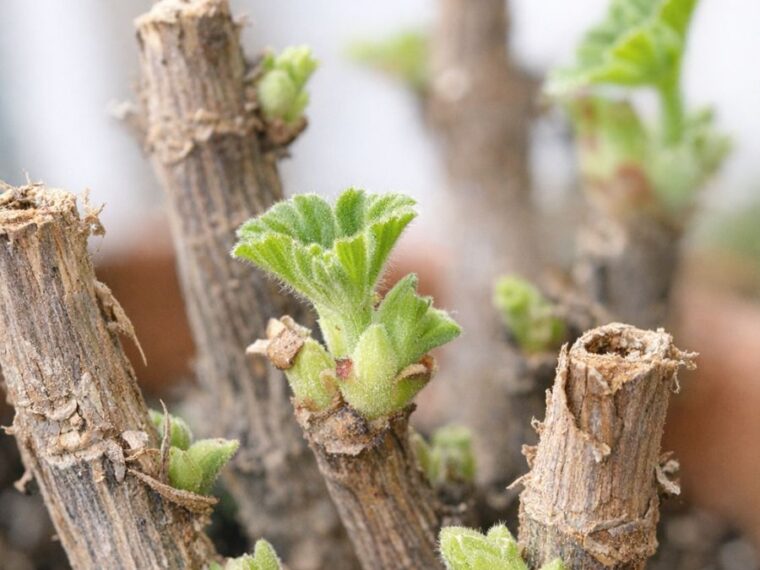
Once you’ve assessed your geraniums, it’s time to trim away any dead, diseased, or leggy growth. Use clean, sharp pruning shears to cut back stems to healthy tissue, usually just above a leaf node or where you see a hint of new growth. Remove any blackened or soft areas, as these can harbor disease.
Trimming not only removes damaged parts but also encourages bushier growth by allowing the plant to focus its energy on healthy sections. Aim to leave 4-6 inches of healthy stem on each plant, which will provide a solid foundation for new growth as the season progresses.
3. Refresh Tired Roots and Repot in Fresh Potting Mix
Geraniums benefit from a fresh start in rejuvenated soil. Carefully remove each plant from its pot and gently shake or wash off old soil from the roots. This process helps eliminate any lingering pests or diseases that may have been present in the old medium.
Choose a well-draining potting mix, enriched with a slow-release fertilizer to give your geraniums the nutrients they need. Repot the plants in containers slightly larger than their root ball, ensuring adequate space for growth. This fresh environment will help stimulate healthy root development.
4. Wake Plants Gently With the Right February Watering Routine
After months of dormancy, it’s crucial to reintroduce water gradually. Begin by watering your geraniums sparingly, allowing the soil to dry out slightly between waterings. Overwatering can lead to root rot, especially if the plants are not actively growing yet.
As February progresses and you notice signs of new growth, gradually increase the frequency and amount of water. Ensure the pots have proper drainage holes to prevent water from pooling at the bottom, which could also lead to root issues.
5. Give Them Light: From Dark Corners to Sunny Windowsills
Geraniums require plenty of light to thrive, so move them from their winter storage location to a bright, sunny windowsill. Ideally, they should receive at least 6 hours of direct sunlight daily. If natural light is insufficient, consider supplementing with grow lights to encourage robust growth.
Monitor the temperature near the windowsill, as cold drafts can damage the plants. A consistent temperature in the range of 65-75°F during the day and slightly cooler at night is ideal for waking your geraniums gently.
6. Start Feeding Slowly to Rebuild Strength
As your geraniums begin to show signs of new growth, start feeding them with a balanced, water-soluble fertilizer. Begin with a diluted solution, about half the recommended strength, to avoid overwhelming the plants.
Apply the fertilizer every 4-6 weeks, gradually increasing the concentration as the plants grow stronger. This feeding schedule helps replenish nutrients and supports the development of vibrant foliage and blooms.
7. Control Temperature and Humidity for a Smooth Transition
Maintaining a stable environment is key to helping your geraniums transition smoothly from dormancy. Avoid placing them near heating vents or drafty windows, as fluctuations in temperature and humidity can stress the plants.
Ideally, the humidity level should be moderate, around 40-50%. If the air in your home is dry, consider using a humidifier or placing a tray of water near the plants to increase humidity levels. This careful control of temperature and humidity will aid in fostering healthy growth.
8. Check for Pests and Fungal Problems Before They Spread
Before reintroducing your geraniums to the outdoors, it’s essential to inspect for pests and fungal issues. Look under leaves and around the stem for common pests such as aphids, spider mites, or whiteflies. If detected, treat immediately with insecticidal soap or neem oil.
Fungal problems can manifest as spots or discoloration on leaves. Remove affected leaves and consider applying a fungicide if the problem persists. Regular monitoring and prompt action will help prevent these issues from spreading and affecting your plant’s health.
9. Pinch and Shape Plants for Bushier Spring Growth
To encourage bushier growth and more blooms, pinch back the tips of your geraniums. Use your fingers or scissors to remove the growing tips of each stem, just above a node where leaves meet the stem. This process stimulates lateral growth, leading to a fuller plant.
Regular pinching throughout the spring will help maintain a compact shape and encourage more flower production. This simple step can make a significant difference in the overall appearance and vigor of your geraniums.
10. Gradually Harden Off Geraniums for Outdoor Life Again
As the risk of frost passes and temperatures rise, begin acclimating your geraniums to outdoor conditions. Start by placing them outside in a sheltered, partially shaded location for a few hours each day, gradually increasing their exposure to sunlight and wind.
Over the course of 7-10 days, increase the time they spend outdoors and eventually move them to their permanent location in the garden. This gradual hardening off process helps prevent shock and prepares the plants for a successful transition to outdoor life, ensuring a vibrant display throughout the growing season.