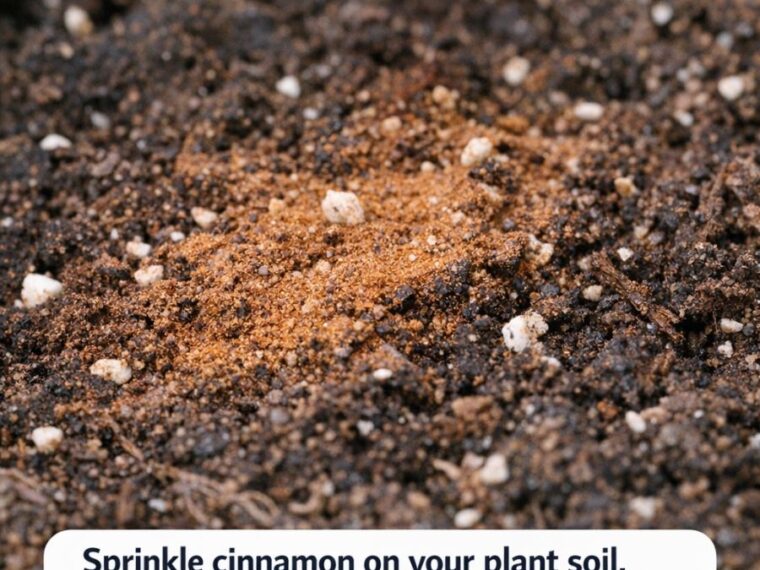
Cinnamon, a spice commonly found in our kitchens, has been increasingly used by gardeners and plant enthusiasts as a natural remedy for various plant issues. With its antifungal properties and pleasant aroma, cinnamon is becoming a popular alternative to chemical treatments in plant care. But what are the actual effects of sprinkling cinnamon on your plant soil?
In this article, we delve into the ten effects people commonly talk about when using cinnamon in plant care. From its role in fighting fungal diseases to its potential to deter pests, we explore the science and anecdotes behind each claim. Whether you’re a seasoned gardener or a curious plant parent, understanding these effects can help you decide if cinnamon is a suitable addition to your plant care routine.
1. Cinnamon As a Natural Antifungal for Houseplants
Cinnamon is renowned for its antifungal properties, primarily due to the presence of cinnamaldehyde, a compound effective against fungi. When sprinkled on plant soil, cinnamon can help combat common fungal pathogens that thrive in moist conditions. Many gardeners recommend using a teaspoon of ground cinnamon per plant, gently raked into the top layer of soil to inhibit fungal growth.
Research has shown that cinnamaldehyde can reduce the incidence of fungi such as Fusarium and Pythium, which are responsible for root rot and other plant diseases. While cinnamon is not a replacement for good drainage and airflow, it serves as a supplementary measure to protect plants from fungal infections.
2. Repelling Fungus Gnats and Other Annoying Soil Pests
Fungus gnats are a common nuisance for indoor plants, thriving in the moist environment of houseplant soil. Cinnamon’s strong scent is said to deter these pests, as well as other soil-dwelling insects. By applying a light dusting of cinnamon on the soil surface, you can create a barrier that repels these unwelcome visitors.
Though scientific evidence is limited, anecdotal reports suggest that cinnamon’s volatile oils may interfere with the sensory pathways of these pests, deterring them from laying eggs in the soil. For effective results, reapply the cinnamon every few weeks or after watering to maintain its potency.
3. Helping Seedlings Resist Damping-Off Disease
Damping-off disease is a common issue that affects seedlings, causing them to rot at the base and collapse. Cinnamon’s antifungal properties can offer a layer of protection for young plants. Sprinkling a small amount of cinnamon on the surface of seed-starting mix can help prevent this disease by inhibiting the growth of the fungi responsible.
When sowing seeds, mix a quarter teaspoon of cinnamon per cup of potting mix to incorporate its protective benefits. This simple addition can mean the difference between a thriving batch of seedlings and a disappointing loss.
4. Using Cinnamon to Treat Minor Stem and Root Rot
Cinnamon can be used as an emergency treatment for plants showing early signs of stem or root rot. If you notice soft, discolored patches on stems or roots, apply cinnamon to the affected areas to help dry out the rot and prevent further fungal infection.
To treat root rot, remove the plant from its pot, trim away any mushy roots, and dust the remaining healthy roots with cinnamon before repotting in fresh soil. For stem issues, apply cinnamon directly to the wound and allow it to sit for a few hours before watering the plant again.
5. Cinnamon as a Wound Sealer on Pruned or Damaged Stems
When pruning plants or dealing with broken stems, it’s important to seal the wounds to prevent infection. Cinnamon acts as a natural wound sealant, thanks to its antifungal properties. After pruning, apply cinnamon to the cut surface to create a protective barrier.
This practice not only helps prevent fungal infections but also aids in the faster healing of the plant tissue. For best results, use a clean, sharp tool for pruning to minimize the initial damage, and then apply cinnamon liberally to the wound.
6. Discouraging Ants and Other Crawling Insects in Pots
Ants can be a persistent problem in potted plants, often indicating the presence of aphids or other pests. Cinnamon can disrupt an ant’s scent trail, making it harder for them to navigate. By sprinkling cinnamon around the base of your pots, you create a natural deterrent for ants and other crawling insects.
While cinnamon can deter ants, it is essential to address the root cause of their presence, such as excess moisture or pest infestations. Regularly monitoring and maintaining plant health will reduce the likelihood of ant problems.
7. Potential Growth Boost: Myth, Misunderstanding, or Real Effect?
Some gardeners claim that cinnamon can boost plant growth, attributing this to its antifungal and pest-repelling properties. However, there is limited scientific evidence to support significant growth enhancement directly from cinnamon use.
While cinnamon can indirectly support growth by maintaining healthier plants free of pests and diseases, it should not be relied upon as a primary growth stimulant. Ensuring proper nutrition, light, and water will have a more pronounced impact on plant growth.
8. Does Cinnamon Prevent Mold on Soil and Terrariums?
Mold growth on soil and in terrariums is often a result of high humidity and poor airflow. Cinnamon, with its antifungal properties, is said to help prevent mold formation. A light dusting on the soil surface can inhibit mold spores from developing.
While cinnamon can be effective in reducing mold, it should be used alongside other mold-prevention strategies, such as reducing humidity levels, improving ventilation, and avoiding overwatering.
9. How to Apply Cinnamon Safely Without Harming Plants
When using cinnamon on plants, moderation is key. Excessive application can dry out the soil or overwhelm sensitive plants. A light sprinkling of cinnamon, such as a teaspoon per pot or a dusting on seedlings, is sufficient.
It is also important to ensure the cinnamon used is pure and free from any added sugars or flavors. Organic ground cinnamon is the best choice for plant care applications.
10. When to Skip the Cinnamon and Use Other Plant Care Methods Instead
Cinnamon is not a cure-all and should be used judiciously. In cases of severe pest infestations or widespread fungal infections, more aggressive treatment methods may be necessary. Chemical fungicides or insecticides might be required to save affected plants
Additionally, if a plant is already stressed or showing signs of nutrient deficiency, it’s essential to address those issues directly rather than relying on cinnamon. Proper plant care practices, such as appropriate watering, fertilization, and pruning, should always be prioritized.