As the winter months approach, many people start looking for ways to bring a sense of calm and warmth into their homes. One popular method is by keeping indoor plants, and among them, lavender stands out for its multifunctional benefits. Known for its soothing scent and attractive appearance, lavender can transform indoor spaces during the colder months of the year.
While typically associated with outdoor gardens, lavender can thrive indoors if cared for properly. Beyond its aesthetic appeal, bringing lavender inside during winter can have a variety of effects on your living space and wellbeing. Here, we explore ten noticeable changes people often experience when they introduce this fragrant plant into their homes.
1. A Calming Scent That Softens Winter Stress
Lavender is renowned for its calming properties, largely attributed to its essential oils, which contain linalool and linalyl acetate. These compounds are released into the air, providing a natural way to reduce stress and anxiety. Studies have shown that inhaling lavender aroma can decrease heart rate and lower blood pressure, contributing to a more relaxed state.
During the winter, when stress levels can rise due to the holiday season or the isolation of shorter days, having a lavender plant indoors offers a gentle reminder to slow down and breathe. The continuous release of its soothing fragrance helps create a tranquil environment, making it easier to unwind after a long day.
2. Subtle Mood Lift And Help With Seasonal Blues
The winter months are notorious for causing seasonal affective disorder (SAD), a type of depression related to changes in seasons. Lavender’s scent is known to have mild antidepressant effects, which can help lift your mood during gloomy days. Research has indicated that lavender aromatherapy can improve overall mood and increase feelings of contentment.
By keeping a lavender plant indoors, you might notice a subtle enhancement in your mood. The plant serves as a natural remedy for combating the winter blues, providing a gentle boost to your mental well-being without the need for medication.
3. Noticeably Better Sleep Quality For Many People
Lavender has long been associated with improved sleep quality. Its calming effects extend to the nighttime, where the aroma can help promote deeper, more restful sleep. A study published in the Journal of Alternative and Complementary Medicine found that lavender oil improved sleep quality in participants with insomnia.
By placing a lavender plant in your bedroom, you may find it easier to fall asleep and stay asleep through the night. The gentle fragrance acts as a natural sleep aid, reducing restlessness and nighttime awakenings.
4. A Natural Air Freshener In Stuffy, Closed-Up Rooms
During winter, homes tend to be closed up to conserve heat, leading to stuffy indoor air. Lavender acts as a natural air freshener, releasing its pleasant scent to combat stale or musty odors. Unlike synthetic air fresheners, lavender doesn’t introduce harmful chemicals into your home.
The presence of a lavender plant can keep your living spaces smelling fresh and inviting. Its fragrance is not overpowering, making it ideal for those who prefer a subtle, natural aroma throughout their home.
5. Humidity And Heating Can Change How Lavender Smells
Indoor heating can drastically reduce humidity levels, which can alter the way lavender smells. In drier conditions, the essential oils in lavender may become more concentrated, intensifying its scent. Conversely, higher humidity can dilute the fragrance, making it less noticeable.
To maintain a balanced aroma, consider using a humidifier in the room where your lavender plant is located. This can help preserve the plant’s natural fragrance and ensure it remains a pleasant addition to your indoor environment.
6. Fewer Bugs Indoors Thanks To Lavender’s Repellent Effect
Lavender is a natural insect repellent, particularly effective against moths, fleas, flies, and mosquitoes. By keeping a lavender plant indoors, you might notice a decrease in the presence of these pests. The plant’s essential oils act as a deterrent, making your home less inviting to unwanted insects.
This is especially beneficial during the winter months when certain pests seek shelter indoors. Lavender provides an eco-friendly alternative to chemical repellents, helping to keep your home bug-free naturally.
7. A Touch Of Green That Makes Rooms Feel More Alive
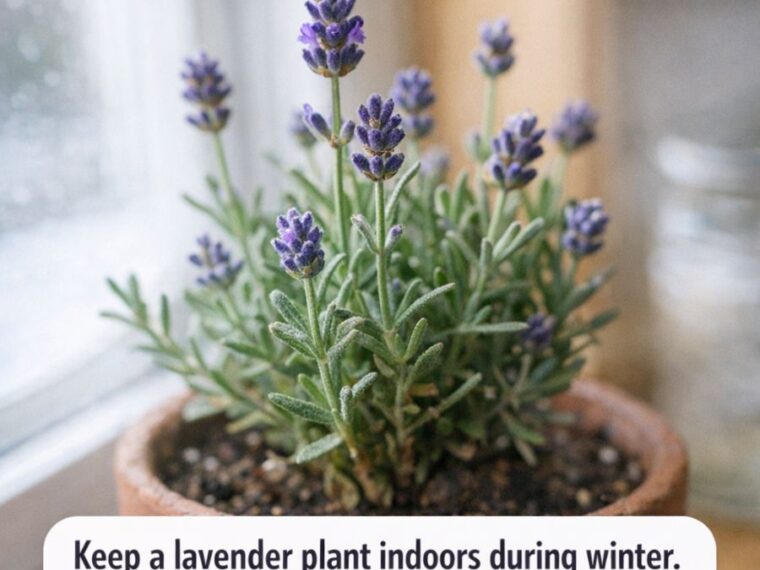
In the midst of winter’s gray and white palette, a lavender plant adds a vibrant touch of green to your home. Its lush foliage and delicate purple flowers bring a sense of vitality and life to any room, counteracting the bleakness of the season.
The visual appeal of a lavender plant can enhance the ambiance of your interior spaces, making them feel more welcoming and alive. It serves as a reminder of the spring to come and the renewal of life, brightening your home and spirits.
8. Surprising Maintenance Challenges In Dry Indoor Air
While lavender is relatively easy to care for, it can present some challenges indoors, particularly in dry winter air. Lavender prefers well-drained soil and can suffer from overwatering, which is a common issue when humidity is low. Additionally, the plant may require more frequent misting to keep its foliage healthy.
To ensure your lavender plant thrives, it’s important to monitor the moisture levels of the soil and adjust your watering schedule accordingly. Ensuring adequate sunlight and occasional pruning will also help maintain its health and appearance.
9. Potential Allergy Or Sensitivity Reactions In Some Households
While many people enjoy the scent of lavender, some individuals may experience allergic reactions or sensitivities. Symptoms can include headaches, respiratory issues, or skin irritation. It’s important to be aware of any adverse reactions among household members, especially children and pets.
If you notice any discomfort when the lavender plant is indoors, consider relocating it to a less frequented area or opting for alternative plants that are less likely to cause allergies.
10. A Small Daily Ritual That Encourages Mindfulness
Caring for a lavender plant can become a simple yet meaningful daily ritual. Taking the time to water, prune, and care for the plant encourages mindfulness and a connection to nature. This small act can provide a sense of purpose and a calming routine during the often hectic winter months
The presence of a lavender plant serves as a reminder to pause and appreciate the little things. It offers a moment of tranquility and reflection, helping to cultivate a mindful mindset that can enhance overall well-being.