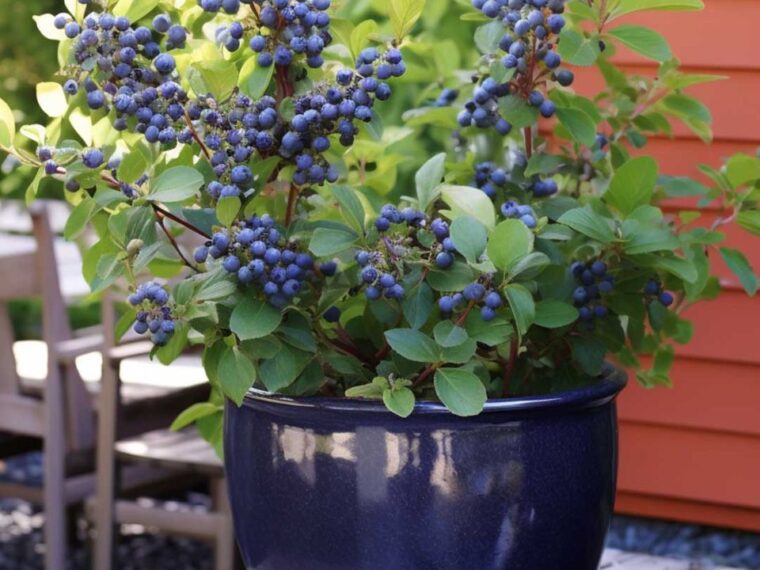
Unlock the secrets to cultivating a thriving blueberry harvest with expert pruning techniques. Pruning is a pivotal aspect of blueberry cultivation that holds the key to healthier plants and a bountiful yield. This comprehensive guide delves into the nuances of when and how to prune your blueberry bushes, equipping you with the knowledge to nurture robust growth and maximize fruit production.
As the late winter frost gives way to the early stirrings of spring, blueberry bushes beckon for careful attention. Proper pruning can help you achieve a larger harvest of high-quality berries. Here’s a guide on how and when to prune blueberry bushes for the best results:
1. Timing:
The best time to prune blueberry bushes is during the late winter or early spring while the plants are still dormant, before new growth begins. In most regions, this falls between late February and early March. Pruning during this period minimizes stress on the plants and allows them to allocate energy toward new growth and fruit production.
2. Tools:
You’ll need a few basic tools for pruning blueberry bushes:
Sharp pruning shears or secateurs
Loppers for thicker branches
Gloves to protect your hands from thorns and rough bark
3. Pruning Techniques:
There are two main types of pruning for blueberry bushes: maintenance pruning and renewal pruning.
Maintenance Pruning:
This involves removing dead, damaged, or diseased branches, as well as thinning out overcrowded growth. Here’s how to do it:
Remove any dead, weak, or spindly branches, as well as those showing signs of disease or pest damage.
Thin out branches that are crossing each other or growing inwards, as this can inhibit air circulation and sunlight penetration.
Aim to create an open and balanced canopy by removing some of the older branches from the center of the plant. This encourages better airflow and sunlight distribution.
Renewal Pruning:
Every few years, it’s a good idea to perform renewal pruning to encourage vigorous new growth and maintain the plant’s productivity. Here’s how:
Identify the oldest and least productive canes (stems) in the plant.
Cut these canes down to the base, leaving behind 4-6 of the healthiest and most productive canes. These can be of varying ages to ensure consistent fruiting.
If the entire bush is old and unproductive, you can perform a more aggressive renewal pruning by cutting all canes down to the base. This might result in a year without much fruit, but the bush will rejuvenate.
4. Additional Tips:
After pruning, consider applying a balanced fertilizer according to the recommendations for your specific blueberry variety.
Mulch around the base of the plants to help retain moisture, suppress weeds, and regulate soil temperature
Water the plants adequately, especially during dry spells, to ensure optimal growth and fruit development.