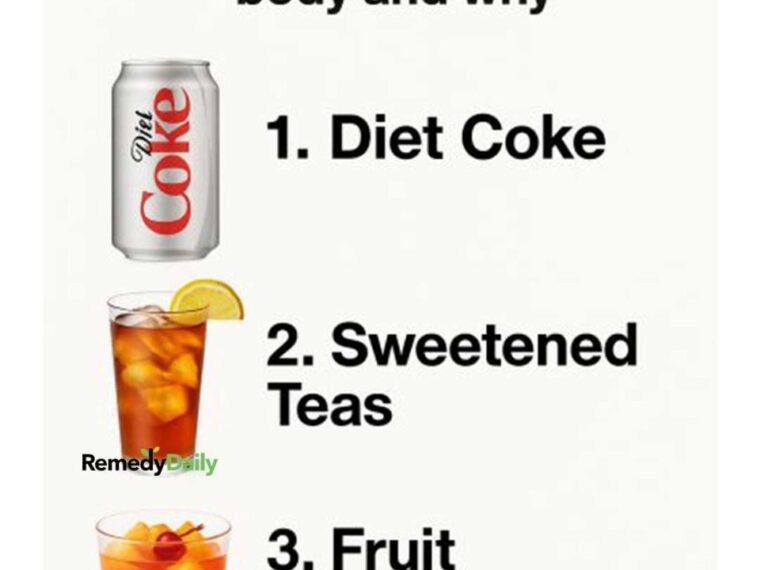
In today’s fast-paced world, beverages are often our go-to source of refreshment and energy. However, not all drinks are created equal when it comes to health benefits. Many popular beverages are laden with sugars, artificial ingredients, and empty calories, posing significant risks to our health. Understanding the detrimental effects of these drinks can help us make better choices.
While some drinks are marketed as healthy and refreshing, they may hide ingredients that contribute to weight gain, increased risk of chronic diseases, and other health issues. This article delves into the ten worst drinks for your body and explains why they deserve a spot on your ‘avoid’ list.
1. Diet Sodas: The Deceptive Choice
Diet sodas are often advertised as a healthier alternative to regular sodas, primarily because they contain zero calories and no sugar. However, these drinks are packed with artificial sweeteners like aspartame, sucralose, and saccharin, which can trick your body into craving more sugar and sweet foods. Studies have shown that consuming diet sodas regularly can lead to weight gain, metabolic syndrome, and an increased risk of type 2 diabetes.
Furthermore, the acidity in diet sodas can erode tooth enamel over time, leading to dental issues. Despite the absence of calories, the negative impacts on metabolism and appetite regulation make diet sodas a deceptive choice for those looking to maintain or lose weight.
2. Sweetened Teas: Sugar in Disguise
Pre-packaged sweetened teas, while seemingly healthy due to their tea content, are often loaded with added sugars. A single 16-ounce bottle of sweetened iced tea can contain up to 45 grams of sugar, equivalent to 11 teaspoons. This high sugar content can contribute to weight gain, increased risk of heart disease, and type 2 diabetes.
The antioxidants present in tea, such as flavonoids, are beneficial for health, but the negative effects of the added sugars can outweigh these benefits. Opting for unsweetened or lightly sweetened tea with natural sweeteners like honey can be a healthier choice.
3. Fruit Cocktails: The Hidden Sugar Bombs
Fruit cocktails, often perceived as healthy due to their fruit content, can be misleading. These drinks are typically made from fruit concentrates and are sweetened with high fructose corn syrup or other sugars. A can of fruit cocktail can contain as much as 30 grams of sugar per serving, contributing to daily sugar intake significantly.
While fruit provides essential vitamins and minerals, the processing involved in making fruit cocktails often strips away much of the fiber, leaving just the sugars. Consuming whole fruits or making homemade smoothies with fresh ingredients can provide more nutritional benefits without the excessive sugar.
4. Energy Drinks: The Caffeine Overload
Energy drinks are popular for their ability to provide a quick boost of energy, but they come with a heavy dose of caffeine and sugar. A typical 8-ounce energy drink can contain up to 80 milligrams of caffeine and 27 grams of sugar. Excessive caffeine intake can lead to increased heart rate, high blood pressure, and anxiety.
In addition to caffeine, energy drinks often contain other stimulants like guarana and taurine, which can amplify their effects. Regular consumption can lead to dependency and pose serious health risks, particularly for adolescents and individuals with heart conditions.
5. Sports Drinks: More Than Just Electrolytes
Sports drinks are marketed as a way to replenish electrolytes after intense physical activity, but they are often packed with sugars and artificial flavors. A standard 20-ounce bottle can contain 34 grams of sugar and around 150 calories. For the average person who exercises moderately, the extra sugars and calories can outweigh the benefits of the electrolytes.
Unless you’re engaging in prolonged, intense exercise, water is usually sufficient for hydration. If you do need to replace electrolytes, look for options that are lower in sugar or consider making your own with natural ingredients.
6. Flavored Coffees: The Calorie Culprits
Flavored coffees, such as lattes and frappuccinos, are often loaded with sugar, cream, and syrups. A medium-sized flavored coffee can contain up to 400 calories and over 50 grams of sugar, which is equivalent to the sugar content of a can of soda.
These beverages can quickly contribute to daily calorie intake and lead to weight gain if consumed regularly. Opting for black coffee or using natural flavorings such as cinnamon or vanilla can help reduce the calorie load while still allowing you to enjoy your coffee.
7. Store-Bought Smoothies: The Sweet Trap
Store-bought smoothies often advertise themselves as healthy due to their fruit content, but they can be deceptive. These smoothies can contain added sugars, fruit juices, and even ice cream to enhance flavor, leading to a calorie count of up to 600 per serving.
Making smoothies at home allows you to control the ingredients and portion sizes, ensuring you’re getting the nutrients without the added sugars. Use whole fruits, leafy greens, and a protein source like yogurt or nuts to make a balanced and nutritious smoothie.
8. Packaged Lemonades: The Sugary Refreshers
Packaged lemonades are a popular summer drink but are often high in sugar. A 12-ounce serving can contain up to 30 grams of sugar, which is nearly equivalent to the sugar content in a can of soda.
While lemons themselves are rich in vitamin C and other nutrients, the processed nature of packaged lemonades means that they offer little nutritional value aside from their sugar content. Opting for homemade lemonade with fresh lemons and a natural sweetener can provide a healthier alternative.
9. Alcoholic Cocktails: High in Calories, Low in Nutrition
Alcoholic cocktails are notorious for their high calorie content due to the combination of alcohol, sugary mixers, and syrups. A single cocktail can contain anywhere from 200 to 600 calories, making them a significant source of empty calories.
The alcohol content in cocktails can also lead to dehydration and impaired judgment, leading to overconsumption of both drinks and food. For a lighter option, consider spirits mixed with club soda or sparkling water with a splash of citrus juice.
10. Pre-Mixed Iced Coffees: More Sugar Than You Think
Pre-mixed iced coffees available in stores are often sweetened and creamy, containing high amounts of sugar and calories. A 13.7-ounce bottle can have up to 29 grams of sugar and 250 calories.
These beverages can be a convenient option but come with the downside of added sugars and preservatives. Brewing your own iced coffee at home and controlling the amount of sugar and cream added can provide a healthier alternative.
11. Flavored Water: Not as Healthy as They Seem
Flavored waters are marketed as a healthier alternative to sugary drinks, but many contain artificial sweeteners and flavors. Some brands add sugar or sugar substitutes, which can lead to increased cravings for sweet foods
While they may seem like a good alternative to plain water, opting for naturally flavored water with real fruit or herbs like mint can provide the refreshing taste without added sugars or artificial ingredients.