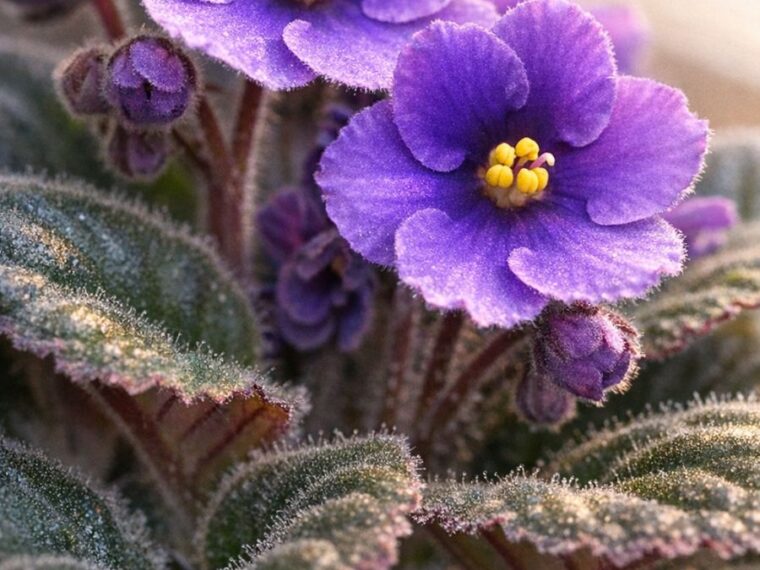
African violets are beloved for their vibrant, velvety blooms and ability to brighten any indoor space. However, as winter approaches, your once-flourishing plants might seem to stall, leaving you wondering what went wrong. The good news is that with a little care and attention, you can revive your African violets and encourage them to bloom even in the coldest months.
Understanding the specific needs of African violets during winter is crucial to ensure their health and vitality. These sensitive plants require a balanced environment to thrive, and changes in temperature, light, and humidity can significantly impact their bloom cycle. By tailoring your care routine to meet their winter needs, you can enjoy their stunning flowers all year round.
1. Diagnose Why Winter Has Stalled Your African Violet Blooms
Before you can effectively revive your African violets, it’s important to identify the specific issues that are preventing them from blooming. Common winter challenges include inadequate light, low humidity, and cooler temperatures that slow down their growth cycle.
Start by examining the basic conditions in which your plants are growing. Are they receiving enough light? African violets require bright, indirect light to produce blooms. Assess the temperature and humidity levels in your home, as these factors heavily influence the plant’s ability to flower.
2. Give Them the Right Winter Light (Without Burning the Leaves)
During winter, natural daylight is often insufficient for African violets. Position your plants in a spot where they can receive bright but indirect light, such as near a north or east-facing window. Be cautious of direct sunlight, which can scorch their leaves.
If natural light is inadequate, consider supplementing with artificial grow lights. Fluorescent lights positioned about 12 inches above the plants can provide the necessary illumination without the risk of overheating.
3. Fine-Tune Indoor Temperatures and Avoid Drafty Windowsills
African violets prefer stable temperatures between 65°F and 75°F. During winter, it’s crucial to maintain this range to prevent stress. Avoid placing your plants near drafty windowsills or heating vents, as sudden temperature fluctuations can be detrimental.
Consider using a thermometer to monitor the temperature in the area where your violets are placed. If necessary, move them to a more stable environment to ensure consistent conditions.
4. Master Winter Watering: Moist, Never Soggy
Proper watering is key to keeping African violets healthy. During winter, the reduced light and cooler temperatures mean that soil dries out more slowly. Check the soil moisture regularly, and water only when the top inch feels dry to the touch.
Ensure that the pots have good drainage to prevent water from accumulating, which can lead to root rot. Use room-temperature water to avoid shocking the roots.
5. Use the Wick-Watering Hack for Consistent Moisture
Wick-watering is an effective method to provide consistent moisture to African violets. This technique involves placing a wick in the soil that draws water from a reservoir below. This ensures the soil remains evenly moist without the risk of overwatering.
To set up a wick-watering system, use a nylon cord or appropriate material as a wick, and ensure it runs from the potting mix through the drainage hole into a water reservoir.
6. Boost Humidity Safely With Trays, Pebbles, and Grouping
African violets thrive in environments with 50% humidity or higher. During winter, indoor humidity often drops, so it’s important to increase it around your plants.
Place your plants on trays filled with pebbles and water, ensuring the pots are above the water level. Alternatively, group your plants together to create a microclimate that naturally retains more humidity.
7. Feed Lightly but Regularly With Bloom-Boosting Fertilizer
Even during winter, African violets benefit from regular feeding. Use a balanced fertilizer formulated for blooming plants, diluted to half strength. Apply it every 4-6 weeks to encourage flower production without overwhelming the plant.
Be cautious not to over-fertilize, as this can lead to salt buildup in the soil, which can harm the plant’s roots and impede blooming.
8. Repot Tired Plants and Refresh the Soil Mix
If your African violets are struggling, it might be time to repot them. Refreshing the soil mix can provide the necessary nutrients and improve drainage. Choose a potting mix specifically formulated for African violets, which typically contains peat moss, vermiculite, and perlite.
Carefully remove the plant from its current pot, gently shake off the old soil, and trim any dead roots before placing it in fresh soil. Repotting is best done in early spring, but if your plant appears unhealthy, it might be necessary to do it sooner.
9. Prune, Groom, and Remove Old Blooms to Trigger New Growth
Regular grooming helps keep African violets healthy and encourages new growth. Remove any dead or yellowing leaves, and pinch off spent blooms. This not only tidies up the plant but also redirects energy towards new flower production.
Pruning should be done with clean, sharp scissors or pruning shears to prevent damage. Be gentle and avoid removing too much foliage at once.
10. Propagate Healthy Leaves to Rescue a Failing Plant
Propagation is an excellent way to salvage a struggling African violet. Select a healthy leaf and cut it with a 2-inch stem. Place the stem in a small pot with moist soil, ensuring it stays upright.
Cover the pot with a plastic bag or dome to create a humid environment, and place it in bright, indirect light. Within a few weeks, new plantlets should begin to form at the base of the leaf.
11. Fight Common Winter Pests and Fungal Problems Early
Winter can bring about pest issues like spider mites and fungal diseases such as powdery mildew. Regularly inspect your plants for signs of infestation, such as webbing or white powdery spots.
Use insecticidal soap or neem oil to treat pests, and increase air circulation to prevent fungal problems. Ensure plants are not overcrowded, which can exacerbate these issues.
12. Reset Their Daily Rhythm With a Simple Grow-Light Setup
If natural light is insufficient, a grow-light setup can help reset your African violets’ internal clocks. Use a timer to simulate natural daylight hours, providing 12-14 hours of light daily.
Position the grow lights 12 inches above the plants for optimal coverage, and adjust the height as necessary to prevent leaf burn. This steady light exposure can help jumpstart the blooming process.
13. Create a Stable Winter Care Routine So Blooms Return on Cue
Consistency is key to maintaining healthy African violets. Establish a routine that includes regular watering, feeding, and monitoring of environmental conditions
Document your care schedule and make adjustments as needed based on plant response. By providing a stable and predictable environment, you can ensure that your African violets continue to bloom beautifully even during the winter months.