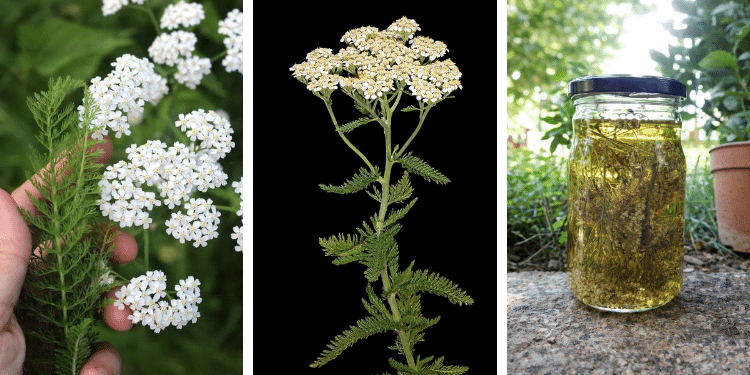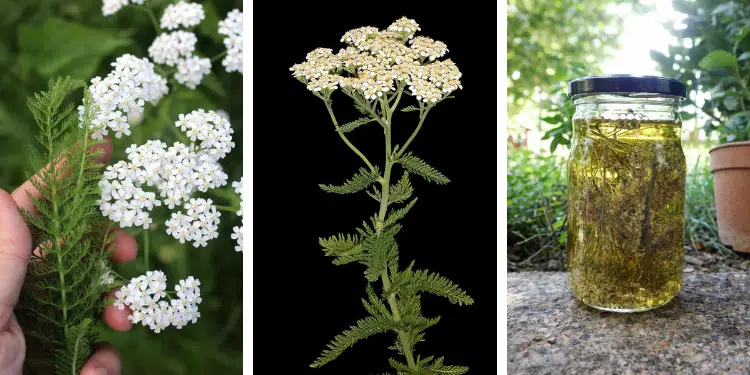
Yarrow (Achillea millefolium) is one of those plants whose reputation stretches far beyond the garden.
Long before it became a popular perennial for borders and wildflower meadows, yarrow earned a powerful name: the battlefield plant.
Soldiers carried it into war, healers relied on it in emergencies, and entire cultures trusted it when nothing else was available.
Today, yarrow is often grown for its feathery foliage and flat-topped flowers, but its deeper value is rarely discussed.
Understanding why yarrow was once essential on battlefields helps explain why it still deserves a place in modern gardens – not just as an ornamental, but as a resilient, multifunctional plant with a long history of practical use.
The Origins of Yarrow’s Battlefield Reputation
Yarrow’s association with warfare goes back thousands of years. Its scientific name, Achillea, is linked to Achilles, the legendary Greek warrior.
According to ancient texts, Achilles used yarrow to treat wounds suffered by his soldiers during the Trojan War.
While the story is mythological, it reflects real-world practices that were widespread across ancient civilizations.
Long before modern medicine, battlefield injuries were treated with whatever plants were available.
Yarrow stood out because it grew abundantly, worked quickly, and addressed one of the most immediate dangers of injury: uncontrolled bleeding.
For this reason, yarrow was often called:
- Soldier’s woundwort
- Nosebleed plant
- Bloodwort
- Herba militaris
These names weren’t symbolic. They described how the plant was actually used.
Why Yarrow Was So Valuable in Combat Situations
On ancient and medieval battlefields, death often came not from the wound itself, but from blood loss or infection. Yarrow was prized because it addressed both problems.
Fresh yarrow leaves were crushed and applied directly to wounds. The plant’s natural astringent compounds helped constrict blood vessels, slowing bleeding.
At the same time, its antimicrobial properties reduced the risk of infection in unsanitary conditions.
Yarrow was also easy to prepare. It didn’t require complex processing or tools. In urgent situations, soldiers could simply chew the leaves and pack them onto a wound or use dried yarrow carried in pouches.
This reliability is what earned yarrow its place alongside weapons and armor – it was a form of botanical first aid.
A Plant Trusted Across Cultures
Yarrow’s battlefield use wasn’t limited to ancient Greece. Independent traditions across the world recognized the same properties.
In medieval Europe, yarrow was a standard remedy in monastery gardens and field medicine. Roman soldiers carried it during campaigns.
Native American tribes used yarrow poultices and washes for skin injuries and inflammation. In traditional Chinese medicine, yarrow was valued not only for physical healing but also for its symbolic connection to balance and protection.
When different cultures discover the same plant uses independently, it’s usually because the plant’s effects are consistent and noticeable.
Beyond Wounds: Yarrow as a Whole-Body Support Herb
While yarrow’s role on the battlefield focused on external injuries, herbal traditions also recognized its internal benefits.
Yarrow teas and infusions were used to support circulation, regulate digestion, and help the body respond to stress or fever.
This versatility added to its value in difficult environments. A single plant could support the body inside and out, making it especially important in times when resources were scarce.
This adaptability is one reason yarrow survived centuries of use and wasn’t replaced until modern pharmaceuticals emerged.
How Yarrow Earned Its Reputation for Resilience
Yarrow’s medicinal reputation is closely tied to its growth habits. It thrives in poor soil, tolerates drought, and spreads easily. On battlefields, roadsides, and trampled land, yarrow often grew where more delicate plants failed.
This toughness made it dependable. Healers didn’t have to search forests or special locations to find it. Yarrow was often growing right where people needed it most.
That same resilience is one of the reasons modern gardeners sometimes overlook it, assuming a plant so hardy can’t be special.
In reality, its ability to survive under pressure is exactly what made it so valuable historically.
Why Modern Gardens Still Need Yarrow
While most gardeners no longer rely on plants for battlefield medicine, yarrow’s usefulness hasn’t disappeared. Its role has simply shifted.
In today’s gardens, yarrow offers a rare combination of beauty, ecological support, and practicality. It bridges the gap between ornamental plants and functional herbs in a way few perennials can.
A Powerful Plant for Pollinators
One of yarrow’s most important modern roles is supporting beneficial insects. Its clusters of tiny flowers provide easy access to nectar and pollen for bees, butterflies, hoverflies, and other pollinators.
Yarrow also attracts predatory insects like ladybugs and lacewings, which help control aphids and other pests naturally. This makes it especially valuable in organic and low-intervention gardens.
By planting yarrow, gardeners create a living support system that strengthens the entire ecosystem.
Natural Support for Garden Health
Yarrow has long been associated with improving soil and plant health. Its deep root system helps break up compacted soil and draw nutrients upward. As leaves decompose, they return those nutrients to the surface, benefiting nearby plants.
Some gardeners use yarrow in compost or plant-based garden teas, believing it enhances microbial activity.
Whether used directly or simply allowed to grow naturally, yarrow contributes to healthier garden systems.
This quiet support mirrors the role it once played in human survival – working in the background, strengthening what surrounds it.
Drought Tolerance and Climate Resilience
As climate conditions become less predictable, resilient plants are more valuable than ever. Yarrow requires minimal watering once established and tolerates heat, wind, and poor soil.
For gardeners dealing with dry summers, water restrictions, or low-maintenance landscapes, yarrow offers reliable performance without constant care.
Its ability to thrive where other plants struggle is not a drawback – it’s a strength that aligns perfectly with modern gardening needs.
Yarrow’s Place in Medicinal Gardens Today
Although it’s no longer carried into battle, yarrow remains a staple in many medicinal and herb gardens. Herbalists still use it in infused oils, salves, and teas, especially for skin support and circulatory balance.
Growing yarrow at home ensures access to fresh, clean plant material and keeps traditional knowledge alive.
Even gardeners who don’t actively use herbs often appreciate knowing that the plants around them once played vital roles in human history.
Aesthetic Value Without Fragility
From a design perspective, yarrow offers soft, fern-like foliage and long-lasting blooms that range from white and yellow to pink, red, and deep coral.
It pairs well with grasses, lavender, echinacea, and other meadow-style plants.
Unlike many ornamentals, yarrow doesn’t demand constant attention. It looks natural rather than manicured, which suits modern preferences for relaxed, wildlife-friendly gardens.
Its beauty comes without fragility – an echo of its battlefield past.
Why Yarrow Fell Out of Favor (and Why It’s Returning)
Yarrow didn’t disappear because it stopped being useful. It faded as industrial medicine and ornamental gardening shifted priorities toward uniformity and control.
Today, interest is returning to plants that offer resilience, ecological value, and historical significance. Yarrow fits perfectly into this renewed appreciation for plants that do more than look good.
Gardeners are rediscovering that the most valuable plants are often the ones that ask little and give much.
Growing Yarrow With Intention
Planting yarrow isn’t just a gardening decision – it’s a way of reconnecting with centuries of plant knowledge.
Whether grown for pollinators, resilience, herbal use, or simple beauty, yarrow earns its place without demanding attention.
Once established, it becomes a quiet anchor in the garden, returning year after year and supporting life in ways that aren’t always immediately visible.
Yarrow was called a battlefield plant because it saved lives when nothing else could. It earned that reputation through reliability, resilience, and versatility.
Those same qualities make it just as valuable today – though the battles have changed.